





With the 2026 FIFA World Cup set to be hosted across the United States, Canada, and Mexico, you’re facing the largest tournament format in history-48 teams competing for glory. You’ll see new qualifying pathways, expanded group stages, and key match dates stretching from June to July. This is your definitive guide to understanding every major change and what it means for fans and teams alike.
The Grand Expansion: Forty-Eight Nations
A New Era in World Cup History
You’re witnessing a historic shift as FIFA officially expands the World Cup to 48 participating nations in 2026. This isn’t just a minor adjustment-it’s the most significant structural change since 1998, when the tournament grew to 32 teams. The decision reflects global football’s evolving dynamics and opens doors for countries that have long been on the fringes of qualification. For the first time, nations from underrepresented confederations will have a more realistic shot at competing on the sport’s grandest stage.
How the Qualification Process Adapts
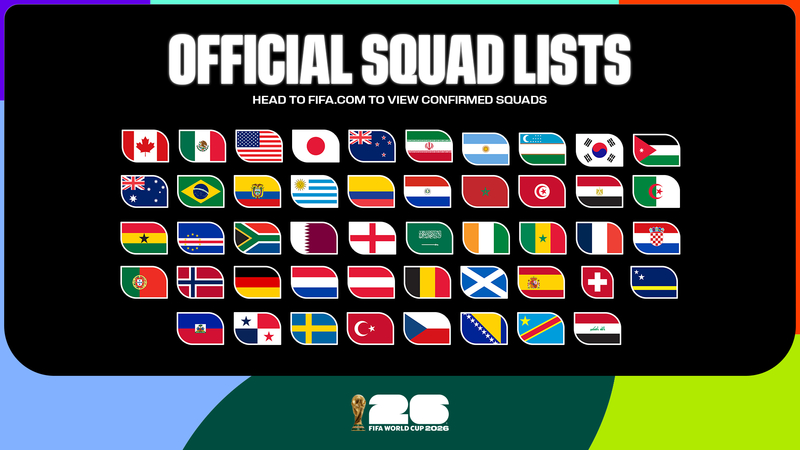
Expansion means more slots across all continental federations, and you’ll see increased representation from Africa, Asia, and North and Central America. Africa gains nine berths, Asia gets eight, and CONCACAF secures three automatic spots plus the host nation. Europe still commands the largest share with 16 places, while Oceania earns its first guaranteed spot-ending years of playoff uncertainty. South America’s six automatic berths highlight its continued strength, though one team will face a playoff for a seventh chance. This redistribution balances competitive fairness with FIFA’s push for inclusivity.
The Risks of Diluted Competition
Not every change comes without risk. Critics argue that including more teams could dilute the quality of play, especially in the early group stages. You may see mismatches between elite footballing nations and debutants still building infrastructure and experience. However, FIFA counters that exposure to high-level competition accelerates development. The real test will be whether emerging teams can adapt quickly or if dominant powers will run up scores in lopsided fixtures.
A Broader Platform for Global Growth
For you as a fan, this expansion means more stories, more underdog moments, and more nations dreaming of glory. Countries like Moldova, Namibia, or Haiti could, for the first time, appear on your TV screens in a World Cup match. The inclusion of first-time qualifiers adds emotional depth and unpredictability to the tournament. While the competition may stretch further, the global footprint of football grows stronger-uniting more cultures, languages, and passions under one event.
Three Nations, One Pitch: The Host Cities
Where the World Will Gather
You’ll witness history unfold across 16 dynamic host cities spread through the United States, Canada, and Mexico-the first time the FIFA World Cup will be hosted by three nations. Each city brings its own culture, energy, and football passion, creating a tournament experience unlike any before. The unprecedented tri-nation format means more fans, more venues, and more opportunities to experience live World Cup football, but it also introduces complex travel logistics for teams and supporters alike.
Iconic Stadiums, Unique Challenges
Some of the most famous stadiums in North America will host matches, from Mexico City’s legendary Estadio Azteca to New York/New Jersey’s MetLife Stadium. Estadio Azteca will become the first stadium in history to host games in three different men’s World Cups, a testament to its enduring legacy. Yet not every venue is without controversy-concerns over extreme heat in certain locations, especially during summer afternoons, could impact player safety and match conditions.
North American Unity on Display
Your journey through the host cities will reflect the diversity and unity of the continent. Cities like Vancouver, Guadalajara, and Atlanta will showcase local flavor while maintaining world-class infrastructure. The inclusion of three Canadian cities marks the nation’s largest-ever role in a FIFA tournament, signaling a major step forward for football’s growth in the country. With fan zones, cultural events, and public viewing areas planned in each location, the tournament aims to bring communities together beyond the stadium walls.
Travel and Accessibility Considerations
Getting from one host city to another will require careful planning. While major hubs like Los Angeles, Dallas, and Toronto offer strong international connections, others may pose challenges for overseas visitors due to limited direct flights or accommodation shortages. Peak demand could drive prices to record highs, especially during knockout rounds. You’ll need to book early and consider regional clusters to make the most of your experience without exhausting your budget or stamina.
The Calendar of the Beautiful Game
Kickoff and Tournament Duration
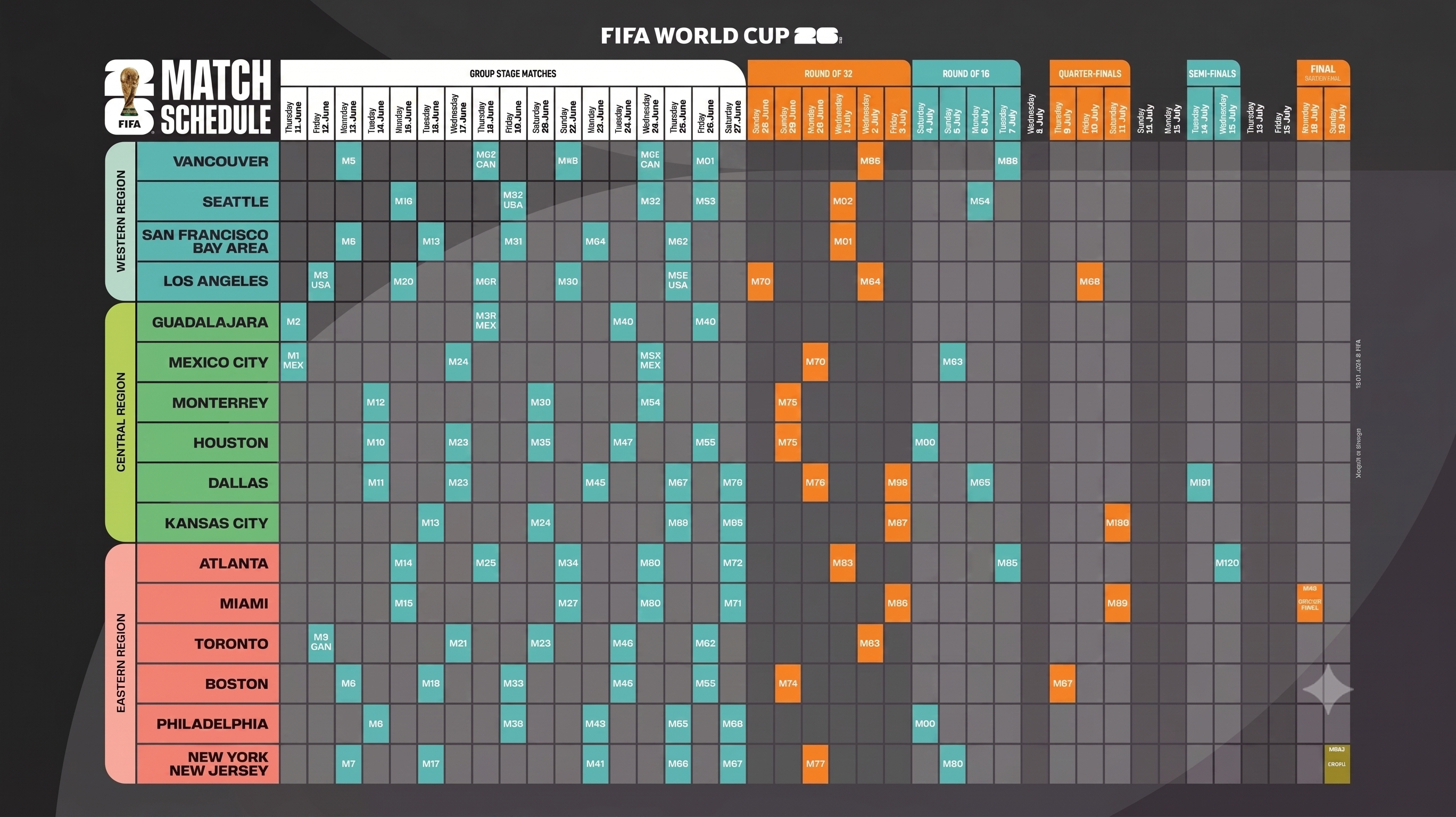
You will witness the 2026 FIFA World Cup begin on Thursday, June 11, when the host nation plays its opening match. This tournament will stretch over five weeks, concluding with the final on Sunday, July 19. Unlike previous editions, the extended format means more matches and a longer competitive window, giving fans deeper immersion into the global spectacle. The expanded 48-team structure ensures nearly daily fixtures, with games scheduled across multiple time zones in the U.S., Canada, and Mexico.
Group Stage Schedule
Each of the 48 teams will play three matches during the group phase, which runs from June 11 to June 28. You’ll see 12 groups of four teams competing for advancement, with the top two from each group and the eight best third-placed teams progressing. Matches will be spread across 16 host cities, meaning you can expect early kickoffs in Vancouver, afternoon games in Guadalajara, and primetime action in New York. This staggered scheduling allows for up to three games per day in different regions, maximizing viewing opportunities across global time zones.
Knockout Rounds and Key Matchups
The Round of 32 begins on June 30, marking the start of single-elimination football. You’ll face high-stakes drama early, as even minor errors can end a nation’s campaign. Quarterfinals are set for July 9-10, followed by semifinals on July 13 and 14. The third-place playoff returns on July 17, giving one team a final chance at glory before the grand finale. With tighter spacing between knockout rounds, squad depth and recovery will be tested like never before.
Final Match and Closing Ceremony
Your journey through the 2026 World Cup culminates at MetLife Stadium in East Rutherford, New Jersey, where the final will be played on July 19. Kickoff is expected around 3:00 PM local time, balancing North American viewership with prime-time broadcasts in Europe. The closing ceremony will precede the match, celebrating unity, athleticism, and the global reach of football. This will be the first World Cup final hosted in the New York metropolitan area, adding historic weight to the occasion.
A New Format for a New Era
Expanded Competition, Greater Opportunity
You’re stepping into the most expansive chapter of World Cup history with the 2026 tournament. For the first time, 48 national teams will compete, nearly doubling the size of previous editions. This shift isn’t just about more matches-it’s about broader representation, giving emerging football nations a real shot at global glory. Countries from Africa, Asia, and North and Central America will benefit from additional qualification slots, making the path to the tournament more inclusive than ever before.
How the Tournament Will Unfold
Each team will begin in one of 12 groups of four, with the top two from each group advancing alongside the eight best third-placed teams. That creates a 32-team knockout stage starting with a Round of 32-something never seen in World Cup history. The expanded format means more games, more drama, and more chances for underdogs to shine. You’ll see 104 matches in total, stretching the tournament over 39 days across three nations.
Host Cities and Logistical Scale
Games will be hosted across 16 cities in the United States, Mexico, and Canada, marking the first time three countries jointly host the men’s World Cup. From Vancouver to Mexico City, and New York to Guadalajara, fans will experience diverse cultures and world-class stadiums. Travel logistics will be a challenge, but the shared infrastructure and regional proximity help balance the load. You can explore the full breakdown of venues, match schedules, and group allocations through the official FIFA World Cup 2026™ | Fixtures, groups, teams & more resource.
What This Means for the Future of Football
The 2026 format reflects football’s global evolution. By expanding access and embracing new markets, FIFA is betting on long-term growth beyond traditional powerhouses. You’ll notice more late-night kickoffs for U.S. audiences, increased investment in grassroots programs across host nations, and a tournament designed to reach more fans than ever. While some worry about fixture congestion and diluted competition, the overall impact could redefine how the sport connects with new generations worldwide.
Teams to Watch and Dark Horses
Established Powerhouses to Monitor
You already know the usual suspects will command attention in 2026. Brazil, France, and Argentina remain among the most dangerous contenders, each entering with deep squads and recent tournament pedigree. France, despite internal turbulence after past campaigns, still boasts explosive attacking talent capable of dismantling any defense. Argentina carries the momentum of their 2022 triumph, with a cohesive unit that thrives under pressure. Brazil, under new leadership, is rebuilding with a blend of youth and experience, making them unpredictable but always threatening. Their path through the expanded format could favor their depth, especially if they avoid early clashes with fellow top seeds.
Germany’s resurgence under a more pragmatic coaching approach has reestablished them as a serious threat. Their disciplined structure and ability to adapt mid-tournament make them particularly dangerous in knockout stages. England, now with a stronger core of battle-tested players, aims to finally break their penalty shootout curse on the biggest stage. The U.S. team, as co-hosts, will benefit from passionate home support and a growing domestic player pool. Their progression past the quarterfinals would be a historic achievement, but not out of reach given favorable group dynamics and home-field advantage.
Emerging Threats and Potential Surprises
Portugal enters with a new generation stepping into the spotlight, no longer reliant solely on one legendary figure. Young attackers like Gonçalo Ramos and João Félix bring pace and creativity that could exploit gaps in even the most organized defenses. Their balanced squad and tactical flexibility make them a genuine threat to advance deep into the competition. Morocco’s run to the semifinals in 2022 wasn’t a fluke-it was a statement. With continued cohesion, disciplined defending, and counterattacking precision, they could replicate or even surpass that performance on a bigger stage.
You shouldn’t overlook Uruguay, where a new wave of talent complements seasoned veterans. Their physicality and set-piece efficiency give them an edge in tight matches. Senegal, reigning African champions, possess a fluid midfield and a clinical striker in Sadio Mané, capable of unlocking stubborn defenses. The expanded 48-team format increases the odds of surprise packages advancing, and teams like Ukraine or Czechia could capitalize on weaker early matchups. Their success will depend on consistency, but one strong week could propel them into uncharted territory.
Under-the-Radar Contenders with Real Potential
Canada’s qualification for 2026 is more than symbolic-they have a young, dynamic core led by Alphonso Davies, whose pace on the left flank can destabilize any backline. With home games across Toronto, Vancouver, and Edmonton, their energy and fan support could fuel a deep run. Poland, anchored by Robert Lewandowski’s continued excellence, has added defensive solidity and midfield control. They may not dominate possession, but their efficiency in front of goal makes them a dangerous opponent in elimination games.
Japan’s technical precision and high-pressing style have troubled elite teams before. Their preparation, discipline, and ability to execute game plans flawlessly give them a real shot at advancing beyond the round of 16. Croatia, though aging, still has Luka Modrić orchestrating play with unmatched vision. Their resilience in tight games and experience in extended tournaments make them a persistent threat. You’ll want to keep an eye on how these teams manage fatigue and tactical adjustments as the pressure mounts in the latter stages.
The Economic Impact of the Tournament
Host Cities and Infrastructure Investment
You’re witnessing one of the largest infrastructure pushes in North American sports history as host cities prepare for the influx of fans and media. Stadium upgrades, new transportation networks, and expanded hospitality zones are being fast-tracked across the United States, Canada, and Mexico. Over $10 billion is expected to be invested collectively in urban development projects tied directly to the tournament. These improvements won’t just serve the month-long event-they’re designed to leave a lasting legacy, enhancing public transit and revitalizing underdeveloped neighborhoods. While some critics question whether the spending is proportionate to long-term benefits, the scale of construction is already creating thousands of jobs in the short term.
Tourism and Local Business Surge
Travel bookings for June and July 2026 are already showing double-digit growth compared to previous World Cup host years, signaling a major boost for the tourism sector. You can expect hotels, restaurants, and local vendors in host cities like Los Angeles, Toronto, and Guadalajara to see unprecedented foot traffic. International visitors will spend heavily on accommodations, dining, and cultural experiences, injecting cash directly into small businesses. Some estimates project over 5 million visitors across the three nations, making this one of the most traveled-to tournaments in history. This surge won’t be evenly distributed-cities without strong tourism infrastructure may struggle to accommodate demand, risking service strain and inflated prices.
Long-Term Economic Risks and Rewards
History shows that mega-events like the World Cup can leave behind underused stadiums and debt if planning isn’t aligned with community needs. You should be aware that while the short-term economic spike is real, the long-term value depends on how well host regions repurpose facilities and sustain tourism momentum. Several past hosts have faced financial strain after the final whistle, with public funds diverted from imperative services to cover cost overruns. However, the joint bid model of 2026 offers a more balanced approach-spreading costs and benefits across three countries may reduce individual burden. If managed wisely, this tournament could become a benchmark for economically responsible global events.
Conclusion
Conclusively, the World Cup 2026 marks a historic shift with 48 teams, expanded host nations, and a restructured format. You now know the qualified teams, how the tournament will unfold, and the key dates to mark on your calendar. This edition offers more matches, broader global representation, and a fresh competitive dynamic across the United States, Canada, and Mexico.
You are fully informed on the tournament’s structure, host cities, and timeline. The scale may be larger, but the essence remains: elite football, national pride, and unforgettable moments. Plan your viewing, track team progress, and engage with the global event from June 11 to July 19, 2026.
FAQ
Q: Which countries are hosting the 2026 FIFA World Cup, and how is the tournament structured across them?
A: The 2026 FIFA World Cup will be jointly hosted by three countries: the United States, Canada, and Mexico. This marks the first time the tournament will be shared by three nations. The United States will host 60 of the 80 total matches, including all games from the quarterfinals onward. Canada will host six matches, including group stage and round of 32 games, with matches taking place in Vancouver and Toronto. Mexico will host 13 matches, including group stage and knockout games, in Mexico City, Guadalajara, and Monterrey. The opening match is scheduled to take place in Mexico City, making it the first country to host the men’s World Cup three times.
Q: How many teams will compete in the 2026 World Cup, and what is the new tournament format?
A: The 2026 World Cup will expand to 48 teams, up from 32 in previous editions. The teams will be divided into 12 groups of four. The top two teams from each group, along with the eight best third-placed teams, will advance to a 32-team knockout stage. This new format means more matches-104 in total-and a longer tournament, running over 38 days. The expansion allows more nations from underrepresented regions, such as Africa and Asia, to participate. The qualification process began in 2023 and will conclude in 2026, with slots allocated based on continental confederations.
Q: What are the key dates for the 2026 World Cup, and when will the final be held?
A: The 2026 FIFA World Cup is set to begin on Thursday, June 11, 2026, with the opening match in Mexico City. The tournament will run through Sunday, July 19, 2026, when the final will be held at MetLife Stadium in East Rutherford, New Jersey, just outside New York City. Group stage matches will take place from June 11 to July 3, followed by the round of 32 from July 4 to July 7. The knockout rounds will progress through July, with the semifinals scheduled for July 15 and 16. The final match will kick off at 8:00 PM local time and is expected to draw a global audience of over a billion viewers.