




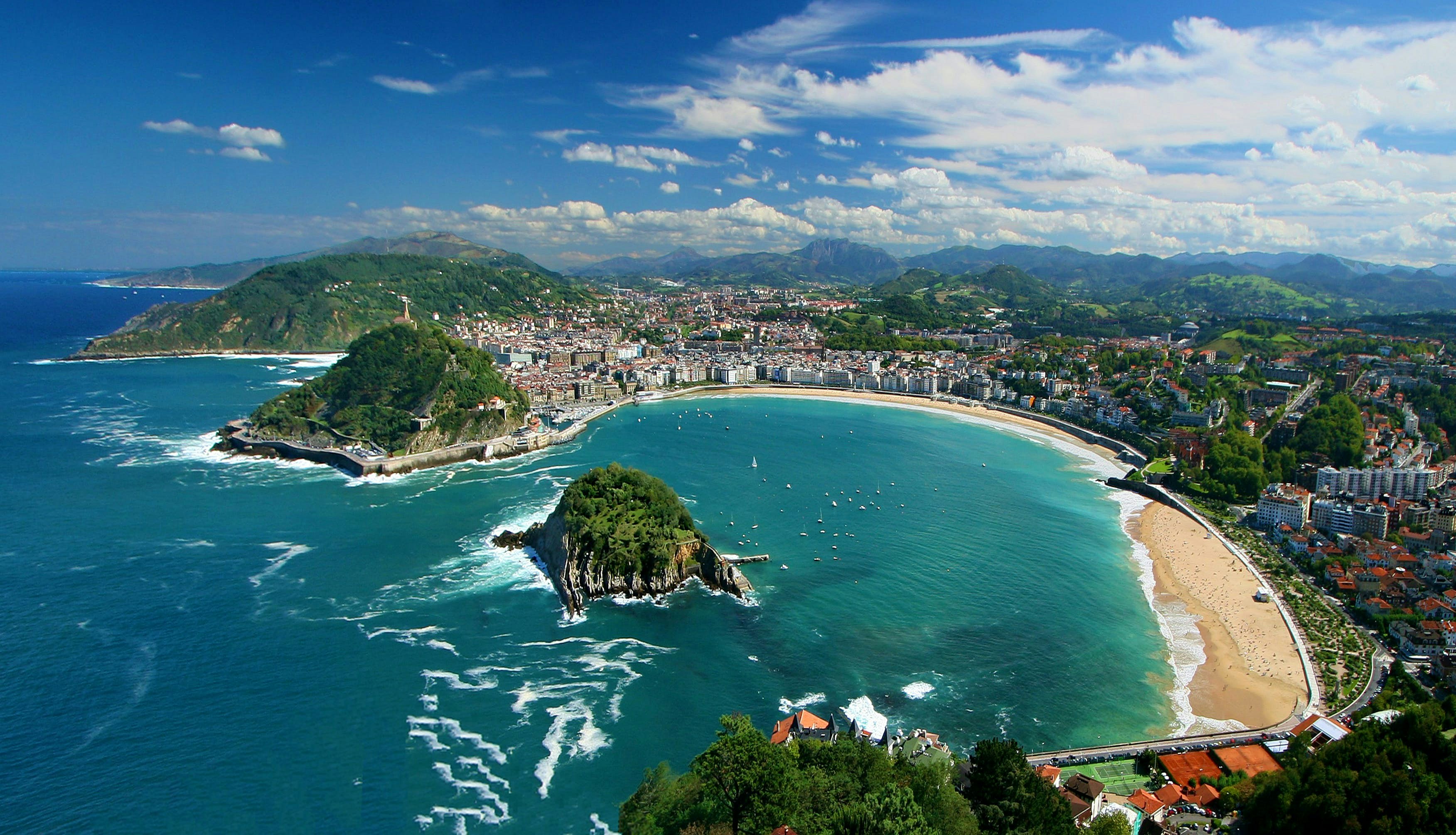
Key Takeaways:
- Explore lesser-known regions like Extremadura or the Picos de Europa to discover quiet villages, untouched nature, and traditional Spanish culture without the summer crowds.
- Travel during the shoulder months of June or September for milder weather and fewer tourists, making it easier to experience authentic local life in coastal towns and rural areas.
- Use local resources such as regional tourism websites, small-town tourist offices, and word-of-mouth recommendations from residents to uncover hidden spots not listed on major travel platforms.
Defining Authenticity: What Makes a Spanish Destination Unexplored?
Distinguishing between commercialized tourism and genuine local culture
Real cultural experiences in Spain often unfold where tourism hasn’t reshaped daily life. You’ll notice authenticity in villages where festivals follow centuries-old rituals, not performance schedules. Shops sell handmade goods, not mass-produced souvenirs. Locals speak freely in regional dialects, not just tourist-friendly Spanish. When menus list regional specialties made from local ingredients, not generic paella for every visitor, you’ve found a place rooted in tradition.
The impact of geographic isolation on preserving traditions
Mountains and remote valleys have shielded many Spanish communities from outside influence. These isolated regions maintain customs unchanged for generations, from farming techniques to music and dress. Distance from major cities means fewer crowds and less pressure to adapt for tourists. You experience Spain as it was, not as it’s been packaged.
Places like the Picos de Europa or inland Extremadura rely on self-sufficiency, which strengthens cultural continuity. Shepherds still use ancient transhumance routes, and village councils govern by traditional codes. This separation isn’t a barrier-it’s a guardian of heritage. When you visit, you’re not just observing; you’re stepping into a living history.
Characteristics of a peaceful summer sanctuary in the Iberian Peninsula
True sanctuaries offer quiet plazas, not packed promenades. You’ll hear church bells, not loudspeakers, and see families sharing meals at home, not staged photo ops. These towns have limited signage for tourists and no chain hotels. The pace slows after midday, honoring the siesta, and evenings bring soft conversation, not nightlife noise.
Peace here means more than silence-it’s the absence of performance. Locals aren’t playing a role for visitors; they’re living. You’re welcomed not as a customer, but as a respectful guest. These places don’t advertise, but they remember those who come with humility. That’s where real connection begins.
Types of Hidden Summer Regions Across Spain
- Discover authentic Spanish summers far from tourist crowds
- Explore unspoiled natural beauty in Spain’s least-visited corners
- Experience cultural preservation in remote villages and highland towns
- Escape the heat with cooler mountain climates and sea breezes
- Find peaceful destinations where time moves slower and life feels real
| Region Type | Key Features |
| The Green North | Lush valleys, Atlantic coastline, mild summers |
| Interior Meseta | Medieval villages, high plains, historic architecture |
| Forgotten South | Remote mountains, traditional life, low visitor numbers |
| Hidden Islands | Untouched islets, local fishing culture, quiet coves |
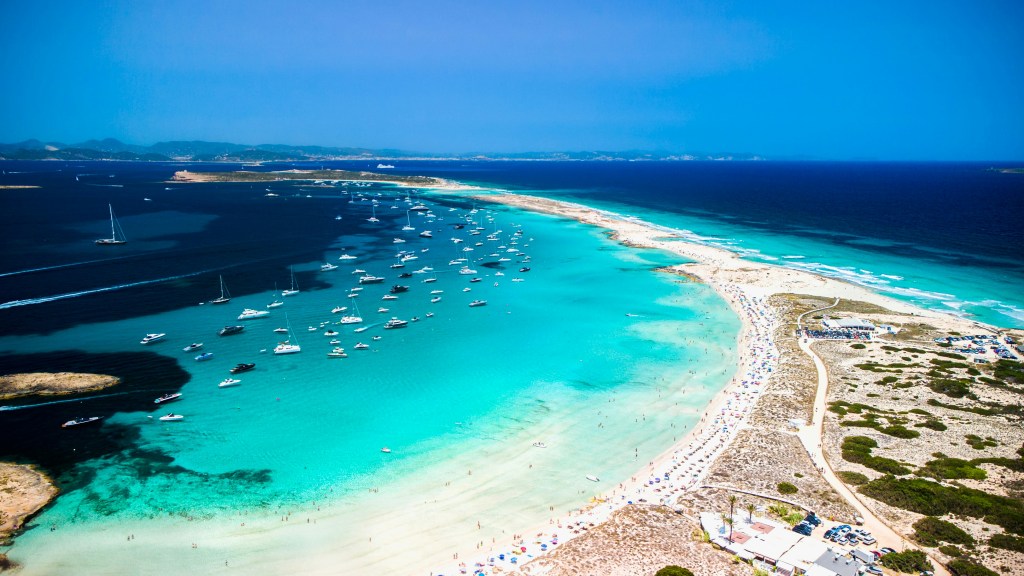
The Green North: Lush valleys and rugged Atlantic coastlines
You’ll find refreshing summer breezes along Spain’s northern coast, where emerald hills meet the Cantabrian Sea. This region stays cooler than the south, making it ideal for hiking and coastal exploration without enduring scorching heat.
Small fishing villages like Cudillero or Comillas offer authentic charm with colorful homes and fresh seafood. Thou can walk ancient pilgrim paths or relax in quiet coves where few tourists ever wander.
The Interior Meseta: Medieval villages and high-altitude plains
High above sea level, the central plateau holds centuries-old towns frozen in time. You’ll see stone-built homes, Romanesque churches, and vast open skies stretching endlessly across golden fields.
Places like Ávila and Segovia are known, but just beyond lie lesser-known gems such as Pedraza or Sepúlveda, where daily life moves at a human pace. Thou can wander cobbled lanes without crowds, feeling the weight of history in every stone.
Life in the Meseta revolves around tradition-festivals rooted in medieval rites, family-run inns, and meals cooked with local grains and lamb. The dry air and high elevation bring cool nights, perfect for rest after long summer days. You’re not just visiting-you’re stepping into a quieter Spain that still believes in silence, seasons, and simplicity.
The Forgotten South: Remote mountain ranges beyond the coastal resorts
Behind the crowded beaches of Andalusia lies a wilder, quieter world. You’ll discover isolated sierras like the Sierra de Grazalema or the Sierra Nevada’s back slopes, where mountain goats outnumber tourists.
White villages cling to cliffs, shaded by pines and fed by natural springs. Peace reigns here, far from the noise of coastal nightlife. Thou can hike ancient trails, sip mint tea in village plazas, and sleep under stars undimmed by city lights.
The south’s hidden mountains offer more than scenery-they preserve a way of life shaped by isolation and resilience. You’ll meet locals who still tend terraced farms and speak dialects unchanged for generations. These are not destinations for convenience, but for connection. Thou will leave with stillness in your bones and stories no guidebook could tell.
Critical Factors to Consider When Selecting a Remote Location
Choosing a secluded summer destination in Spain requires attention to several key elements that affect both comfort and authenticity.
- Climate patterns
- language accessibility
- infrastructure reliability
play major roles in shaping your experience. Prioritize locations where local traditions remain intact and mass tourism has not altered daily life. Perceiving the balance between solitude and practicality ensures a peaceful yet safe journey.
Evaluating climate variations and regional heat indices
Spain’s inland regions often face extreme summer temperatures, especially in areas like Extremadura or La Mancha. Coastal microclimates, by contrast, benefit from sea breezes that moderate heat. You should review historical weather data for your chosen month, focusing on average highs and humidity levels. Exposure to prolonged heatwaves can disrupt outdoor plans and impact health, particularly in remote zones with limited medical access.
Assessing the level of English proficiency versus local dialects
Rural villages in Galicia, Asturias, or the Balearic interior may rely heavily on regional languages like Gallego or Catalan, with minimal English spoken. You’ll find communication smoother in tourist-established areas, but true authenticity lies where locals use their native tongue. Understanding basic phrases in the regional language shows respect and deepens connections.
Engaging with communities where English is limited invites richer cultural exchange. You may encounter warm hospitality simply by attempting the local dialect. Perceiving subtle linguistic cues helps you融入 daily life more naturally and avoid misunderstandings.
Analyzing infrastructure and proximity to important services
Mountainous or island regions might lack consistent internet, 24-hour pharmacies, or paved roads. You need to verify access to medical clinics, grocery stores, and transportation links before settling on a destination. Some remote villages only receive daily bus service, which affects emergency response times.
Reliable infrastructure doesn’t diminish authenticity-it ensures safety without sacrificing serenity. Perceiving the practical limits of isolation helps you prepare adequately and enjoy peace of mind.
Essential Research Tools for Off-the-Beaten-Path Travel
Utilizing topographic maps and regional government archives
Topographic maps reveal terrain details that standard apps often overlook, showing hidden trails, seasonal rivers, and elevation shifts. You’ll spot villages tucked in mountain folds or coastal inlets unreachable by main roads. Regional government archives often publish historical land use records, disclosing abandoned watchtowers or forgotten pilgrimage routes now open to hikers.
These resources expose access points closed to mass tourism. Local cadastral data might highlight undeveloped plots or protected zones where construction is banned, preserving natural solitude.
Leveraging Spanish-language forums and local community blogs
Locals share real-time updates on trail conditions, family-run guesthouses, and seasonal festivals in regional forums. You’ll find warnings about summer road closures or the best time to visit a mountain spring. Community blogs often mention unlisted homestays or village bakeries open only on Sundays.
These platforms offer insights no international travel site can replicate.
Reading comments on a Galician hiking forum, you might learn about a seaside cove only accessible at low tide-information passed quietly among neighbors. Such details are rarely translated, making language access a key advantage. Engaging respectfully-perhaps with a simple “Gracias por las recomendaciones”-builds goodwill and often invites richer responses.
Cross-referencing population density data for maximum seclusion
Spain’s National Statistics Institute (INE) provides granular data on municipal populations, letting you compare village sizes down to the last resident. You can filter by province and identify towns with fewer than 100 inhabitants, often located in natural parks. These areas typically lack commercial signage and remain untouched by tour buses.
Matching low-density zones with public transport routes ensures accessibility without sacrificing peace.
When you overlay population maps with protected natural areas, you uncover places like Liébana in Cantabria-sparsely populated, rich in tradition, and surrounded by forested peaks. Such regions offer profound quiet, especially in July and August when coastal hubs overflow. Staying in a hamlet with no streetlights means nights filled only with crickets and wind, a rare gift in modern travel.
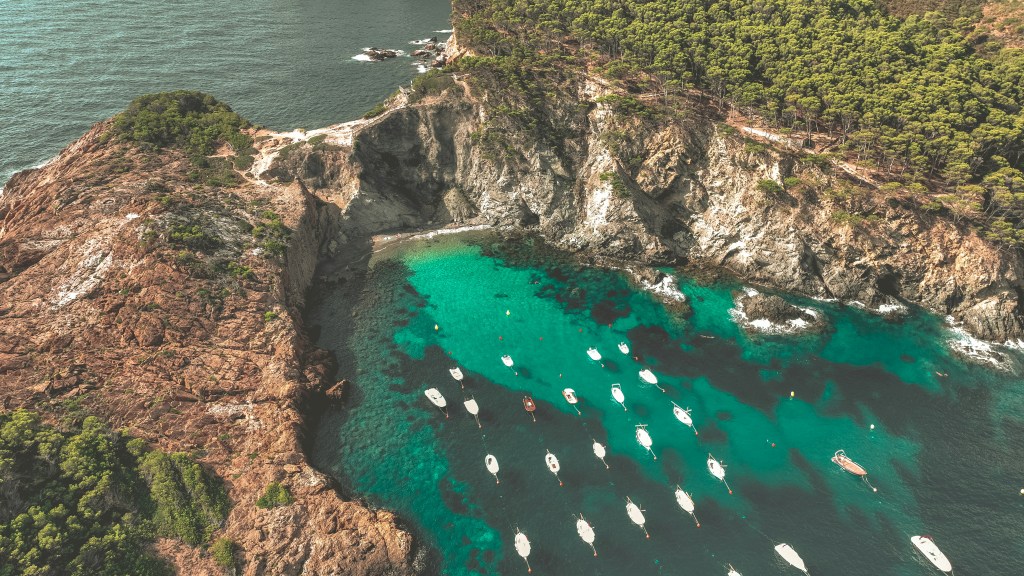
A Step-by-Step Guide to Scouting Authentic Spanish Villages
| Step | Action |
| 1 | Identify provinces with low tourist density and rich cultural heritage |
| 2 | Analyze satellite imagery for natural isolation and intact landscapes |
| 3 | Contact local Ayuntamientos for access and cultural context |
Identifying high-potential provinces through historical data
You can uncover overlooked regions by reviewing Spain’s tourism statistics and census records. Provinces like Soria, Teruel, and Cáceres often appear in data as having the lowest visitor numbers yet highest density of medieval architecture. These areas are protected by law from mass development, preserving their authenticity.
Historical migration patterns also reveal where traditions remain strong. Villages that resisted urban migration in the 20th century often maintain intact cultural practices and community life. This makes them ideal for travelers seeking genuine connection.
Using satellite imagery to verify natural surroundings and privacy
Google Earth or Sentinel Hub lets you inspect terrain, tree cover, and road access before visiting. Look for villages surrounded by dense forest, mountain ridges, or river bends-these natural features often shield communities from commercial intrusion.
Clusters of tightly packed stone homes with no nearby resorts or large parking lots suggest undisturbed character. Be cautious of areas with new construction zones visible from above-these may soon lose their quiet charm.
Satellite tools also reveal seasonal changes. A village green in spring might turn dry by summer, affecting your experience. Checking imagery across months helps you avoid unexpected environmental shifts and ensures the solitude you’re seeking.
Contacting local town halls (Ayuntamientos) for cultural insights
You gain rare access to local knowledge by writing directly to the Ayuntamiento. Most small-town offices respond in Spanish or regional languages, offering details on festivals, family-run guesthouses, and restricted heritage sites not listed online.
Staff often welcome respectful inquiries and may connect you with residents. This direct line helps you avoid tourist traps and participate in genuine community events, like village bread ovens or grape harvests.
Reaching out shows respect for local governance and builds trust. Many Ayuntamientos appreciate advance notice of visitors, especially in fragile populations. Your effort to engage formally can open doors to private homestays or guided walks with elders who know the land best.
Transportation and Infrastructure Tips
Mastering the secondary road network opens access to Spain’s most authentic and peaceful summer escapes. These lesser-known routes often lead to unspoiled villages tucked in mountain folds or along quiet coastlines.
Mastering the secondary road network and scenic driving routes
Secondary roads in Spain, marked with “N” or “CL” designations, connect remote regions with minimal traffic and stunning views. You’ll discover scenic driving routes like the Ruta de la Plata or the Pyrenean passes that reveal landscapes untouched by mass tourism. These roads demand attention-some are narrow or unpaved-but reward with solitude and beauty. Thou will find that patience and a good map make all the difference.
Understanding the limitations of regional public transit
Regional buses and trains in rural Spain often run infrequently, especially in mountainous or sparsely populated zones. Schedules may change without notice during summer months, leaving travelers stranded without backup plans. Rural stations rarely have real-time updates, and service often ends by early evening. Thou must verify timetables in advance and build in buffer time.
Understanding the limitations of regional public transit means accepting that some destinations are only reachable with flexibility or private transport. Many charming villages lack direct connections, requiring multiple transfers that can delay arrival. Always confirm return times the same day, as missing a bus might mean waiting hours-or finding alternative lodging.
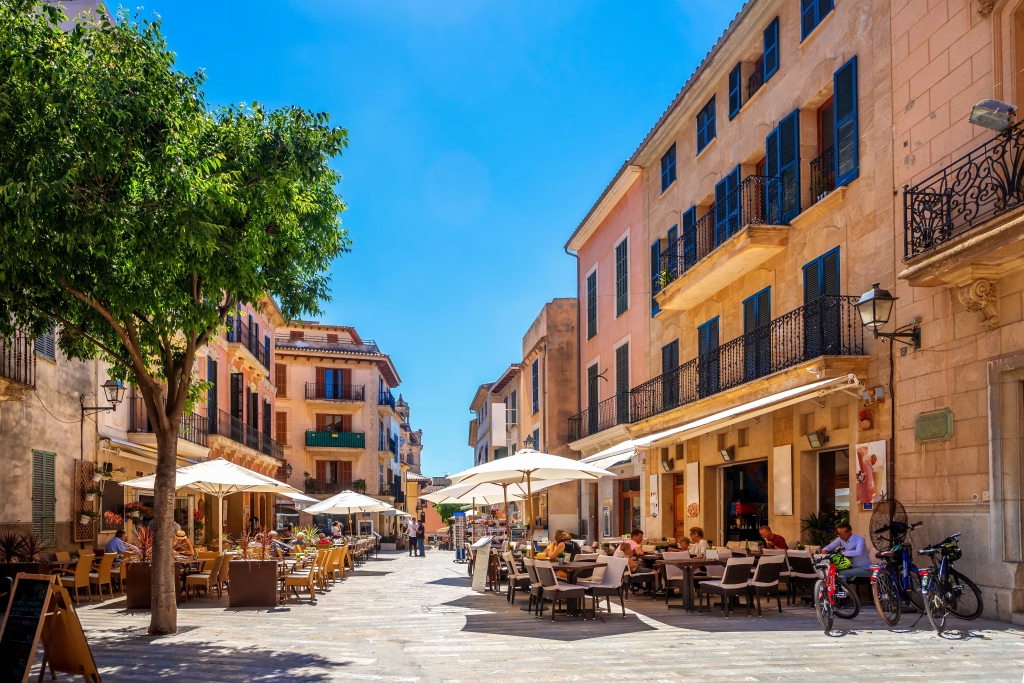
Tips for securing reliable vehicle rentals for rural terrain
- Choose a rental with unlimited mileage to avoid surprise fees on long drives
- Opt for a compact SUV or higher-clearance vehicle for unpaved mountain or forest roads
- Verify insurance covers gravel and dirt roads, common in rural Spain
- Pick up the car in larger towns where selection and conditions are better
- Request a physical road atlas-GPS often fails in remote valleys
Local rental agencies sometimes offer better rates and insider knowledge than international chains. They understand the terrain and can warn about seasonal road closures. Perceiving these nuances ensures a smoother, safer journey into Spain’s hidden corners.
Securing reliable vehicle rentals for rural terrain means prioritizing durability and coverage over cost. Smaller agencies in provincial capitals often provide well-maintained cars and honest advice about road conditions. Always inspect tires and undercarriage before departure, especially if heading into mountainous or forested zones. Perceiving the vehicle as your gateway to solitude and authenticity changes how you prepare-and travel.
Cultural Etiquette: Respecting Local Traditions in Non-Touristic Areas
When you step into Spain’s lesser-known villages, you enter communities where tradition shapes daily life. Locals appreciate visitors who observe customs with sincerity, not spectacle. Your presence should never disrupt the rhythm of village routines, whether in a quiet plaza or a centuries-old chapel. Respectful behavior builds trust and opens doors to authentic experiences few tourists ever witness.
Navigating the traditional Spanish schedule and the “Siesta”
Spain’s daily rhythm differs sharply from many other countries, and timing matters. Shops and services often close between 2 PM and 5 PM for the traditional siesta, a pause rooted in climate and culture. Expect limited activity during these hours, and plan meals and errands accordingly. Dinner after 9 PM is normal, even expected, in rural areas.
Basic linguistic courtesy and the importance of regional greetings
Using even a simple “buenos días” or “gracias” in Spanish shows you value the local way of life. In regions like Catalonia, Galicia, or the Basque Country, a greeting in the regional language-like “bon dia,” “boa tarde,” or “kaixo”-can make a lasting impression. Locals notice and appreciate the effort, even if your pronunciation isn’t perfect.
Learning a few regional phrases goes beyond politeness-it acknowledges cultural identity. In many unexplored areas, regional languages are a point of pride and resilience. By greeting someone in their native tongue, you signal respect, not just as a guest but as someone willing to connect on their terms. This small act often leads to warmer interactions and unexpected invitations.
Ethical participation in local patron saint festivals and markets
Patron saint festivals are deeply meaningful events, not performances for visitors. Participate quietly, observe before joining, and never treat rituals as photo opportunities. Ask before taking pictures, and dress modestly when attending religious processions. Your presence should honor, not distract from, the community’s traditions.
These festivals reflect the soul of rural Spain, blending faith, history, and local pride. When you attend with humility, you’re not just watching a celebration-you’re sharing in a living tradition. Markets, too, are social hubs; buy directly from vendors, engage kindly, and avoid haggling, which is uncommon and often seen as rude. Your respectful behavior supports the community’s dignity and sustainability.
Expert Tips for Immersive Gastronomic Experiences
- Seek out “Km 0” restaurants that source ingredients within a short radius
- Visit traditional family-run tabernas for authentic regional dishes
- Ask locals about seasonal harvests and food festivals
- Explore morning markets to engage directly with producers
- Taste regional specialties that reflect centuries-old culinary traditions
Knowing where and how to eat transforms your journey into a true cultural immersion.
Identifying “Km 0” restaurants and traditional family-run tabernas
Look for menus listing local farms or coastal villages as ingredient sources-these are strong signs of a “Km 0” philosophy. Family-run tabernas often have handwritten chalkboards and no website, operating on generations of culinary instinct. Their doors open early for workers and close when the food runs out.
You’ll find the most genuine spots by walking quiet side streets, not tourist corridors. These places don’t advertise, relying instead on loyal neighbors. Knowing
Understanding regional culinary specialties and seasonal harvests
Each Spanish region guards unique dishes shaped by geography and history. In Galicia, percebes (goose barnacles) appear in summer, harvested from treacherous cliffs. Catalonia celebrates calçots in winter, while Andalusia’s spring brings espárragos trigueros (wild asparagus).
Seasonal timing ensures peak flavor and sustainability. Menus change quietly, without fanfare. Knowing
Regional pride runs deep in Spanish kitchens-locals view their dishes as identity, not just sustenance. A menestra in Madrid or pulpo á feira in Ourense carries ancestral weight. Chefs in unassuming towns often reject modern trends to preserve authenticity. Respect this by ordering what’s seasonal and local, not what’s familiar.
The etiquette of the Spanish market: Buying direct from producers
Arrive early to see the freshest picks laid out-vendors appreciate punctuality and genuine interest. Speak directly to farmers, asking “¿Qué es lo mejor hoy?” (“What’s best today?”). This small gesture builds trust and often leads to samples or tips.
Bring a reusable bag and accept change in small coins without hesitation-this is normal. Never haggle; prices are fair and fixed. Knowing
Spanish market culture thrives on respect and routine. Producers take pride in their goods and often share stories if you show curiosity. A simple “Gracias, buen provecho” at the end of a transaction goes a long way. These interactions are not transactions-they’re micro-connections that reveal the soul of a region’s food.
Sustainable Travel Practices in Fragile Ecosystems
Minimizing environmental footprints in protected natural parks
Staying on marked trails keeps delicate plant life undisturbed and prevents soil erosion in sensitive areas. You help preserve endangered species habitats by avoiding shortcuts or off-path exploration. Carry out all waste, including biodegradable items like fruit peels, which can disrupt local ecosystems.
Using eco-friendly sunscreen and avoiding single-use plastics reduces pollution in pristine environments. Even small actions, like not feeding wildlife, maintain natural behaviors and protect animal health. Respect park regulations-they exist to shield these spaces from irreversible harm.
Supporting the local economy through direct artisanal purchases
Buying handmade goods directly from village artisans ensures your money reaches the creators, not distant corporations. You sustain traditional crafts and cultural heritage by choosing locally woven baskets, ceramics, or natural soaps.
These purchases often fund community-led conservation efforts, linking cultural preservation with environmental care. Seek out family-run cooperatives or weekend markets in rural towns for authentic, meaningful souvenirs.
When you buy directly from artisans, you’re not just acquiring a keepsake-you’re investing in livelihoods that depend on sustainable practices. These communities often use natural, locally sourced materials, reducing transport emissions and preserving ancestral techniques that honor the land.
Responsible water usage in drought-prone interior regions
Short showers and reusing towels cut water waste in arid zones where supply is already strained. Many inland villages face water restrictions due to prolonged droughts intensified by climate change.
Avoid filling private pools or watering gardens if you’re renting rural accommodations. Every liter saved supports local farmers and protects fragile aquifers.
Interior regions like Extremadura and parts of Castilla-La Mancha rely on limited groundwater reserves. By conserving water, you help ensure communities and ecosystems alike can endure dry seasons without crisis-level shortages.
Safety and Communication: Managing Remote Environments
Staying safe in Spain’s lesser-known regions means preparing for limited access to services. You may encounter areas with spotty phone reception, especially in mountainous or rural zones. Always inform someone of your itinerary before heading off-grid. For trusted local insights, check discussions like Where to visit in Spain outside of the major travel cities? to understand real traveler experiences. Carry a physical map and know the location of the nearest medical facility. Emergencies can escalate quickly when help is hours away, so preparation is your best defense.
Essential Spanish phrases for health and emergency situations
Knowing basic medical phrases can make a critical difference. If you feel unwell, say “Necesito un médico” (I need a doctor) or “Tengo dolor de cabeza” (I have a headache). In an emergency, shout “¡Ayuda!” (Help!) to draw attention. Learn how to explain allergies: “Soy alérgico a…” (I’m allergic to…). Pharmacists in Spain can offer immediate advice, even without a doctor’s prescription in many cases.
Offline navigation strategies and satellite communication options
Download offline maps using apps like Maps.me or Organic Maps before entering remote areas. These tools work without data and show trails, water sources, and villages. For added security, carry a GPS device like a Garmin inReach, which allows two-way satellite messaging. You’ll stay connected even in valleys or forests with zero signal. Relying solely on your phone is risky-battery life and coverage are unpredictable.
Having a satellite communicator means you can send your location to emergency contacts or request help with a single button press. These devices are lightweight and integrate with your smartphone. Test your gear before departure to ensure it functions properly. This technology can be life-saving during unexpected delays or injuries.
Understanding the “Farmacia” system in small municipalities
Pharmacies, or “farmacias,” in rural Spain often serve as first-line health advisors. They’re marked by a green cross and typically have a pharmacist on duty during opening hours. In smaller towns, the farmacia may rotate on-call duty after hours-look for posted schedules on the door. Pharmacists can treat minor injuries, recommend medications, and guide you to the nearest clinic. Never assume they’re closed; call the emergency number listed if you need help at night.
Some villages share a single pharmacy that covers multiple towns on a rotating basis. Ask locals or check municipal boards for the “farmacia de guardia” (on-call pharmacy) schedule. These systems ensure coverage, but hours can be limited. Carry a basic first-aid kit, as reaching a pharmacy might require a long drive. Knowing this structure helps you respond quickly when health issues arise.
Seasonal Timing: When to Visit to Ensure Maximum Tranquility
Avoiding the national August holiday peak for local travel
Spaniards often take their main vacation in August, flooding popular regions with local and international crowds. You’ll find even remote villages bustling and rural roads congested during this month, undermining your search for peace. To preserve authenticity, plan your trip just before or after this surge.
Choosing June or September instead grants you access to quieter trails, empty beaches, and intimate village life. The difference in crowd levels can transform your experience from chaotic to serene, especially in regions like Andalusia or the Balearics where domestic tourism spikes sharply.
The benefits of the early summer “June Bloom” in the mountains
June unveils a vibrant transformation in Spain’s highlands, where wildflowers blanket the meadows and rivers run full from melting snow. You’ll witness nature at its most alive, without the midsummer heat or foot traffic. Mountain refuges and rural guesthouses remain peaceful, offering deep connection with local rhythms.
Temperatures hover in the ideal range, making hiking, cycling, or simply wandering village trails a joy. This window delivers the rare combination of beauty, comfort, and solitude that vanishes by July.
During the June bloom, the Pyrenees and Sistema Central showcase alpine flora in full display-think red campion, yellow saxifrage, and purple thyme carpeting the hillsides. Fewer tourists mean you can sit undisturbed at a mountain spring or share stories with shepherds tending flocks along ancient paths. This is when rural Spain feels most genuine.
Late summer advantages: Harvesting seasons and cooler nights
By late August and early September, the intense heat begins to fade, especially in inland regions like Extremadura or Aragón. Nights grow refreshingly cool, perfect for open-window sleeping and evening strolls through stone villages. The land, still sun-warmed by day, hums with the rhythm of harvest.
Farmers gather olives, grapes, and almonds, inviting travelers to join in seasonal work or local festivals. These authentic interactions deepen your experience while avoiding the suffocating crowds of July and August.
You can participate in early grape stomps or visit family-run co-ops pressing the season’s first olive oil. This is when rural Spain opens its heart, offering not just scenery but connection. Cooler temperatures and cultural richness make late summer one of the most rewarding times to explore off-the-beaten-path destinations.
Budgeting for the Authentic: Cost Analysis of Rural vs. Urban Spain
Choosing where to stay shapes your entire Spanish summer experience, both emotionally and financially.
Comparative analysis of accommodation types: Casas Rurales vs. Hotels

Understanding the financial contrast between casas rurales and urban hotels reveals surprising savings in rural Spain. While city hotels often charge premium rates during peak season, traditional countryside homes offer space, privacy, and authenticity at lower nightly costs.
- Weekly rental of a casa rural often includes full kitchen and outdoor areas
- Urban hotels typically lack cooking facilities, increasing food expenses
- Rural stays encourage slower travel, reducing transport costs
- Many casas rurales are family-owned, supporting local economies
- Thou gain deeper cultural immersion while spending less.
| Accommodation Type | Average Weekly Cost (July) |
| Urban Hotel (Double Room) | €900-€1,400 |
| Casa Rural (Entire Home) | €600-€1,000 |
| Additional Fees (City Tourist Tax) | €3-€5 per person/night |
| Hidden Savings (Self-Catering) | €200-€350 weekly |
Hidden costs of remote travel including fuel and specialty supplies
Traveling deep into rural Spain means planning for logistical realities often overlooked. Fuel costs rise when villages are scattered and public transit is sparse, and small mountain towns may lack 24-hour supermarkets or pharmacies. You’ll sometimes pay more for imported goods, and ATMs in remote zones may carry withdrawal fees. Yet these expenses are predictable and manageable with foresight.
Stocking up on necessarys before arrival, renting compact fuel-efficient cars, and using regional markets reduce unexpected spending. Thou avoid frustration by treating distance not as a burden, but as part of the adventure.
Maximizing value through long-term stays in depopulated areas
Staying longer in Spain’s depopulated regions unlocks dramatic savings and deeper connection. Many rural landlords offer steep weekly or monthly discounts, especially in provinces like Teruel or Soria, where communities welcome visitors to revive local life. You gain spacious, character-filled homes-often with gardens or terraces-for less than a city hotel suite.
Extended stays let you live like a local: shopping at weekly markets, learning dialects, and forming bonds with neighbors. Thou transform from tourist to temporary resident, enriching your journey while stretching your budget.
Final Words
With this in mind, you now hold the keys to discovering Spain’s quiet corners-villages untouched by mass tourism, coastal paths without crowds, and mountain retreats where silence still exists. Seek destinations beyond the well-marked routes, engage with local communities, and travel with intention. Authenticity reveals itself when you slow down and choose depth over convenience.
You don’t need grand gestures to find peace. A single detour off the main highway, a conversation in broken Spanish at a village market, or an early morning walk through an empty plaza can lead to the most genuine experiences. Let curiosity guide you, and let stillness be your compass.
FAQ
Q: How can I find truly peaceful and unexplored summer destinations in Spain?
A: Start by looking beyond the well-known coastal cities like Barcelona, Ibiza, or the Costa del Sol. Focus on inland regions such as Extremadura, the province of Soria, or the mountainous areas of northern Andalusia. These places receive fewer tourists and offer quiet villages, natural parks, and cooler climates during summer. Use local travel blogs written in Spanish or regional languages to uncover hidden spots that aren’t widely advertised. Talking to residents through homestays or small guesthouses often leads to personal recommendations you won’t find on mainstream travel sites.
Q: What signs indicate a Spanish destination is authentic and not overly commercialized?
A: Authentic destinations usually have family-run shops, local markets selling regional produce, and limited chain stores or international restaurants. Check if the town hosts traditional festivals that aren’t staged for tourists-these events often involve the whole community and reflect real cultural practices. Look at the language spoken in public; if you hear regional dialects like Galician, Catalan, or Basque in daily use, it’s a good sign of cultural authenticity. Avoid places where nearly all signage is in English or where tour buses dominate the streets.
Q: Are there specific regions in Spain that stay cool and peaceful during the summer months?
A: Yes, northern regions like Asturias, Cantabria, and the Basque Country offer milder summer temperatures and lush green landscapes. The Picos de Europa mountains provide cool alpine air and scenic hiking trails away from crowds. Inland areas such as the Sierra de Gredos or the Pyrenees foothills also offer relief from heat, with small stone villages nestled in forested valleys. These areas are less crowded than coastal resorts and maintain a slower pace of life, making them ideal for travelers seeking tranquility and natural beauty.