




The Sommaroy Phenomenon – Norway’s Island Without Time
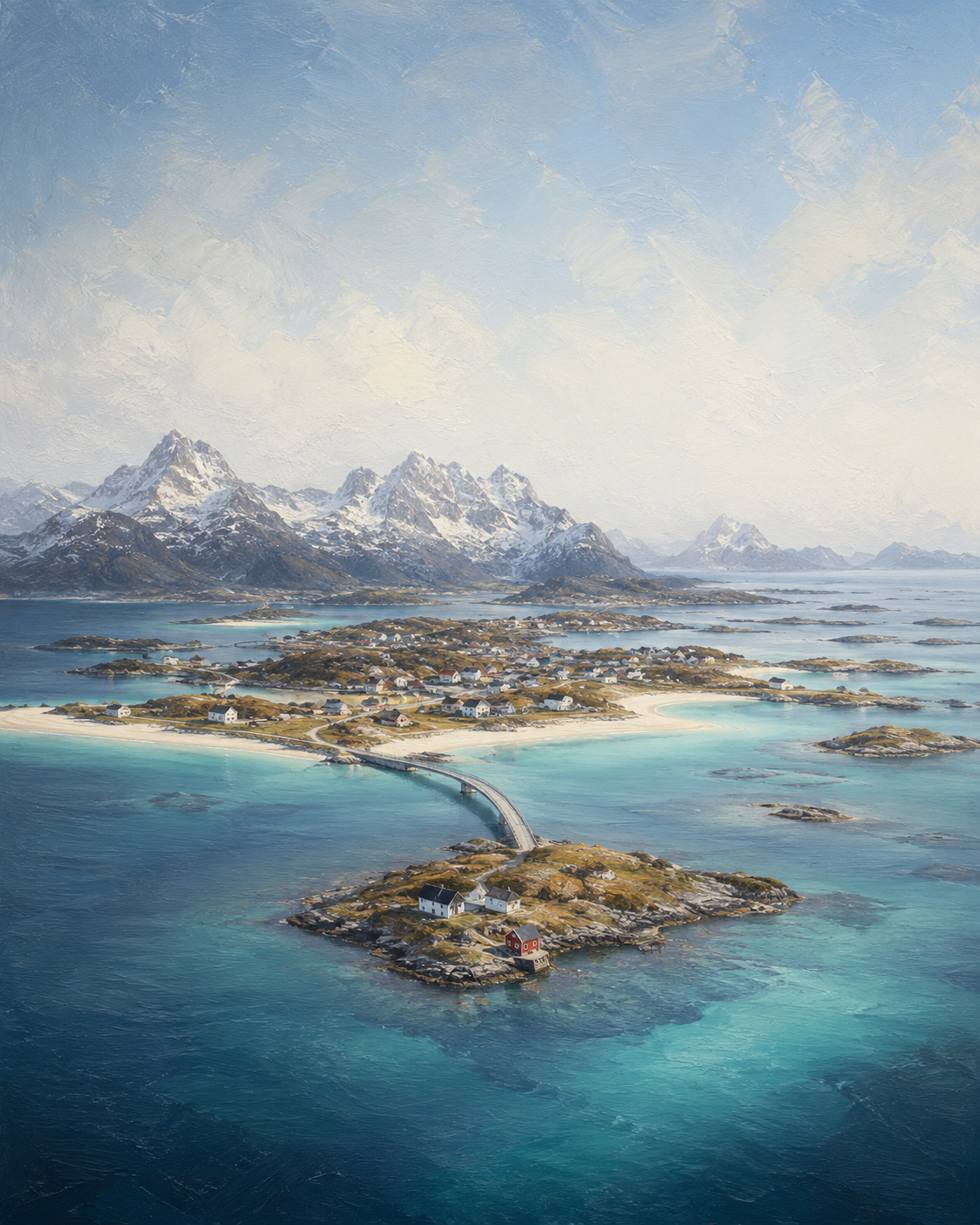
Sommaroy is a breathtaking Norwegian island where the traditional concept of time simply ceases to exist during the midnight sun season. This unique Arctic paradise gained global attention when its residents pushed to officially abolish clocks, allowing locals and visitors alike to fish, swim, and live entirely on their own schedule.
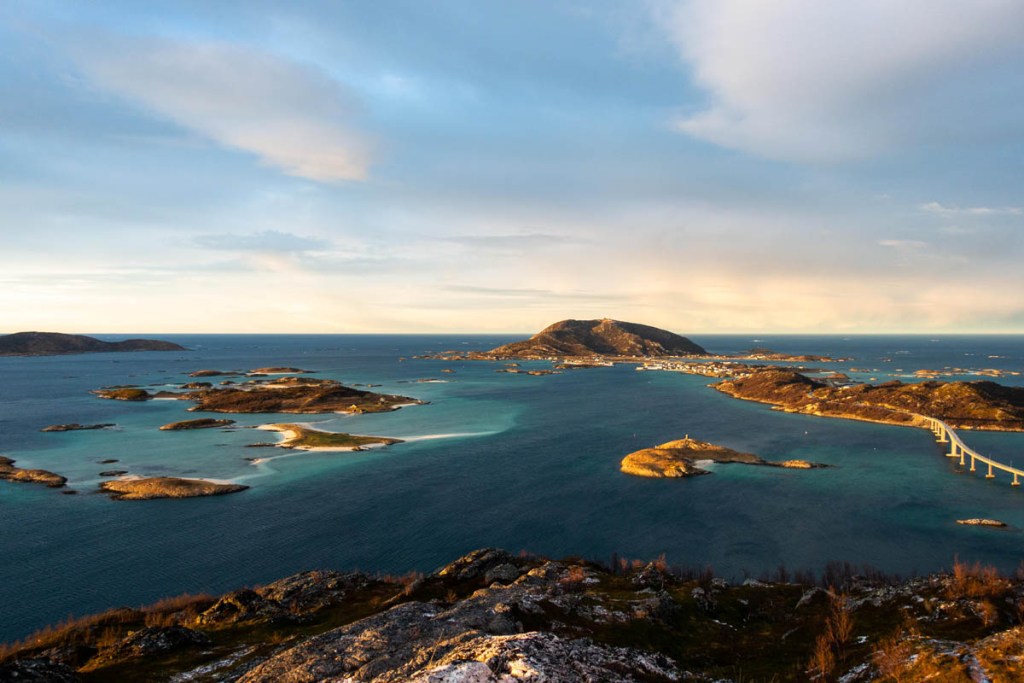
Over 250 residents of Sommarøy, a small coastal village north of the Arctic Circle, live without clocks or calendars for months each year. During the polar night, the sun does not rise for over two months, while in summer, sunlight lasts 24 hours a day for nearly two months. This natural cycle has led locals to abandon traditional timekeeping, creating a unique social experiment in how humans experience time. You experience life here not by hours, but by light, weather, and community rhythm. The absence of structured time has sparked both fascination and concern about mental health and societal function. Still, many residents report higher well-being, stronger family bonds, and a deeper connection to nature. You are invited to understand how time, as you know it, can dissolve in the far north.
The Midnight Sun and the Broken Watch
Living Under Eternal Light
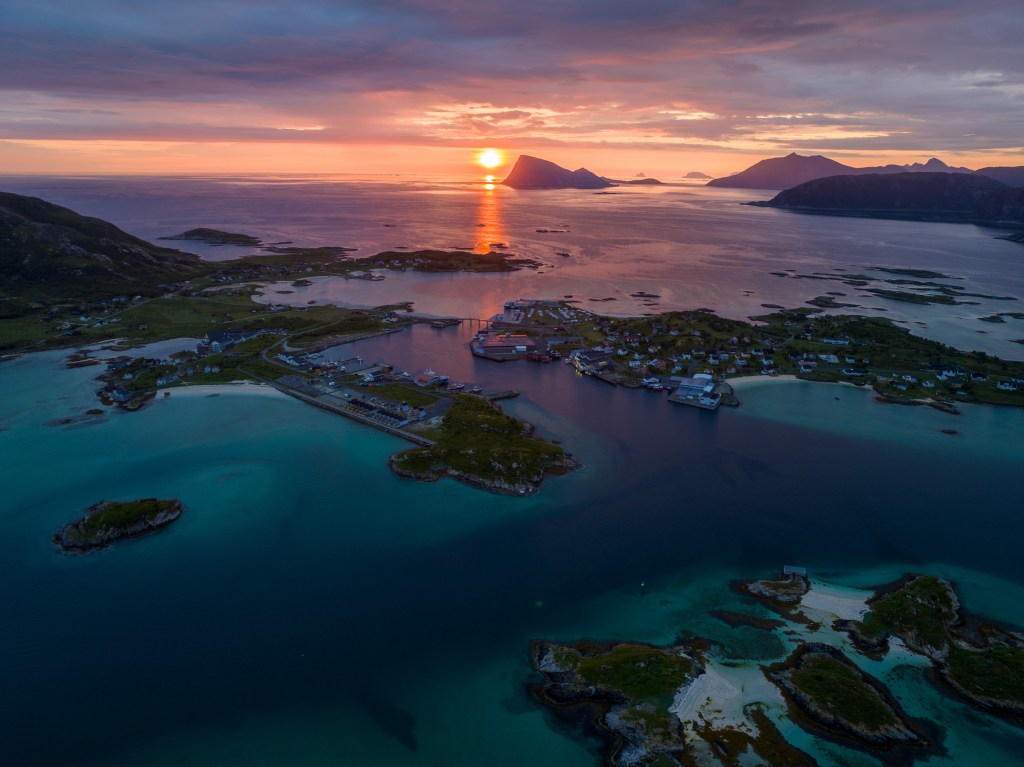
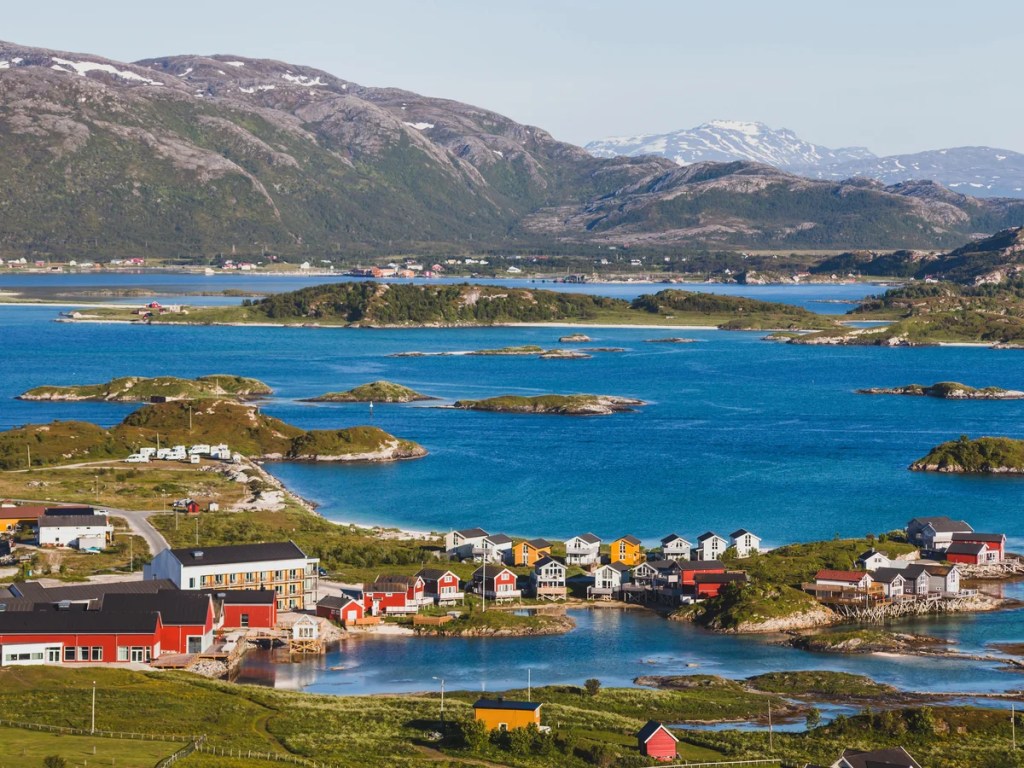
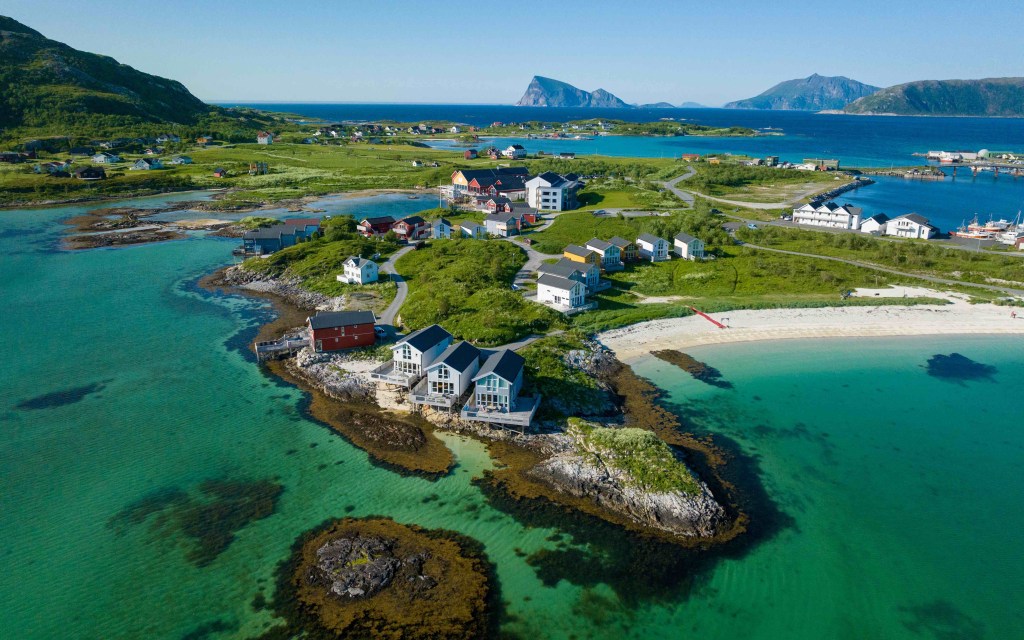
You’ve felt it the moment you stepped off the ferry-time doesn’t behave here like it does elsewhere. The sun hangs in the sky at midnight, casting golden hues across the red fishing huts and still waters, refusing to dip below the horizon for weeks on end. This unbroken daylight scrambles your internal clock, making mornings and evenings feel like arbitrary concepts. Your body expects darkness to signal rest, but here, the sun remains a constant companion from May to July. Islanders speak of working late into the “night” without fatigue, children playing at 11 PM, and meals shifting based on hunger, not the clock. The absence of nightfall dissolves routine, replacing it with a rhythm dictated by light, not digits.
A Community That Stopped the Clock
Time, as measured by hands on a dial, holds little power in Sommarøy. Locals often remove watches or leave clocks unwound, choosing instead to follow natural cues. One resident told me they haven’t worn a watch in 17 years, relying on the sun’s position and daily tasks to guide their day. Schools adjust schedules based on light, fishermen set out when the tide allows, not when the alarm rings. This deliberate rejection of mechanical time isn’t rebellion-it’s adaptation. You begin to notice how freeing it feels to ask, “When are you hungry?” instead of “What time is dinner?” The island’s campaign to become the world’s first time-free zone reflects a deeper desire: to reclaim life from the tyranny of the schedule.
The Psychological Weight of Perpetual Day
Not every effect of endless sunlight is positive. Without darkness, your brain struggles to produce melatonin, the hormone that regulates sleep. Insomnia and disrupted sleep patterns are common, even among lifelong residents. Some families use blackout curtains, not for privacy, but to simulate night. You might find yourself unusually alert at 2 AM, only to crash mid-afternoon. The same light that enables freedom can also disorient. Yet, the community has developed coping strategies-quiet hours, shared mealtimes, and a cultural understanding that rest matters more than punctuality. It’s a delicate balance between embracing the extraordinary and protecting mental well-being.
The Geography of Eternal Day
Positioned Beyond the Arctic Circle
You stand where the sun refuses to set for months, a reality shaped by Sommarøy’s placement just north of the Arctic Circle at approximately 69 degrees latitude. This positioning means the island experiences the midnight sun from late May to late July, when daylight persists around the clock. The sun arcs across the sky without dipping below the horizon, casting a golden glow that blurs the boundaries between morning and night. Your sense of time begins to unravel as natural light floods the landscape even at what would traditionally be midnight.
The Disappearance of Night
During the peak of the midnight sun period, complete darkness does not fall for nearly two months, disrupting circadian rhythms and daily routines. Streetlights remain unlit, not out of energy conservation but because they are unnecessary. Children play outside at 11 p.m., fishermen haul in their catch under a bright sky, and locals adjust their lives to a rhythm dictated by the sun’s arc, not the clock. You may find it disorienting at first-your body expecting night, but your eyes seeing only endless day.
Seasonal Extremes and Human Adaptation
The flip side of eternal daylight is the winter’s polar night, when the sun does not rise above the horizon for weeks. This contrast forces residents to adapt to two opposing realities within a single year. You learn to embrace both extremes: the boundless energy of summer’s light and the introspective stillness of winter’s dark. Some locals report higher energy and improved mood during the midnight sun, while others acknowledge the difficulty of sleeping without natural darkness. Blackout curtains become imperative, not for privacy, but for survival of routine.
A Landscape That Defies Convention
The island’s terrain-rocky shores, turquoise waters, and windswept hills-appears almost surreal under constant sunlight. Colors seem intensified, shadows stretch unnaturally, and the sea glimmers without pause. You begin to understand why some residents argue that traditional timekeeping feels artificial here. The natural environment operates on its own rhythm, one that renders clocks and schedules almost obsolete. In this place, time isn’t measured in hours, but in tides, light, and the slow turning of the Earth itself.
The Biological Reality of Light
How Light Shapes Your Body’s Rhythm
Light isn’t just what lets you see-it’s a signal your body reads like a clock. In Sommarøy, where the sun doesn’t set for months, that signal vanishes. Your brain relies on natural light cycles to regulate melatonin, the hormone that tells you when to sleep. Without darkness, melatonin production falters, disrupting your circadian rhythm. This isn’t just about feeling groggy-it can lead to long-term sleep disorders, mood imbalances, and weakened immune function.
Living Without Nightfall
You might think endless daylight sounds idyllic, but your biology wasn’t built for it. In Sommarøy, residents often report difficulty falling asleep, even when exhausted. The absence of a clear day-night boundary confuses your internal clock. Some islanders use blackout curtains or wear sleep masks to simulate night. These adaptations are more than comfort-they’re necessary tools to protect mental and physical health in an environment that defies human biology.
The Surprising Benefits of Disruption
Paradoxically, this constant light has led to unexpected shifts in behavior. Without rigid time constraints, people in Sommarøy often structure their days around tasks, not clocks. This flexibility can reduce stress for some, creating a more intuitive, less pressured relationship with time. Yet this freedom comes with risks: irregular eating, inconsistent sleep, and social schedules that drift apart. Your body may adapt to some degree, but it never fully ignores the need for rhythm.
The Tourism Campaign and the Truth
The Birth of a Global Story
You first heard about Sommarøy’s time-free life through a viral campaign that painted the island as a utopia unbound by clocks. A petition signed by locals claimed they were seeking official recognition as a “time-free zone,” capturing imaginations worldwide. This narrative spread rapidly across major media outlets and social platforms, turning a quiet fishing community into a symbol of resistance against modern life’s relentless pace. The campaign’s emotional appeal-children playing past midnight in summer light, elders dining at 2 a.m. without concern-struck a chord with people exhausted by schedules and deadlines.
The Reality Behind the Rhetoric
What you weren’t told initially is that the campaign was more performance than policy. No official application to abolish time was ever submitted to the Norwegian government, and the petition functioned more as artistic protest than legal initiative. The islanders, led by local activist Kjell Ove Hveding, used the idea of “no time” to spotlight their unique natural rhythm-the polar day and night cycles that already disrupt conventional timekeeping. Their message wasn’t about eliminating clocks entirely, but about reclaiming autonomy over daily life in a place where sunlight dictates activity, not the hour hand.
The Impact on the Island
Tourism surged almost overnight, and that brought both opportunity and risk. Visitor numbers increased by over 300% in the two years following the campaign, straining the island’s limited infrastructure. Small homes were converted into guesthouses, and seasonal workers arrived to meet demand. While the economy benefited, some residents expressed concern that the very peace they celebrated was being eroded by the crowds it attracted. The irony wasn’t lost on them: a movement born to escape time’s tyranny now threatened to import its pressures through over-commercialization.
What the Campaign Revealed
You begin to see that Sommarøy’s story is less about abolishing time and more about redefining it. The campaign succeeded not because it changed laws, but because it challenged assumptions. It forced a global audience to question why time governs so much of daily existence, even in places where nature operates on a different logic. The island didn’t win official time-free status, but it gained something more lasting: a platform to share a different way of living, one shaped by light, seasons, and community rather than minutes and appointments.
The Philosophy of Being
Living Beyond the Clock
You step onto the island and feel it immediately-the absence of urgency. No ticking, no beeping, no glances at a wrist. In Sommarøy, time doesn’t vanish, but its grip loosens. The decision to live without clocks isn’t rebellion-it’s reclamation. You’re invited to experience duration not in minutes, but in tides, in light, in the slow arc of the sun that lingers for months. This isn’t laziness; it’s a deliberate shift from measuring life to living it.
The Weight of Minutes
Time, as most of the world knows it, is a burden you’ve carried without realizing. Each appointment, each deadline, each alarm-it fragments your attention, your peace. In contrast, Sommarøy residents speak of tasks completed when they feel right, not when the clock demands. There’s no rush to eat dinner at six or wake at seven. You begin to question whether punctuality has been mistaken for purpose. Here, the rhythm of the body and the environment guide the day, not a digital display.
Presence Over Productivity
Productivity loses its throne on this island. You notice children playing long after dusk because no one told them it was bedtime. Fishermen return when the nets are full, not when the shift ends. This is not inefficiency-it’s integrity. Your sense of accomplishment starts to untangle from output. Instead, you find value in stillness, in conversation, in watching the sky shift from gold to violet without checking your phone. The absence of timepieces reveals how much presence you’ve sacrificed to schedules.
The Risk of Reawakening
What makes this way of life dangerous isn’t its impracticality-it’s its appeal. Once you’ve tasted a day unbroken by alarms, returning to rigid timekeeping feels like a kind of amnesia. The real risk is remembering how free you can feel. You start to wonder: if an entire community can reject the tyranny of the clock, why can’t others? The phenomenon isn’t just about Norway’s northern lights or polar days-it’s about human potential under different conditions. You begin to suspect that time, as we’ve been taught to obey it, may be the greatest illusion of modern life.
Final Words
Drawing together the threads of life on Sommarøy, you see a community redefining time not through technology or ideology, but through lived experience. For months each year, the sun never rises or sets, dissolving the rigid structure of clocks and schedules into shared rhythm and natural light. You begin to question whether time governs life or simply reflects it. In choosing to live without watches, the islanders offer not an escape, but an alternative-one rooted in presence, connection, and the slow pulse of the Arctic.
FAQ
Q: What is the Sommarøy Phenomenon and why is it unique?
A: The Sommarøy Phenomenon refers to a campaign started by residents of Sommarøy, a small island in northern Norway, to abolish the traditional concept of time. Located above the Arctic Circle, the island experiences extreme variations in daylight: nearly two months of continuous daylight in summer and about a month of total darkness in winter. This natural cycle disrupts conventional daily schedules. Inspired by this rhythm, locals proposed living without clocks, calendars, or fixed work hours. The idea gained international attention as a radical rethinking of how time governs modern life. The uniqueness lies in a community actively challenging industrialized timekeeping in favor of aligning life with natural light patterns.
Q: How do people in Sommarøy manage daily life without clocks?
A: Residents base their routines on natural cues rather than strict schedules. During the long summer days, people often work, socialize, or engage in activities based on energy levels and sunlight, not the clock. Schools and local businesses adjust hours seasonally, allowing flexibility. In winter, when darkness lasts for weeks, community gatherings and indoor activities help maintain social rhythm. While official services still follow national time standards, the campaign encourages a mindset shift-prioritizing well-being over rigid timetables. Many islanders report feeling less stressed and more in tune with their environment.
Q: Has the Norwegian government recognized the time-free initiative?
A: The Norwegian government has not officially abolished timekeeping in Sommarøy. The proposal remains a symbolic and cultural movement rather than a legal change. However, it has sparked national and international dialogue about work-life balance, mental health, and the impact of rigid time structures. Local authorities support the idea as a way to promote tourism and highlight Arctic living conditions. The campaign’s founder, Kjell Ove Hveding, has presented the concept to policymakers, not to eliminate time entirely, but to inspire flexible approaches in education and labor, especially in remote regions with extreme natural cycles.