




The global economy drives everything from the price of your groceries to international trade agreements and job markets. Understanding these complex financial systems doesn’t require a finance degree when you break them down into simple, digestible concepts.
Global markets shape how you work, spend, and plan for the future. Inflation can erode savings, while trade agreements open new opportunities. Geopolitical conflicts pose serious risks to stability. You’ll learn how central banks, currencies, and supply chains interact. This guide breaks down complex forces into clear, actionable insights-no prior knowledge needed.
Primary Types of Economic Systems Worldwide
- Market economies rely on supply and demand to guide production and pricing.
- Command economies are controlled by government authorities making centralized decisions.
- Mixed economies combine elements of both market and command systems.
- Private ownership drives innovation in free enterprise systems.
- Central planning determines resource allocation in planned economies.
| System Type | Key Feature |
| Market Economy | Decisions driven by consumer choice and competition |
| Command Economy | Government controls production and distribution |
| Mixed Economy | Combines private enterprise with public regulation |
| Free Enterprise | Emphasizes minimal government intervention |
Characteristics of Market Economies and Free Enterprise
You operate within a system where prices emerge from competition between buyers and sellers. Private property rights allow individuals to own assets and businesses, fueling investment and growth. Profit incentives encourage innovation, while market signals guide resource use efficiently. Limited government involvement preserves economic freedom.
Competition keeps businesses accountable to consumers. When supply meets demand, prices stabilize naturally. Free enterprise thrives where regulations don’t stifle initiative. After observing how dynamic markets adapt, you begin to see their resilience in action.
The Mechanics of Command Economies and Central Planning
A central authority dictates what goods are produced, how much, and at what price. State ownership of industries removes private competition, aiming for equitable distribution. Planners set national priorities, often focusing on heavy industry or military output over consumer needs.
You may notice inefficiencies like shortages or surpluses due to inaccurate forecasting. Without price signals, resource misallocation is common. After decades of practice, many command systems struggled with stagnation.
Central planning requires massive bureaucratic oversight, which often leads to slow responses and reduced innovation. When the state controls wages, prices, and production targets, individual initiative diminishes. Top-down decision-making can suppress regional needs and consumer preferences, resulting in long-term economic strain.
The Rise of Mixed Economies in Modern Governance
Most nations today adopt a blend of market freedom and government oversight. Social safety nets coexist with private enterprise, balancing efficiency and equity. Regulations prevent monopolies while public services support health, education, and infrastructure.
You benefit from both economic choice and public protections. Markets drive innovation, while government steps in during crises or market failures. After witnessing extremes of pure systems, societies increasingly favor balance.
Mixed economies allow flexibility-governments can tax, spend, and regulate to stabilize business cycles. Public-private partnerships deliver complex projects, from transportation to energy. This hybrid model dominates global practice because it adapts to changing social and economic demands.
Key Factors Influencing Global Economic Stability
Global economic stability hinges on a network of interconnected forces that shape growth, trade, and financial confidence. Interest rates, inflation levels, and exchange rate fluctuations directly impact investment decisions and consumer spending across borders. Trade policies and geopolitical tensions influence market predictability, while technological innovation alters productivity and competitive advantages. International institutions and monetary cooperation help manage crises. Assume that
- Shifts in demographics affect labor supply and economic output
- Uneven natural resource distribution drives commodity dependency
- Political stability determines investor confidence and policy continuity
- Institutional strength ensures transparent regulation and rule of law
Demographic Shifts and Labor Market Dynamics
Population aging in advanced economies reduces the active workforce, increasing pressure on pension systems and healthcare spending. Younger populations in developing regions offer growth potential but require substantial job creation. Labor mobility, education levels, and automation trends reshape employment structures. Declining birth rates in countries like Japan and Germany slow long-term growth prospects. Assume that
Natural Resource Distribution and Commodity Pricing
Access to oil, gas, and critical minerals determines energy security and industrial capacity. Nations rich in resources often face price volatility that disrupts budgets and trade balances. Global demand shifts, especially from emerging markets, influence commodity pricing cycles. Export-dependent economies suffer when prices drop suddenly. Assume that
Resource abundance does not guarantee prosperity-mismanagement can lead to corruption and economic distortion. Countries like Norway use sovereign wealth funds to stabilize revenues, while others experience the resource curse, where wealth fuels conflict or undermines other sectors. Transparent governance and diversified economies reduce dependency risks. Your understanding of supply chains must include how extraction, transportation, and environmental policies affect availability and cost.
Political Stability and the Strength of Institutional Frameworks
Consistent governance enables predictable policy environments that attract foreign capital. Frequent leadership changes or civil unrest deter investment and disrupt markets. Independent judiciaries, anti-corruption measures, and clear regulatory processes build trust. Weak institutions often correlate with economic stagnation and aid dependency. Assume that
Strong institutions enforce contracts, protect property rights, and maintain central bank independence. These elements prevent arbitrary decision-making and foster long-term planning. When leaders respect term limits and legal checks, markets respond with increased confidence. Your assessment of any economy should begin with how power is exercised and constrained-this shapes every financial and social outcome that follows.
The Influence of International Financial Institutions
The Mandate and Funding of the International Monetary Fund (IMF)
You rely on the IMF to ensure global monetary cooperation and financial stability. Its primary mandate includes monitoring economies, offering policy advice, and providing temporary financial assistance to nations facing balance-of-payments issues. This support comes with conditions aimed at restoring economic health.
Member countries contribute funds based on their economic size, giving larger economies more voting power. The IMF’s lending can prevent economic collapse, but its structural adjustment requirements often spark debate over social impacts in recipient nations.
World Bank Initiatives for Global Infrastructure Development
You benefit from the World Bank’s long-term financing for infrastructure like roads, power, and water systems in developing countries. These projects aim to reduce poverty and stimulate sustainable growth through targeted investments.
Loans and grants are often paired with technical expertise to ensure effective implementation. Its focus on climate-resilient infrastructure marks a shift toward greener development, aligning with global environmental goals.
World Bank initiatives extend beyond construction to include institutional strengthening and policy reform. You see results in improved access to electricity in rural Africa or flood-resistant transport networks in South Asia. By prioritizing inclusive growth, the Bank helps countries build foundations for lasting economic progress, not just physical assets.
The Role of the World Trade Organization (WTO) in Dispute Resolution
You depend on the WTO to enforce rules that keep international trade fair and predictable. When countries clash over trade policies, the WTO offers a structured process to resolve conflicts through impartial panels and expert review.
Decisions are binding unless overturned by consensus, making it one of the most effective mechanisms for upholding global trade law. This system prevents unilateral retaliation and protects smaller economies from unfair pressure.
The WTO’s dispute system acts as a check on protectionism, ensuring no nation can easily impose trade barriers without justification. You gain from its transparency and legal rigor, which discourage trade wars. While slow at times, its rulings reinforce a rules-based order that benefits all members, especially those with less political leverage.
Pros and Cons of Economic Globalization
Globalization reshapes how nations interact economically, offering both opportunities and challenges. The following table outlines key advantages and disadvantages you should understand when evaluating its impact.
| Market Expansion | Businesses access international customers, increasing sales potential. |
| Innovation Acceleration | Cross-border collaboration drives technological advancement. |
| Lower Consumer Prices | Global competition reduces production costs and retail prices. |
| Greater Product Variety | Consumers enjoy diverse goods from around the world. |
| Efficient Resource Allocation | Capital and labor flow to where they are most productive. |
| Wealth Inequality | Gains often favor wealthy nations and individuals, widening gaps. |
| Local Industry Decline | Small producers struggle to compete with multinational firms. |
| Job Displacement | Manufacturing shifts overseas can lead to domestic unemployment. |
| Loss of Cultural Identity | Homogenized global markets may erode local traditions. |
| Increased Systemic Risk | Economic shocks spread faster across interconnected markets. |
Advantages: Market Expansion, Innovation, and Consumer Choice
You benefit directly when companies expand beyond borders. Market access allows firms to grow, increasing investment and employment in emerging economies. This expansion fuels competition, pushing businesses to improve quality and reduce prices.
Innovation thrives in a connected world. Ideas cross borders faster, leading to faster technological adoption and collaborative research. You experience this through better products, from smartphones to medical treatments, available sooner and often at lower cost.
Disadvantages: Wealth Inequality and the Vulnerability of Local Industries
Wealth generated by globalization rarely spreads evenly. A small percentage of individuals and nations capture most gains, leaving others behind. Workers in low-skill industries face wage stagnation or job loss as production moves to lower-cost regions.
Local businesses often can’t match the scale or pricing of global corporations. This imbalance threatens community-based enterprises and reduces economic diversity in many regions.
When local industries shrink, entire communities suffer. The decline of domestic manufacturing or agriculture can lead to regional unemployment spikes and dependency on imports. This erosion weakens economic resilience and makes countries more vulnerable to supply chain disruptions or trade conflicts. Over time, reliance on foreign goods may undermine self-sufficiency and national stability.
Balancing National Sovereignty with Global Economic Integration
Nations must decide how much control to cede in exchange for global market access. Trade agreements often require policy changes that limit independent decision-making on taxes, regulations, or labor standards. You live under rules shaped as much by international bodies as by your own government.
Protecting sovereignty doesn’t mean rejecting integration. Smart policies allow participation in global trade while preserving key national interests like public health, environmental standards, and labor rights.
When countries join global economic systems, they agree to shared rules that can override domestic laws. This loss of autonomy can spark public backlash, especially if foreign investors gain legal privileges over local citizens. Maintaining democratic control while engaging globally requires careful negotiation and transparent governance.
Analyzing Global Financial Markets and Investment Vehicles
The Function and Volatility of Foreign Exchange (Forex) Markets
You interact with the Forex market every time you travel or buy goods from another country. Currencies fluctuate based on interest rates, political stability, and economic data, making this the largest and most liquid financial market in the world.
Volatility can spike during elections or central bank announcements, exposing investors to significant risk-but also potential gains. You must monitor macroeconomic trends closely, as even small shifts in sentiment can trigger rapid currency swings.
Global Stock Exchanges and the Performance of Multinational Equities
Stock exchanges like the NYSE, NASDAQ, and Tokyo Stock Exchange allow you to invest in multinational companies that generate revenue across borders. Their performance often reflects global economic health, not just domestic conditions.
When emerging markets grow, firms with international operations tend to see stronger earnings, boosting shareholder value. You benefit from diversification, but currency and geopolitical risks remain real threats.
These equities respond dynamically to supply chain shifts, trade policies, and consumer demand abroad. A company like Samsung or Nestlé may outperform during global upswings due to their wide reach, giving you access to growth beyond your home market. Watch regional economic indicators-they often signal turning points in multinational stock trends.
The Role of Sovereign Debt and the International Bond Market
Sovereign debt lets governments fund infrastructure, social programs, and deficits by issuing bonds to global investors. You can buy these bonds directly or through funds, gaining exposure to different economies and interest rate environments.
While U.S. Treasuries are seen as safe-haven assets, bonds from emerging nations offer higher yields-alongside greater default risk. Rating agencies influence prices, but sudden political changes can disrupt even highly rated debt.
These bonds shape global capital flows; when yields rise in one country, investors often shift money away from lower-yielding markets. You must assess not just interest rates, but also a nation’s fiscal discipline and external debt load-key factors in long-term bond performance.
Factors Shaping the Future of Digital Currencies and Fintech
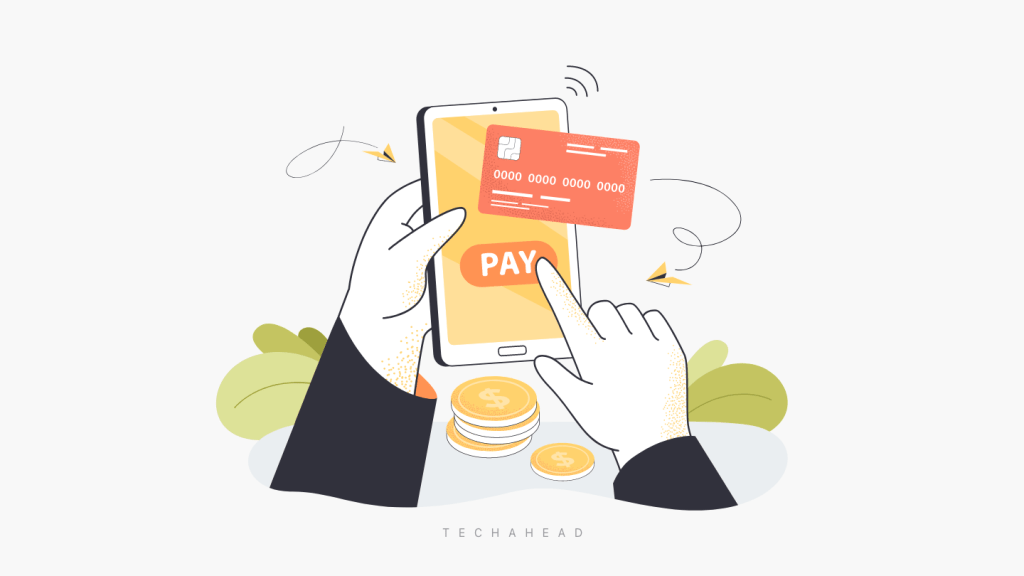
- Adoption of digital wallets is accelerating across emerging markets
- Regulatory frameworks are evolving to address risks in cryptocurrency exchanges
- Financial inclusion improves as mobile banking reaches unbanked populations
- Cybersecurity threats grow alongside the expansion of fintech platforms
- Central banks are testing digital currencies to modernize monetary systems
The Transition from Physical Currency to Digital Payment Ecosystems
Digital payment ecosystems now dominate consumer transactions in over 60 countries. You rely on contactless cards and mobile apps more than cash for daily purchases. This shift reduces transaction costs and increases transparency in financial flows. Governments benefit from better tax compliance as digital trails replace anonymous cash exchanges.
Still, privacy concerns intensify as every purchase becomes traceable. You may not realize how much spending data is collected and analyzed. While convenience drives adoption, the loss of anonymity in payments poses serious risks to personal freedom. Thou must weigh ease against exposure in this new reality.
Central Bank Digital Currencies (CBDCs) and Monetary Policy Evolution
CBDCs allow central banks to implement monetary policy with unprecedented precision. You experience faster stimulus distribution when governments send digital currency directly to citizen accounts. These systems reduce reliance on commercial banks and enable real-time economic adjustments during crises.
Programmable money introduces both opportunities and dangers. A central bank could set expiration dates on relief funds to boost spending, but also restrict usage of funds for certain goods. Thou face a future where your access to money may be conditional.
Central Bank Digital Currencies reshape how nations control money supply and respond to inflation. Unlike decentralized cryptocurrencies, CBDCs give governments full oversight of transactions. This centralized control enhances financial stability but risks enabling authoritarian oversight. Monetary policy evolves from interest rate adjustments to direct behavioral influence through code-driven currency rules. You live in an era where money itself becomes a policy tool.
The Economic Implications of Blockchain and Decentralized Finance
Blockchain eliminates intermediaries in lending, trading, and insurance. You gain access to global financial services without needing a bank. Smart contracts execute automatically, reducing fraud and settlement times. These systems promote efficiency but operate in regulatory gray zones.
Loss of investor protection is a major drawback in decentralized finance. Hacks on DeFi platforms have led to billions in losses with no recourse. Thou enter a space of high reward and higher risk.
Decentralized finance shifts economic power from institutions to individuals, enabling peer-to-peer transactions across borders. However, the lack of consumer safeguards and price volatility in crypto assets threatens financial stability. You must understand that transparency and immutability come with irreversible mistakes-sending funds to the wrong wallet means permanent loss. Blockchain’s promise is real, but its dangers are equally concrete.
Step-by-Step Approach to Global Asset Diversification
| Assess Risk Tolerance | Understand your comfort with market volatility and potential losses before investing abroad. |
| Define Investment Goals | Clarify whether you seek capital growth, income, or long-term wealth preservation. |
| Allocate by Region | Spread investments across developed and emerging economies to reduce country-specific risk. |
| Monitor Currency Exposure | Track exchange rate shifts that could amplify or erode returns on foreign holdings. |
| Review Regularly | Rebalance your portfolio annually to maintain target allocations and adapt to global changes. |
Identifying High-Growth Opportunities in Emerging Markets
You can uncover strong returns by focusing on countries with rising middle classes and expanding digital infrastructure. Nations in Southeast Asia, Africa, and Latin America often show above-average GDP growth, creating fertile ground for equity investments.
Local startups and tech hubs in these regions may outperform mature markets, but political instability remains a serious risk. Always research regulatory environments and currency controls before committing capital.
Hedging Against Currency Fluctuations and Regional Inflation
Inflation differentials between countries can silently erode your returns over time. When a foreign currency weakens due to high local inflation, your investment value in home currency terms may shrink dramatically.
You can protect gains by using currency-hedged funds or holding assets in stable foreign currencies like the Swiss franc or Singapore dollar. These tools reduce exposure to sudden devaluations in high-inflation regions.
Some investors overlook inflation-linked bonds issued by emerging governments, which offer built-in protection against rising prices. These securities adjust principal values based on local inflation rates, preserving purchasing power while delivering steady yields. Including them balances risk without sacrificing growth potential.
Selecting International Mutual Funds and Exchange-Traded Funds (ETFs)
International funds simplify access to foreign markets without requiring direct stock picking. ETFs often have lower fees and real-time pricing, making them efficient choices for global exposure.
You should compare expense ratios, tracking error, and geographic focus before investing. Funds concentrated in a single region carry higher risk than broadly diversified ones.
Many top-performing global ETFs replicate indexes like the MSCI EAFE or FTSE Emerging Markets, offering instant diversification across dozens of countries. These funds typically hold large, established companies with proven international revenue streams, giving you stable entry points into foreign economies without speculative bets.
Pros and Cons of Foreign Direct Investment (FDI)
Foreign Direct Investment shapes economies by channeling capital across borders, but it carries both rewards and risks. You must weigh these carefully to understand its full impact.
| Pros | Cons |
| Access to new markets expands business reach | Regulatory changes can disrupt operations |
| Technology transfer boosts local productivity | Geopolitical tensions may endanger assets |
| Job creation reduces unemployment in host countries | Profit repatriation drains local capital |
| Infrastructure development follows major investments | Overdependence on foreign firms weakens autonomy |
| Improved managerial practices enhance efficiency | Sudden policy shifts increase financial risk |
| Stimulates domestic supply chains and SMEs | Cultural clashes may affect workplace cohesion |
| Long-term capital stabilizes developing economies | Environmental standards may be compromised |
| Encourages innovation through competition | Local firms may be crowded out |
| Strengthens bilateral trade relationships | Currency fluctuations impact returns |
| Builds human capital via training programs | Political instability can lead to expropriation |
Benefits for Host Countries: Technology Transfer and Job Creation
Technology transfer through FDI introduces advanced production methods you wouldn’t otherwise access quickly. Foreign firms often bring cutting-edge equipment and digital systems that raise industry standards. This knowledge spreads to local suppliers and workers, creating a ripple effect of innovation. You benefit not just from jobs, but from higher-skilled, better-paying positions that elevate entire communities.
Risks for Investors: Regulatory Shifts and Geopolitical Tension
Regulatory shifts can alter the investment climate overnight. You may face sudden tax hikes, ownership restrictions, or licensing changes that undermine profitability. These are especially common in emerging markets where legal frameworks evolve rapidly. Geopolitical tension adds another layer-conflicts or diplomatic disputes can freeze assets or trigger sanctions, putting your capital at serious risk.
Changes in leadership or policy direction often catch investors off guard. You must monitor political developments closely, as even democratic transitions can result in unpredictable economic reforms. Countries rich in resources or strategic location are more prone to intervention, making due diligence crucial before committing funds.
Long-term Impact on Domestic Competition and Economic Autonomy
Heavy reliance on foreign firms may weaken your domestic enterprises over time. Large multinationals can outspend local businesses, leading to market dominance and reduced competition. This imbalance limits innovation and consumer choice. You risk creating an economy shaped by foreign priorities, not local needs.
Sustained FDI dominance may erode economic sovereignty. When key sectors-like energy or telecom-are controlled by foreign entities, your government’s ability to set independent policy diminishes. Strategic industries falling under foreign control can compromise national interests, especially during global crises. You must balance openness with safeguards to protect long-term autonomy.
Factors Affecting Global Supply Chain Resilience
Global supply chains face constant pressure from geopolitical tensions, climate events, and trade policy shifts. Your ability to adapt depends on understanding these external shocks and building flexibility into operations. Investments in diversified sourcing and regional hubs strengthen resilience, reducing dependency on single corridors. Technology and skilled labor also play a decisive role in maintaining flow during disruptions. Thou can access foundational knowledge through Learn macro and international economics for free, a resource designed to clarify complex global dynamics.
- Geopolitical instability impacts shipping routes and trade agreements
- Climate-related disasters disrupt production and transport
- Digital infrastructure enables real-time tracking and faster response
- Trade regulations influence cost, speed, and compliance
- Labor availability affects manufacturing capacity and logistics performance
The Role of Logistics and Infrastructure in International Shipping
Efficient ports, reliable rail networks, and modern customs systems determine how quickly goods move across borders. Poor infrastructure creates bottlenecks that amplify delays, especially during crises. Your supply chain’s performance hinges on the quality of these physical and administrative systems. Strong logistics reduce transit times and lower the risk of spoilage or stockouts.
Transitioning from Just-in-Time to Just-in-Case Manufacturing
Companies once favored lean inventories to cut costs, but recent disruptions exposed the fragility of just-in-time models. You now see a shift toward just-in-case strategies, where safety stock and redundant suppliers buffer against shocks. This change increases upfront costs but improves reliability.
Building inventory buffers allows you to maintain operations during port closures or supplier failures. The move reflects a broader reassessment of efficiency versus stability. While storage and capital costs rise, the payoff comes in uninterrupted delivery and customer trust.
Technological Integration in Real-Time Inventory and Distribution
Cloud-based platforms and IoT sensors now enable continuous monitoring of stock levels and shipment locations. You gain visibility across tiers of suppliers, allowing faster decisions during disruptions. Automation reduces human error and accelerates response to demand shifts.
Real-time data helps you adjust routes, reroute shipments, and predict shortages before they occur. Systems using AI analyze patterns to suggest optimal inventory levels. This level of insight transforms reactive logistics into proactive management.
To wrap up
Considering all points, you now hold a clear understanding of the global economy’s structure, key players, and driving forces. This guide has equipped you with foundational knowledge on trade, currency, economic indicators, and major institutions. You can identify how nations interact economically and recognize patterns that influence growth and stability. The information presented prepares you to follow real-world economic events with greater insight and confidence.
FAQ
Q: What topics are covered in the ‘Detailed Global Economy Guide for Beginners’?
A: The guide introduces core concepts like supply and demand, inflation, exchange rates, trade balances, and economic indicators such as GDP and unemployment rates. It explains how countries interact through international trade and investment, and it covers the roles of institutions like the World Bank, IMF, and central banks. Real-world examples from different regions-such as the U.S. Federal Reserve’s interest rate decisions or the European Union’s single market-help illustrate how economic systems function. The content is structured to build understanding step by step, starting with basic principles and moving into broader global dynamics.
Q: How does this guide help someone with no prior economics knowledge?
A: Each concept is broken down using plain language and everyday analogies, avoiding technical jargon whenever possible. For instance, inflation is explained by comparing it to rising grocery prices over time. The guide includes visual aids like simple charts and diagrams to clarify trends and relationships. Practice exercises and real-life scenarios-like how a weak currency affects travel costs or import prices-help readers connect theory to personal experience. Readers can progress at their own pace, with summaries at the end of each section reinforcing key takeaways.
Q: Can this guide help me understand current global economic events?
A: Yes. The guide provides the foundational knowledge needed to follow news about recessions, trade wars, or energy price shifts. It teaches how to interpret economic reports and headlines-such as what a central bank rate cut means for loans or why supply chain issues affect product availability. By understanding the basic mechanics behind global markets, readers gain confidence in analyzing events like currency fluctuations or international sanctions. The guide also includes a section on tracking reliable economic data sources, so readers can stay informed independently.
This is not investment advice!