




Detailed Marvel Guide for Beginners stands as your ultimate portal into the vast, interconnected world of the Marvel Cinematic Universe and comic book lore. Whether you are trying to understand the complex chronological watch order or discover the origins of your favorite superheroes, this starting point will transform you from a curious newcomer into a true Marvel expert in no time.
You start your journey into the Marvel universe by understanding its most important characters like Iron Man, Captain America, and Thor. Some storylines carry dangerous stakes that reshape entire worlds, while others deliver positive messages about courage and unity. This guide walks you through origins, key films, and connections that define the experience.
A Step-by-Step Guide to Navigating Your First Comic Shop
| Locating New Releases and Weekly Pull Lists | Understanding the Back Issue Filing System |
| Engaging with Staff for Expert Recommendations |
Locating New Releases and Weekly Pull Lists
Each Wednesday brings fresh Marvel comics to shelves, marked clearly in most shops. Look for the “New This Week” display near the counter-this is where current issues land. If you’re on a pull list, your reserved comics are typically stored in labeled bins or bags behind the counter. Simply ask the staff for your pull, and they’ll hand you the latest issue of your favorite series.
Being on a pull list ensures you never miss an important story arc or limited run. Shops hold your comics for a set period, so picking them up regularly prevents losing your spot. Ask about signing up when you find a title you love-many stores make it easy and free to join.
Understanding the Back Issue Filing System
Back issues are usually organized alphabetically by title, then numerically by issue number. You’ll find long boxes labeled with series names like “Amazing Spider-Man” or “Avengers.” Flip through carefully, keeping covers facing up to maintain order. Some shops also separate key issues-like first appearances or major events-into protective sleeves or cases.
These key issues can be surprisingly valuable, so handle them with care. Damaging a rare copy could cost the shop or collector significantly. Always use clean hands and avoid bending pages.
Marvel’s back issues often contain origin stories or pivotal moments not found in modern reprints. Finding a well-preserved copy of “The Amazing Spider-Man #1” or “Iron Man #1” can deepen your appreciation of a character’s journey. Staff often track high-demand issues, so don’t hesitate to ask where to look.
Engaging with Staff for Expert Recommendations
Shop employees are usually longtime fans who know the Marvel universe inside out. If you’re unsure where to start with a character, ask directly-“What’s the best place to begin with Doctor Strange?”-and you’ll likely get a thoughtful, personalized answer. Their suggestions are often based on story quality, not just sales.
These conversations can lead to unexpected discoveries, like hidden gem limited series or underrated runs. Be open about your interests-whether you love action, drama, or cosmic adventures-and they’ll point you to the right shelf.
Staff recommendations often reflect deep knowledge of continuity and character evolution. They can warn you about confusing storylines or highlight issues with standout art or writing. Building a rapport means you’ll get better suggestions over time-and might even get a heads-up on incoming stock.
Crucial Tips for Deciphering Complex Character Histories
Marvel characters often span decades of storytelling, with shifting identities, powers, and moral alignments. To stay grounded, focus on core character traits that persist across eras, such as Tony Stark’s intellect or Steve Rogers’ integrity. Use key story arcs as anchors-events like “Civil War” or “Infinity Gauntlet” often redefine relationships and motivations. Pay attention to creative teams, since writers and artists shape how a character evolves. Recognizing these patterns helps you separate fleeting changes from lasting development.
- Track major story arcs to understand turning points in a character’s journey
- Identify defining creators whose runs established a character’s modern identity
- Watch for symbolic motifs, like Spider-Man’s responsibility theme or Thor’s worthiness
- Consult publication timelines to distinguish between in-universe chronology and real-world release order
Utilizing Digital Databases and Official Handbooks
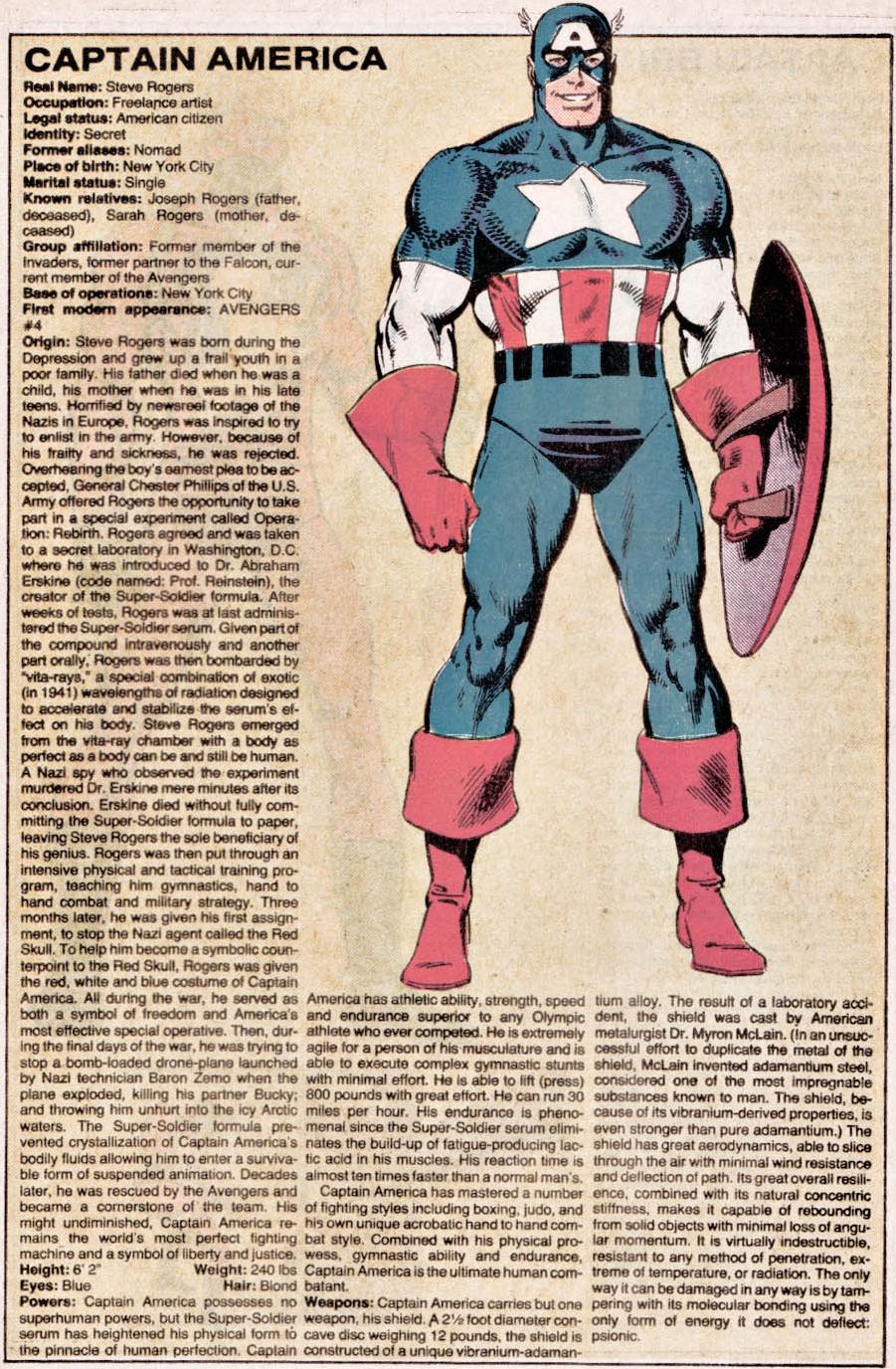
Marvel’s official website and apps like Marvel Unlimited offer curated reading paths and character bios. These tools highlight necessary issues and clarify continuity links across series. Accessing annotated archives helps you avoid confusion from overlapping storylines.
You can filter content by era, team affiliation, or event, making it easier to follow a single hero’s evolution. Verified handbooks often correct common misconceptions about power levels or origins. Relying on these resources ensures you build knowledge on accurate foundations.
Following Character Legacy and Title Successions
Legacy matters in Marvel-anyone can become Iron Fist, Captain America, or even Thor. Succession isn’t random; it reflects thematic continuity and earned honor. New bearers inherit not just powers, but the moral weight of the role.
Sam Wilson stepping into Captain America’s shield or Jane Foster wielding Mjolnir aren’t gimmicks-they’re narrative statements about identity and worth. Understanding who held a title and why they earned it deepens your appreciation of current storylines.
Each legacy shift is rooted in character growth and narrative purpose, not just marketing. When a hero passes a mantle, it often signals a transformation in values or a response to global threats. These transitions honor the past while pushing the universe forward, showing that heroism evolves.
Distinguishing Between Reboots and Soft Relaunches
Marvel rarely erases continuity completely. A soft relaunch keeps past events intact while refreshing costumes, tone, or team rosters. In contrast, a reboot-like 1996’s Marvel Knights or 2015’s Secret Wars-can reset timelines or merge universes.
Soft relaunches are more common and allow new readers to jump in without losing decades of history. Recognizing the difference prevents confusion when characters seem to restart their journeys.
Reboots create alternate realities or temporary status quos, but core histories usually return. Soft relaunches, however, are the standard method for modernizing stories while preserving emotional stakes and long-term arcs. Knowing this helps you stay oriented without feeling lost.
Pros and Cons of Following Chronological Release Orders
Understanding how to approach the Marvel Cinematic Universe can shape your entire viewing experience. One popular method is following the chronological release order, which mirrors how audiences originally encountered the stories. This approach preserves the cultural impact and surprises that unfolded over time. Below is a breakdown of the key advantages and disadvantages to help you decide.
| Preserves original release surprises | May disrupt narrative continuity |
| Reflects real-time fan excitement | Introduces characters before their origin stories |
| Shows evolving production quality | Can create timeline inconsistencies |
| Aligns with award recognition patterns | Limits early access to later-revealed lore |
| Maintains directorial context of each era | May confuse viewers with abrupt tonal shifts |
| Highlights gradual character development | Some plot points feel outdated by modern standards |
| Offers insight into marketing strategies | Post-credit scenes may lose impact |
| Encourages appreciation of period-specific themes | Shared universe connections appear disjointed |
| Builds anticipation as story arcs unfold slowly | Releases don’t always match internal timeline order |
| Allows you to experience twists as intended | Can delay payoff for long-running arcs |
Maintaining the Original Mystery and Suspense
Marvel crafted many reveals with precision, trusting audiences to piece things together over time. Watching films in release order means you encounter twists-like Loki’s survival or the identity of the Mandarin-without prior knowledge. This preserves the emotional impact that early viewers felt.
You experience each surprise as it was meant to unfold. The slow drip of information across years builds genuine anticipation. Avoiding modern leaks is harder now, but release order gives you the closest thing to an authentic 2008-2023 journey.
Observing the Technical Evolution of Storytelling
Marvel’s storytelling matured alongside advances in visual effects and narrative structure. Starting with *Iron Man*’s grounded tech focus and moving toward the multiverse chaos of *Loki*, you witness a clear progression. This order highlights how budget, technology, and creative confidence expanded over time.
You see early limitations give way to ambitious world-building. The shift from standalone origins to interconnected sagas becomes more apparent. Recognizing this growth adds depth to your appreciation of later, more complex entries.
Marvel began with modest ambitions, using practical effects and tight scripts to establish character-driven stories. As box office success grew, so did the scale of production. You notice improvements in CGI, cinematography, and editing techniques with each passing phase. These changes aren’t just cosmetic-they reflect a studio learning how to balance spectacle with emotional stakes, making later crossovers feel earned rather than overwhelming.
Managing Potential Spoilers in Modern Media
Release order acts as a shield against accidental spoilers. Major character returns, deaths, and post-credit teases were designed to be experienced fresh. Viewing in this sequence minimizes the risk of stumbling upon reveals that later films or shows casually reference.
You protect the integrity of pivotal moments like Thanos’ first appearance or the Avengers’ formation. In an age where social media spreads spoilers instantly, this approach offers a rare chance to experience shock and wonder as they were originally intended.
Modern streaming and viral marketing make avoiding spoilers nearly impossible. Release order gives you a structured path where surprises unfold naturally. You avoid situations where a minor character’s future importance is spoiled by later content. This method respects the creators’ pacing and protects the emotional weight
Key Factors in Identifying High-Value Collectibles
- Pay close attention to comic book grading, as it directly affects market worth
- Seek out first appearances of iconic characters-they often command premium prices
- Look for limited edition variant covers, especially those with low print runs
- Verify authenticity through reputable grading services like CGC or PGX
- Consider historical significance and cultural impact when evaluating potential value
The collector who understands these signals gains a clear edge in spotting true rarities.
Assessing Comic Book Grading and Condition
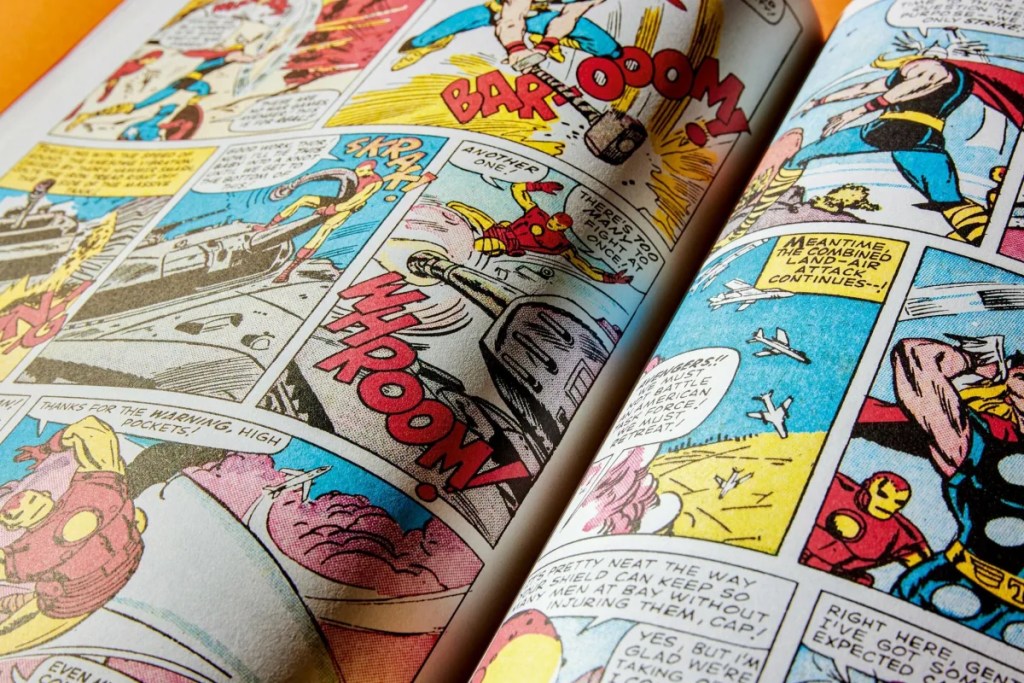
Grading determines how well-preserved your comic remains over time. A 9.8 NM/MT rating from a certified service can multiply value exponentially compared to lower grades.
Even minor flaws like spine stress or discoloration reduce desirability. The
The Impact of First Appearances on Market Value
First appearances mark the debut of legendary characters and are among the most sought-after issues. A copy of Amazing Fantasy #15, introducing Spider-Man, exemplifies how origin stories drive intense demand.
These milestones often appreciate steadily, especially when tied to major film releases. The
When a character explodes in popularity through movies or streaming, their first comic appearance becomes a magnet for investors and fans alike. The cultural weight behind these issues transforms them into blue-chip assets within the hobby.
Understanding Limited Edition Variant Covers
Limited edition variant covers are printed in restricted quantities, making them inherently rarer than standard editions. Retailer exclusives or convention-only prints often have the lowest distribution numbers.
Covers by acclaimed artists like Jim Lee or Joe Quesada attract premium bids, especially if sealed or graded. The
Some variants were only available through special promotions or memberships, adding layers of scarcity. Over time, demand for these visually distinct editions grows as collectors seek completeness in high-profile series.
Step-by-Step Instructions for Using Marvel Digital Subscriptions
| Subscription Type | Access Details |
| Marvel Unlimited | Full access to over 30,000 digital comics, including classic runs and new releases 6 months after print |
| Marvel Comics App (Free) | Limited free comics; in-app purchases for individual issues and collections |
| Marvel Unlimited + Print Bundle | Selected physical comics with digital redemption codes included in subscription |
Navigating the Interface of Marvel Unlimited
Your first visit to the Marvel Unlimited app reveals a clean, intuitive layout. The “Discover” tab highlights trending series and curated collections, making it easy to find your next read. Search by character, series, or event using the top bar for faster access.
Swipe through personalized recommendations based on your reading history. The “Library” tab keeps every comic you’ve started or saved in one place, with clear progress indicators showing how far you’ve read.
Creating Custom Reading Lists and Offline Queues
You can build custom reading lists by tapping the “+” icon on any comic cover. These lists help organize story arcs, favorite runs, or themed collections like “First Appearances” or “Avengers Events.”
Download issues to your device for offline reading through the queue menu. Offline access means no data usage while commuting or traveling-perfect for uninterrupted binge sessions.
Custom lists sync with your account, so you can share them with friends or revisit them later. Offline queues are especially useful when Wi-Fi is unreliable-just queue downloads when connected, and enjoy them anywhere.
Synchronizing Progress Across Multiple Devices
Your reading progress updates automatically when signed into Marvel Unlimited on any device. Open a comic on your tablet, pause mid-chapter, and resume from the same panel on your phone.
This real-time sync includes bookmarks, reading lists, and download queues, ensuring a consistent experience. Just use the same Marvel account across all devices to maintain continuity.
Synchronization happens in the background whenever you’re online, so you never lose your place. Whether switching from desktop to mobile or sharing a household account, your library stays current and fully accessible.
Expert Tips for Attending Your First Comic Convention
Arriving prepared transforms your first comic convention from overwhelming to unforgettable. Map out key events ahead of time so you don’t miss exclusive panels or celebrity signings. Wear comfortable shoes-floors are vast and unforgiving. Always carry a refillable water bottle and snacks to stay energized. Security checks can be strict, so review the convention’s bag policy before leaving home. Recognizing that preparation is power ensures you enjoy every moment.
- Download the official app to track panel schedules and room changes
- Arrive early for popular signing sessions-spots fill fast
- Bring cash for small vendors who may not accept cards
- Label your belongings with your name and contact info
- Respect personal space in crowded areas like photo ops and queues
Planning Your Schedule for Panels and Signings
Start by identifying the must-see panels featuring your favorite creators or upcoming Marvel announcements. Check the event app daily-schedules often shift without warning. Prioritize events with limited seating and arrive at least 30 minutes early to secure a spot. Missing a panel can mean losing access to exclusive trailers or surprise guest appearances.
Signing opportunities require even more precision. Some require lottery entries or wristbands distributed early in the day. Know which celebrity guests you want to meet and research their signing rules-some only sign purchased items. Recognizing that time is limited helps you make smarter choices.
Navigating the Artist Alley and Vendor Floor
Explore the Artist Alley early to find unique prints, custom artwork, and handmade Marvel merch before popular tables sell out. Many artists accept commissions, so bring reference images if you want a personalized piece. Support independent creators-they bring passion and originality you won’t find elsewhere.
Vendors offer everything from vintage comics to limited-edition figures. Set a budget beforehand to avoid overspending in the excitement. Some booths only take cash, so keep bills handy. Recognizing that rare finds go fast keeps you focused and intentional.
Artist Alley is more than shopping-it’s a chance to connect directly with illustrators and inkers who shape Marvel’s visual identity. Many are open to quick chats, sketch demonstrations, or even sharing behind-the-scenes stories. These interactions deepen your appreciation for the craft and may lead to lasting memories beyond any purchase.
Understanding Convention Etiquette and Safety
Always ask before taking photos of cosplayers-some welcome it, others don’t. Respect costume boundaries; touching props or outfits without permission is unacceptable. Stay aware of your surroundings, especially in packed halls where pickpocketing can occur. Keep your bag closed and valuables out of sight.
Follow posted rules for autograph lines, photo ops, and restricted zones. Staff and volunteers are there to help-don’t hesitate to ask if you feel lost or unwell. Recognizing that courtesy and caution go hand in hand ensures a safe, respectful experience for everyone.
Convention safety includes knowing emergency exits and staying hydrated throughout the day. Overstimulation is real-take breaks in quiet zones if crowds become overwhelming. Your well-being matters as much as the excitement of the event. Respecting others’ space and energy fosters a welcoming environment where fandom thrives.
Pros and Cons of Digital vs. Physical Media Consumption
| Digital Media | Physical Media |
| Instant access after purchase | Tangible ownership with collectible value |
| No physical storage required | Requires shelf space and organization |
| Accessible across multiple devices | Device-specific playback (e.g., Blu-ray player) |
| Lower long-term cost per title | Higher upfront cost for discs or boxes |
| Subject to DRM and licensing limits | No reliance on digital rights management |
| Risk of platform shutdowns or content removal | Content remains accessible regardless of service status |
| Easy to back up and sync | Prone to physical damage or loss |
| Often includes bonus digital content | May include exclusive physical extras (art, booklets) |
| Environmentally lighter in distribution | Plastic and packaging increase environmental impact |
| Requires stable internet for downloads and streaming | Playable without internet connection |
Portability and Space-Saving Benefits of Digital
You can carry an entire Marvel library on a single tablet or phone. Digital files take up no physical space, making them ideal for small living areas or frequent travelers. Instant downloads mean you’re never far from your favorite Avengers saga or Spider-Man arc.
Streaming or downloading avoids clutter and dust buildup. You won’t need shelves or cases, and your collection won’t add weight to your luggage. Access anywhere with an internet connection gives you unmatched convenience.
The Tactile Experience and Resale Value of Physical
Physical media offers a sensory connection digital can’t replicate. You feel the weight of a Blu-ray case, study the cover art, and handle special features like posters or booklets. Collectors value limited editions and signed releases, often increasing in worth over time.
You maintain full control over your purchase. Unlike digital licenses, you can sell, lend, or gift discs without restrictions. Ownership is absolute-no platform can revoke access.
Many fans appreciate the ritual of inserting a disc and browsing physical menus. This hands-on interaction deepens engagement with the Marvel Cinematic Universe. Limited steelbook releases or box sets often become prized possessions, especially when tied to major events like *Endgame*. These items can appreciate, turning fandom into a potential investment.
Long-term Access and Digital Rights Management
Digital purchases are often tied to accounts and platforms that may change or disappear. You don’t truly own the file-you license it under terms set by the provider. If a service shuts down, your access could vanish overnight.
DRM can restrict how, where, and how often you watch content. Backups are limited, and downloads may expire. This creates long-term uncertainty about preserving your Marvel collection for future viewing.
Your digital library depends on corporate policies beyond your control. A movie purchased today might not be available in ten years if licensing agreements shift. Unlike a DVD you can play on any compatible device, digital content requires ongoing platform support. This fragility makes some fans hesitant to fully transition away from physical copies, especially for beloved franchises like Marvel’s.
Factors Influencing the Adaptation of Comics to Film
Adapting Marvel Comics for the big screen involves careful decisions to ensure stories resonate with modern viewers. Studios must consider character legacy, audience familiarity, and franchise continuity when translating decades of comic book lore. Creative teams often streamline complex mythologies to maintain pacing and clarity. You’ll find that successful adaptations balance authenticity with accessibility. Marvel Comics Reading Order resources can help you trace original arcs that inspire these films. Knowing how source material evolves prepares you for deeper appreciation.
- The need to simplify interconnected storylines for new viewers
- Updating Silver Age aesthetics to match contemporary tastes
- Integrating fan-favorite moments without disrupting film pacing
- Aligning character origins with modern cultural sensibilities
- Maintaining studio branding across shared universes
Streamlining Complex Plots for General Audiences
Comic book sagas often span years and multiple titles, making them hard to follow. Filmmakers condense multi-layered arcs into coherent, self-contained stories. You benefit from tighter narratives that preserve emotional stakes without overwhelming detail. Studios remove obscure subplots to focus on core character journeys. Knowing
Modernizing Silver Age Character Designs
Characters from the 1960s often featured bold colors and exaggerated styles. Today’s adaptations refine these looks with realistic costumes and practical textures. You see more tactical suits and grounded aesthetics that fit modern action films. Designers retain iconic elements while improving believability. Knowing
Updating Silver Age designs isn’t just cosmetic-it reflects how society views heroes now. Gone are the campy outfits; in their place are functional armors and culturally relevant symbolism. These changes help you connect with characters as real-world figures rather than relics of a bygone era.
Balancing Fan Service with Narrative Cohesion
Fans期待 Easter eggs and callbacks, but too many can distract from the story. Writers include iconic moments only when they serve the plot. You appreciate references more when they feel earned, not forced. Studios risk alienating general audiences if fan service overshadows character development. Knowing
True fan service enhances the story, not replaces it. The best films weave in nods-like a classic costume or catchphrase-only when they deepen emotional impact. You stay engaged because the narrative remains the priority, not nostalgia.
A Step-by-Step Approach to Building a Character Knowledge Base
| Selecting a Core Hero for Deep-Dive Research | Tracking Major Crossover Event Participation |
| Documenting Key Relationships and Rivalries |
Selecting a Core Hero for Deep-Dive Research
You begin by choosing one central hero whose journey offers both narrative depth and wide-reaching connections across the Marvel Universe. Iron Man, Captain America, or Spider-Man serve as ideal starting points due to their long publication histories and pivotal roles in major story arcs.
Each of these characters provides access to different corners of the Marvel world, allowing you to organically expand your knowledge. Starting with a single, well-documented hero prevents early overwhelm and builds a strong foundation for future exploration.
Tracking Major Crossover Event Participation
You gain clarity by mapping your chosen hero’s involvement in landmark crossover events like *Civil War*, *Infinity Gauntlet*, or *Secret Invasion*. These events reshape the Marvel Universe and often redefine character motivations, powers, and alliances.
Recording which storylines your hero appears in helps you understand shifts in tone, power levels, and relationships. Missing an event can leave critical gaps in comprehension, so treat this as non-negotiable.
Tracking crossovers reveals how individual arcs intersect with universe-wide changes. Events often trigger lasting consequences, such as the Superhuman Registration Act or the fall of S.H.I.E.L.D., that echo for years.
Documenting Key Relationships and Rivalries
You deepen your understanding by cataloging alliances, friendships, and conflicts your hero shares with others. Relationships with figures like Loki, Black Widow, or Doctor Octopus often define character growth and drive major plot developments.
Noting emotional turning points-betrayals, reconciliations, or tragic losses-adds context to motivations and decisions. These dynamics are often more revealing than power sets or origin stories.
Strong rivalries and bonds shape the emotional core of Marvel storytelling. They influence team formations, moral choices, and even event outcomes, making them important to track.
Essential Tips for Managing a Growing Marvel Collection
Keeping your Marvel collection organized ensures long-term enjoyment and value. As your stack of comics grows, simple storage won’t cut it. Invest in archival-safe materials like mylar sleeves and acid-free boxes to prevent yellowing and moisture damage. Always handle issues with clean hands or cotton gloves to avoid smudges. Store comics upright, away from sunlight and humidity, to maintain their condition. After exploring proper care, you’ll see why preservation impacts both sentimental and monetary worth. For guidance on where to begin your reading journey, check out What are the Best Marvel Comics To Start With In 2026?
- Use archival sleeves and boards for high-value issues
- Store comics in a climate-controlled environment
- Organize by volume, series, and publication date
- Track ownership with reliable inventory apps
- Label boxes clearly to simplify access
Implementing Proper Archival Storage Techniques
Archival storage protects your comics from environmental damage. Use polyethylene bags and backing boards to prevent creases and spine stress. Never use PVC-based sleeves-they degrade over time and can stick to pages. Temperature and humidity control are vital; basements and attics pose serious risks. After sealing your issues in safe materials, you’ll notice a visible difference in long-term quality.
Organizing Series by Volume and Publication Date
Sorting comics by volume number and cover date makes reading and collecting seamless. Each Marvel series restarts with a new volume, so distinguishing between Vol. 1, Vol. 2, etc., prevents confusion. Chronological order helps when following character arcs across events. After grouping your issues correctly, finding specific storylines becomes effortless.
Volume-based organization reflects how Marvel releases content. It aligns with trade paperback collections and reading lists. This method supports both casual fans and serious collectors who track continuity. After adopting this system, your collection gains structure and clarity.
Utilizing Inventory Apps for Collection Tracking
Digital tools like ComicBase or Collectorz let you log every issue with details like grade, purchase price, and location. Scanning barcodes speeds up entry, and cloud sync ensures access across devices. You can set alerts for upcoming releases or missing issues. After syncing your library, gaps in runs become instantly visible.
Inventory apps enhance accuracy and save time during trades or appraisals. They support custom tags, wish lists, and value estimates based on current markets. After inputting your collection, you gain real-time insight into its scope and worth.
Conclusion
Upon reflecting on the journey through the Marvel universe, you now hold a clear map of its origins, key characters, and interconnected stories. This guide equips you with the foundational knowledge to follow films, series, and comics in a way that enhances your viewing experience without overwhelming you.
You understand how phases build upon one another and how heroes evolve across time. With this base, you can explore further at your own pace, confident in your ability to follow the narrative threads that define Marvel’s storytelling power.
FAQ
Q: What is the ‘Detailed Marvel Guide for Beginners’ and who is it for?
A: The ‘Detailed Marvel Guide for Beginners’ is a structured introduction to the Marvel Universe designed for people new to comics, movies, or TV shows. It covers key characters like Spider-Man, Iron Man, and Black Panther, explains major story arcs such as the Infinity Saga, and outlines the connections between films, series, and comic origins. The guide helps newcomers understand timelines, character development, and universe-building without feeling overwhelmed by decades of content.
Q: Do I need to read Marvel comics to understand the movies?
A: No, you don’t need to read the comics to follow the Marvel movies. The Marvel Cinematic Universe (MCU) was created to stand on its own, with self-contained stories that introduce characters and conflicts clearly. The guide highlights where films draw from comic storylines-like *The Winter Soldier* borrowing from the 1970s political thriller arc-but explains everything in context. Watching the movies in release order or a beginner-friendly viewing sequence is enough to grasp the full story.
Q: How should I start if I want to explore Marvel comics after watching the movies?
A: Start with comic runs that inspired the films you enjoyed. If you liked Iron Man, try *Iron Man: Extremis* by Warren Ellis. Fans of *Black Panther* might read Ta-Nehisi Coates’ run on the character. The guide lists accessible entry points, including standalone graphic novels and short series that don’t require prior knowledge. Many are available through digital platforms or collected editions at bookstores, making it easy to jump in without hunting down old issues.