





Most Popular Ecosystems for Home Automation
Over 70% of smart homes rely on a few dominant ecosystems to control lighting, security, and climate. You face real risks if you ignore compatibility and data privacy, but choosing Apple HomeKit, Google Home, or Amazon Alexa offers reliable integration and strong device support. Your experience depends on which platform aligns with your devices and priorities.
The Amazon Fortress
Alexa and the Echo Empire
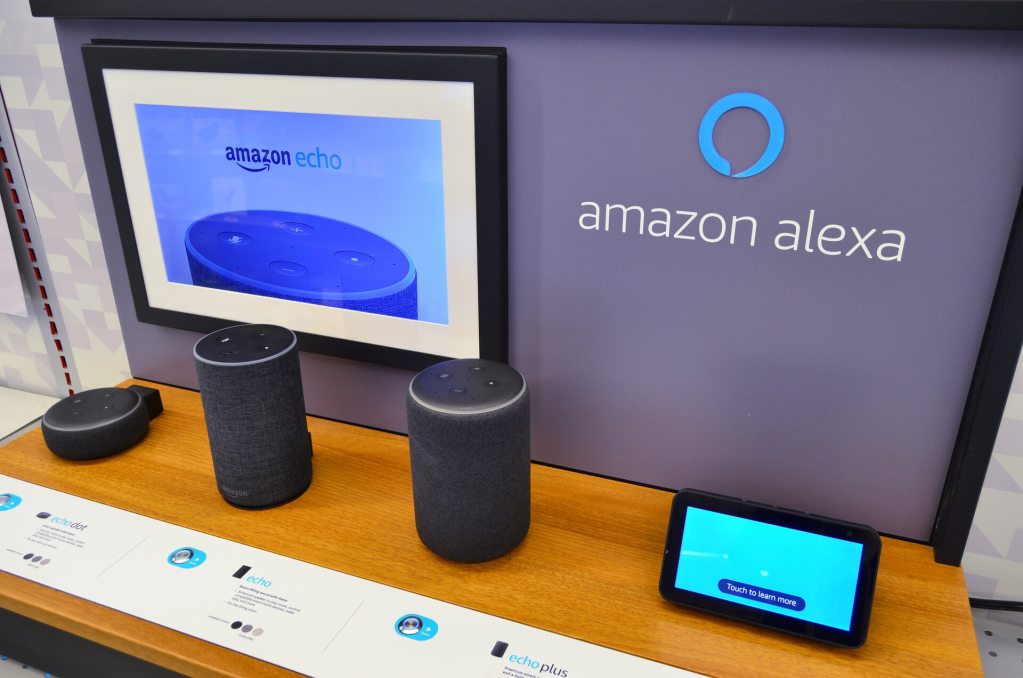
You already know Alexa’s voice-it’s in tens of millions of homes, responding before you finish the question. Amazon’s ecosystem thrives on accessibility, with Echo devices ranging from compact Dots to powerful Show hubs. Third-party integrations flood the platform, letting you control lights, locks, and cameras with a simple command. No other voice assistant matches Alexa’s breadth of supported devices, making it a dominant force in home automation.
Simple Setup for the Busy Man
Time matters, and Amazon built its system with speed in mind. Unbox an Echo, open the app, and you’re up and running in under five minutes. The guided setup walks you through Wi-Fi pairing and device discovery without technical jargon. Voice prompts confirm each step, reducing guesswork.
Even adding smart plugs or light bulbs requires minimal effort-just power them on and say, “Alexa, discover devices.” This plug-and-play approach removes friction, letting you automate routines like morning coffee or bedtime locks without slowing down your day.
The Apple Garden of Glass
Choosing Apple’s ecosystem means stepping into a sleek, secure world where design and privacy are non-negotiable priorities. You’re not just buying devices-you’re buying peace of mind, with end-to-end encryption baked into every HomeKit interaction. According to Your Most Important Smart Home Decision Is the …, your platform choice shapes everything from device compatibility to long-term flexibility.
HomeKit and the Price of Privacy
Apple demands a premium, but you’re paying for more than polished hardware. Every HomeKit-certified device must meet strict security standards, ensuring your data stays on your devices, not in the cloud. This privacy-first model means your routines, schedules, and voice recordings remain yours alone.
Yet tighter security comes with fewer compatible gadgets. You’ll find gaps in budget-friendly options, limiting how far your smart home can grow without compromise.
Siri and the Walled Experience
Siri responds quickly to simple commands, but struggles with complex automations or third-party integrations outside Apple’s control. Its usefulness depends heavily on staying within the ecosystem-step outside, and functionality crumbles.
You’ll notice delays in response or outright incompatibility with non-HomeKit devices, even if they’re top-rated elsewhere.
Siri’s limitations aren’t just technical-they’re intentional. Apple prioritizes consistency and control over flexibility, meaning you trade customization for reliability. While this ensures a clean, predictable experience, it also means you can’t tweak behaviors the way Android or open-source platforms allow. If you value deep automation or voice assistant versatility, Apple’s approach may feel more like a barrier than a benefit.
Matter and the New Truce
A Universal Language for Machines
You no longer need to guess which smart device will work with your hub. Matter creates a single, open standard that lets devices from different brands communicate reliably. Built on proven technologies like IP, it simplifies setup and ensures security by design. You simply pair a Matter-certified device once, and it works across Apple Home, Google Home, Amazon Alexa, and more.
Ending the Protocol Wars
For years, competing wireless protocols like Zigbee, Z-Wave, and Bluetooth created fragmentation. Matter unifies these under one interoperable framework, reducing consumer confusion and manufacturer overhead. You benefit from broader device choices without sacrificing performance or compatibility.
This shift forces industry giants to cooperate instead of isolate. The end of proprietary lock-in means you own your ecosystem, not the other way around. With major players backing the same standard, innovation accelerates while costs drop-putting true smart home integration within reach for everyone.
Summing up
Presently, you have clear access to leading home automation ecosystems like Amazon Alexa, Google Home, and Apple HomeKit. Each offers strong device compatibility, voice control, and integration with smart appliances tailored to your lifestyle. You can choose based on your existing tech setup, privacy preferences, and desired features.
Your experience improves when you align the ecosystem with your daily routines and long-term goals. Whether you prioritize ease of use, security, or smart lighting and climate control, the right platform simplifies your environment without complexity.
FAQ
Q: What is the most widely used home automation ecosystem, and why is it so popular?
A: Amazon Alexa is the most widely used home automation ecosystem. Its popularity comes from broad device compatibility, affordable Echo hardware, and deep integration with everyday services like shopping, music, and calendars. Millions of smart devices from brands like Philips, TP-Link, and Ecobee work directly with Alexa. Users can control lights, thermostats, cameras, and more using simple voice commands. The Alexa app also allows for easy setup and routine creation, making it accessible for beginners and experienced users alike.
Q: How does Apple HomeKit stand out from other home automation platforms?
A: Apple HomeKit differentiates itself through strong privacy protections and tight integration with the Apple ecosystem. All data processed by HomeKit stays encrypted and is not shared with Apple’s servers. Users can control devices using Siri on iPhones, iPads, Apple Watches, and HomePods. HomeKit requires devices to meet specific security standards, which limits compatibility but ensures a higher level of trust. People who own multiple Apple products find it easy to set up automations that work across their devices without extra apps or logins.
Q: Can Google Home work with non-Google smart devices, and how does it handle automation?
A: Google Home supports a wide range of third-party smart devices, including smart lights, locks, thermostats, and cameras from brands like Nest, Samsung, and LIFX. It uses the Google Home app to connect and manage devices, and users can control them with voice commands through Google Assistant. Automation is handled through routines-custom triggers based on time, location, or device status. For example, lights can turn off when the user leaves home or the thermostat can adjust when bedtime begins. Voice recognition also allows personalized responses based on who is speaking.