




From Rust to Racks: How Retrofitted Factories Are Powering the Global AI Revolution
AI revolution infrastructure is finding an unexpected home in the decaying skeletons of legacy industry. Across former industrial heartlands, decommissioned steel mills, paper factories, and automotive plants are being retrofitted into high-density data centers equipped to handle the immense power and cooling demands of next-generation artificial intelligence.
The global race for artificial intelligence dominance is no longer fought merely in software laboratories or silicon fabrication foundries; it is increasingly decided on the physical grounds of heavy industrial real estate. Across North America and Western Europe, a quiet yet massive industrial transition is underway. Former manufacturing hubs, textile mills, and auto assembly plants that once formed the backbone of 20th-century economic power—many of which sat abandoned for decades following painful job losses—are being systematically converted into ultra-high-density AI data centers.
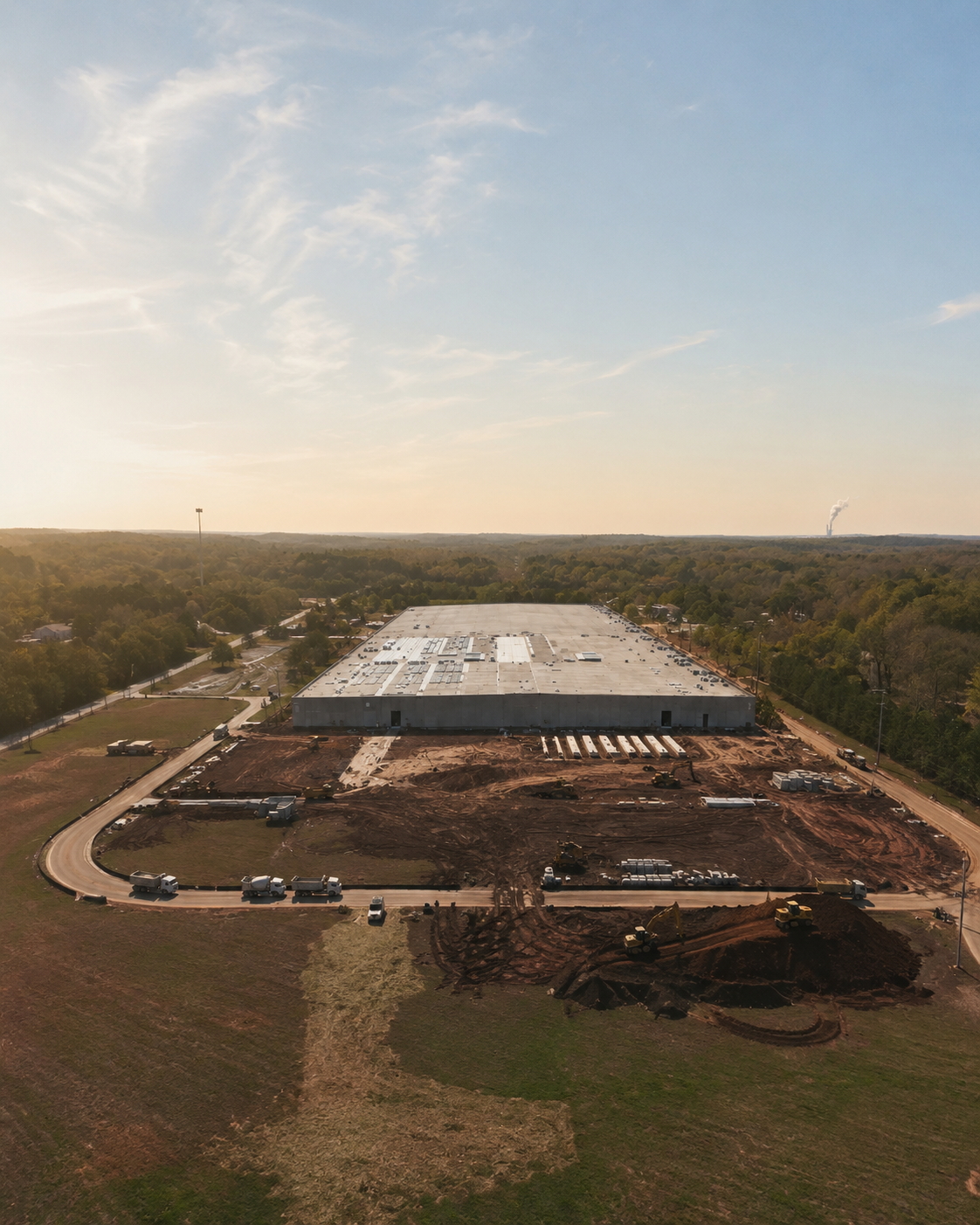
A prime landmark of this paradigm shift is located in Madison, Rockingham County, North Carolina. A massive textile manufacturing complex, which was left completely vacant after the abrupt loss of 250 local industrial jobs, is undergoing a dramatic metamorphosis. The ~970,000 square foot (approximately 90,000 square meters) complex situated on a 96-acre (39-hectare) parcel is being re-engineered by WhiteFiber Inc.—the high-performance computing (HPC) subsidiary of Nasdaq-listed Bit Digital—into a flagship high-density AI computing facility known as NC-1.
According to Sam Tabar, Chief Executive Officer of WhiteFiber, former industrial assets like the Madison textile mill represent the ultimate “secret weapon” in the hyper-competitive artificial intelligence ecosystem. In an industry where time-to-market is the primary metric separating market leaders from trailing competitors, legacy industrial facilities offer an irreplaceable shortcut: existing building shells, pre-established heavy electrical infrastructure, robust structural foundations, and existing utility pathways that drastically reduce construction timelines.
The Bottleneck of the AI Boom: Speed and Power Demand
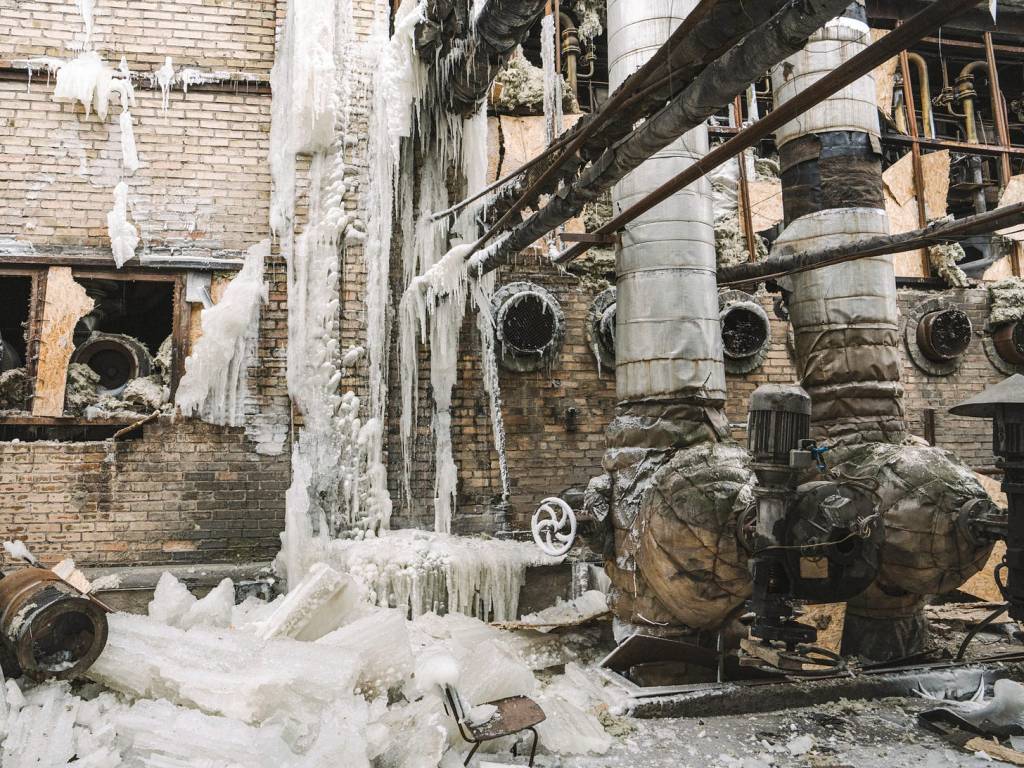
To understand why retrofitting old factories has become a dominant trend among infrastructure developers, one must examine the unprecedented power and timeline constraints facing the artificial intelligence industry today.
The Power Density Challenge
Traditional cloud data centers historically required 5 to 10 kilowatts (kW) per rack. However, modern AI workloads utilizing advanced GPU architectures—such as NVIDIA’s H100, B200, and upcoming superclusters—demand anywhere from 40 kW to upwards of 100 kW per rack. This exponential spike in energy density has stretched power distribution grids to their structural limits in key computing hubs like Northern Virginia, Dublin, and Frankfurt.
As tech hyperscalers, large language model (LLM) developers, and sovereign AI initiatives race to train foundational models with hundreds of billions of parameters, global demand for electricity dedicated to data processing is skyrocketing. According to data published by the International Energy Agency, global electricity consumption from data centers, artificial intelligence, and cryptocurrency could double from 2022 levels to over 1,000 Terawatt-hours (TWh) by 2026—a demand equivalent to the entire electricity consumption of Japan.
Greenfield vs. Brownfield Development Timelines
Building a brand-new “greenfield” data center from scratch requires navigating a grueling series of regulatory, environmental, and engineering hurdles:
- Site Acquisition & Rezoning: Securing large contiguous parcels of land with suitable commercial zoning can take 12 to 24 months.
- Environmental Impact Studies: Obtaining environmental permits and assessing localized acoustic and ecological impacts often adds another 18 months.
- Utility Grid Interconnection: Waiting for regional power utilities to construct high-voltage substations and lay miles of transmission lines can delay go-live dates by 3 to 5 years.
- Supply Chain Bottlenecks: Procuring critical electrical equipment—such as medium-voltage transformers, switchgear, and backup diesel generators—now carries lead times exceeding 100 weeks.
In stark contrast, “brownfield” retrofits of former industrial complexes eliminate years of friction. Legacy textile factories, steel mills, and automotive plants were built specifically to draw massive amounts of grid power for heavy machinery. They possess heavy-duty concrete foundations capable of supporting intense floor loads, high ceiling clearances optimal for hot-aisle containment systems, and existing industrial zoning that streamlines municipal approval processes.
Anatomy of the Madison Retrofit: WhiteFiber’s Strategic Play
The Madison, North Carolina facility illustrates the precise economic and operational mechanics that make industrial retrofits so compelling for institutional investors and tech operators.
Key Campus Specifications and Operational Scale
- Physical Footprint: ~970,000 square feet (~90,000 m²) of existing heavy industrial indoor space spanning a 96-acre (39-hectare) secure site.
- Capital Investment: Acquired by WhiteFiber for $45 million (~€38 million to €41 million equivalent), representing a fraction of the cost required to procure and construct equivalent greenfield square footage.
- Power Capacity Pathway:
- Initial Identified Power: 24 megawatts (MW) of operational utility power.
- Secured Utility Power: 99 MW tied directly to grid upgrade milestones with Duke Energy.
- Long-Term Expansion Horizon: Up to 200 MW of total capacity as high-voltage substation upgrades are finalized.
- Commercial Anchoring: WhiteFiber has secured a 10-year colocation contract for its first 40 MW of critical IT load (delivered in two 20 MW phases) backed by an investment-grade hyperscaler.
Transforming a Textile Factory into a Tier 3 AI Facility
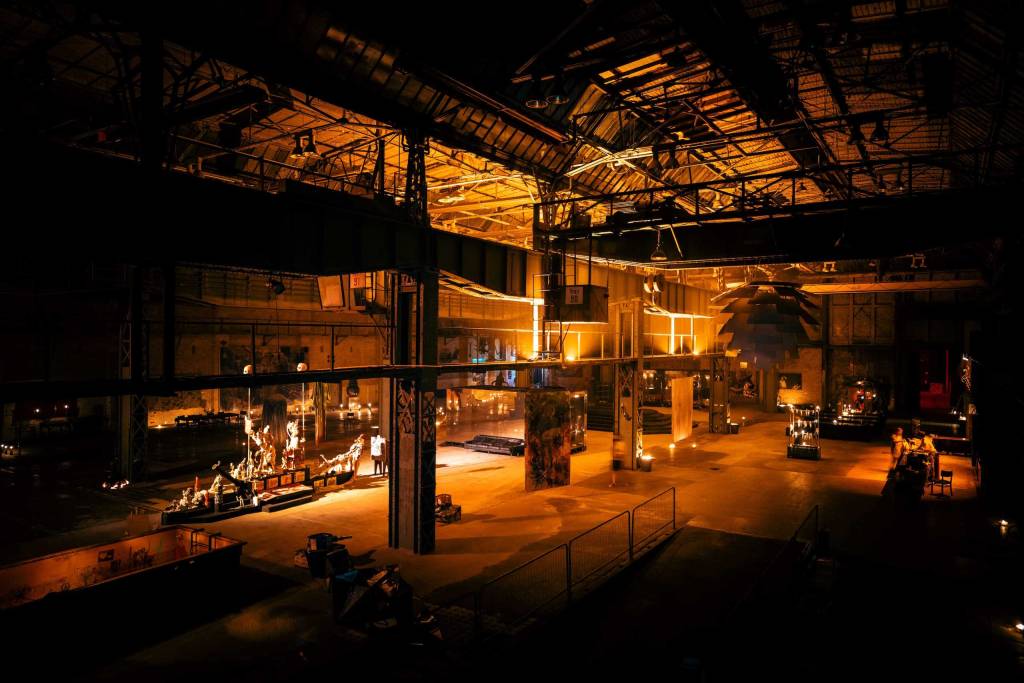
Converting a building designed for textile looms into a high-density AI factory requires sophisticated structural and mechanical engineering:
- Structural Reinforcement: While the legacy concrete slabs are robust, floor loading calculations must be re-certified to support heavy GPU server racks, liquid cooling distribution units (CDUs), and uninterrupted power supply (UPS) battery banks.
- Advanced Cooling Systems: Air cooling is insufficient for 100 kW+ rack densities. The Madison facility is being upgraded with direct-to-chip liquid cooling loops and closed-loop chillers that maximize Power Usage Effectiveness (PUE) while minimizing water consumption—a critical environmental consideration for local communities.
- High-Bandwidth Network Connectivity: To support distributed AI training across thousands of interconnected GPUs, the facility incorporates multi-terabit optical interconnects, providing ultra-low latency fiber pathways to major regional network exchanges.
Economic Revitalization: Restoring Post-Industrial Communities
Beyond the technical and financial imperatives driving tech firms, the conversion of legacy factories carries profound socio-economic implications for communities in the Rust Belt and former manufacturing corridors.
From Job Destruction to High-Tech Rebirth
When the Madison textile factory closed its doors, 250 workers were abruptly laid off, leaving a gaping void in the local tax base and commercial ecosystem. Similar stories have unfolded across hundreds of small towns in North America and Western Europe as manufacturing migrated overseas during the late 20th century.
While modern AI data centers do not match the sheer headcounts of manual manufacturing plants—a 200 MW data center typically employs 60 to 100 highly skilled full-time technicians, site reliability engineers, and security personnel—their broader economic contribution is transformative:
- High-Wage Employment: Jobs created at facilities like NC-1 carry average annual salaries near $67,000 (€60,000+), significantly above localized regional medians.
- Construction and Contracting Surge: The retrofit process generates hundreds of specialized skilled trades jobs for electrical contractors, pipefitters, network engineers, and concrete specialists over a 12 to 24-month buildout window.
- Tax Base Restoration: Property tax revenue generated by hundreds of millions of dollars in high-tech servers, power distribution equipment, and physical infrastructure provides local municipalities with critical funding for public schools, emergency services, and road infrastructure.
The Global Trend: Brownfield Retrofits Across Europe and North America
The strategy employed by WhiteFiber in North Carolina is part of a rapidly growing international movement. Developers across North America, the United Kingdom, and Continental Europe are actively scouting abandoned industrial real estate to bypass grid interconnection queues and physical land scarcity.
European Industrial Conversions
In Europe, where land availability is strictly regulated and energy efficiency mandates under the European Union’s Energy Efficiency Directive (EED) are stringent, retrofitting old industrial sites offers distinct advantages:
- Germany & Nordic Region: Decommissioned paper mills and coal-fired power plants in northern Europe are being repurposed due to their direct proximity to high-voltage power lines and cold climate conditions that enable free-air cooling.
- United Kingdom: Former automobile production lines and manufacturing parks in the Midlands are being targeted for edge computing and private enterprise AI clusters, leveraging existing grid hookups previously dedicated to heavy automotive welding and stamping equipment.
Sustainable Infrastructure and Circular Real Estate
From an environmental standpoint, reusing existing industrial structures is a core pillar of circular real estate development. Demolishing massive concrete buildings and manufacturing new steel and concrete releases enormous amounts of embodied carbon into the atmosphere. By preserving structural superstructures and retrofitting internal mechanics, data center developers significantly reduce the total lifecycle carbon footprint of new digital infrastructure.
Challenges and Risks Facing Industrial Data Center Retrofits

While the advantages of retrofitting abandoned factories are compelling, developers face complex execution risks that require meticulous planning:
Legacy Environmental Remediation
Industrial properties built in the mid-20th century frequently contain hazardous materials such as asbestos, lead-based paints, and soil contaminants from chemical solvents. Before installing delicate silicon microprocessors, developers must execute thorough environmental site assessments and remediation protocols, which can introduce unexpected costs and minor schedule delays.
Utility Interconnection Delays and Supply Chain Constraints
Even when a site possesses historical grid capacity, transitioning utility agreements from legacy industrial tariffs to continuous multi-megawatt data center loads requires extensive coordination with regional power providers. Furthermore, global supply chain bottlenecks for medium-voltage switchgear, transformers, and cooling distribution equipment remain a persistent risk, requiring developers to secure long-term procurement agreements well in advance of commissioning dates.
Conclusion: The New Infrastructure Frontier
The transformation of the Madison textile mill from a forgotten relic of the industrial age into a $1 billion high-density artificial intelligence hub exemplifies the radical evolution of global real estate and technology infrastructure. In the relentless pursuit of computing power, the fast-moving artificial intelligence industry has discovered its most valuable asset in the enduring foundations of the industrial past.
As the global demand for AI compute continues its exponential trajectory, the speed, sustainability, and power accessibility of brownfield retrofits will remain a key competitive differentiator. Legacy manufacturing corridors that once powered the 20th-century economy are being reborn as the digital engines of the 21st century—proving that the future of artificial intelligence is built directly upon the foundation of industrial history.