




Human Genome research has officially entered a historic era with the assembly of the first truly complete, end-to-end diploid sequence. By unlocking both maternal and paternal chromosome sets down to every single base pair, scientists have eliminated long-standing blind spots to build an uncompromised blueprint for personalized medicine and human genetics.
The quest to map the human genome has been one of the most ambitious scientific endeavors in history. Since the completion of the initial Human Genome Project, scientists have been working to fill the gaps, correct errors, and understand the vast complexities of our DNA. Today, we stand at a revolutionary threshold: the successful sequencing of the first truly complete, gapless diploid human genome.
Why Diploidy Matters
To understand the gravity of this achievement, we must first look at what makes a genome “diploid.” Humans are diploid organisms, meaning we carry two copies of every chromosome—one inherited from our mother and one from our father. Previous reference genomes, while groundbreaking, were often “mosaics,” creating a single, somewhat generic representation that combined data from multiple sources or focused on simpler, homozygous regions.
However, true biological reality is found in the differences between those two parental copies. By reconstructing the full diploid sequence, researchers have successfully captured the unique variations, structural complexities, and repetitive regions that define an individual’s biology.
Bridging the 15% Gap
For decades, about 8% to 15% of our genome remained “dark matter”—inaccessible regions that were too repetitive or structurally complex for older sequencing technologies to resolve. This newly published diploid assembly has finally shed light on these areas, adding over 900 million DNA base pairs that were previously missing from our standard benchmarks.
These regions are not mere “junk DNA.” They are often hotspots for structural variation and include genes critical for human health, neurological development, and cellular function. By resolving these areas, we can now see the full picture, identifying variants that were previously hidden by technical limitations.
A Paradigm Shift in Precision Medicine
The clinical applications of this research are immense. In modern European and American medical standards, diagnostics for genetic diseases rely heavily on “variant calling”—identifying differences between a patient’s DNA and the reference genome. When the reference itself is incomplete or contains errors, the diagnostic accuracy drops significantly.
- Cancer Research: Many oncogenes are located in complex, duplicated regions of the genome. A complete diploid map allows clinicians to track mutations in these areas with unprecedented precision.
- Neurological Disorders: Conditions that were once labeled “idiopathic” may finally be linked to structural variants in the newly resolved 900 million base pairs.
- Tailored Treatments: Precision medicine depends on knowing exactly what your genetic makeup is. With this new standard, the era of personalized therapy—where treatments are designed based on an individual’s specific maternal and paternal genomic contributions—is no longer a distant dream.
The Role of Global Collaboration
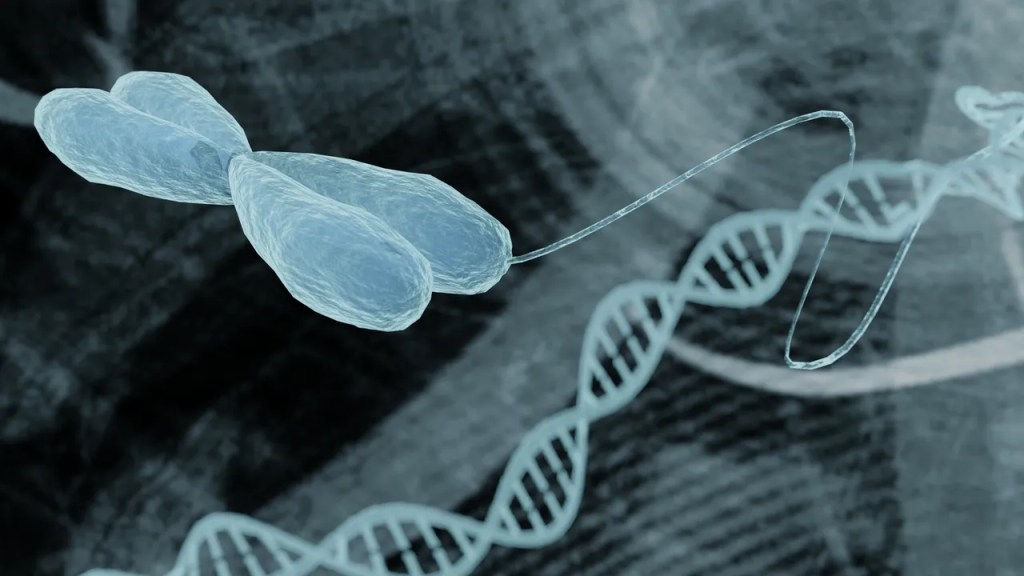
This achievement was the result of a massive, multi-institutional effort, including the Telomere-to-Telomere (T2T) Consortium. By utilizing advanced sequencing platforms (such as long-read sequencing technology), the team has pushed the boundaries of what is technically possible.
For those interested in the broader context of how sequencing technologies have evolved, you can explore more about the technical challenges of modern genetics here.
Moving Toward the Future
We are entering a phase where the “human reference” will no longer be a static document but a dynamic, high-resolution reflection of human diversity. As we continue to refine these assemblies for diverse populations, we gain a clearer understanding of the evolutionary pressures that have shaped us and the genetic factors that predispose us to disease.
The completion of the diploid genome is not just an end; it is a beginning. It provides the high-fidelity tools necessary for the next generation of biologists to explore the “dark matter” of our genome and translate that knowledge into life-saving medical breakthroughs.