




The Immortal Jellyfish Code: How Turritopsis dohrnii Is Redefining Regenerative Medicine, Longevity Science, and the Future of Human Health
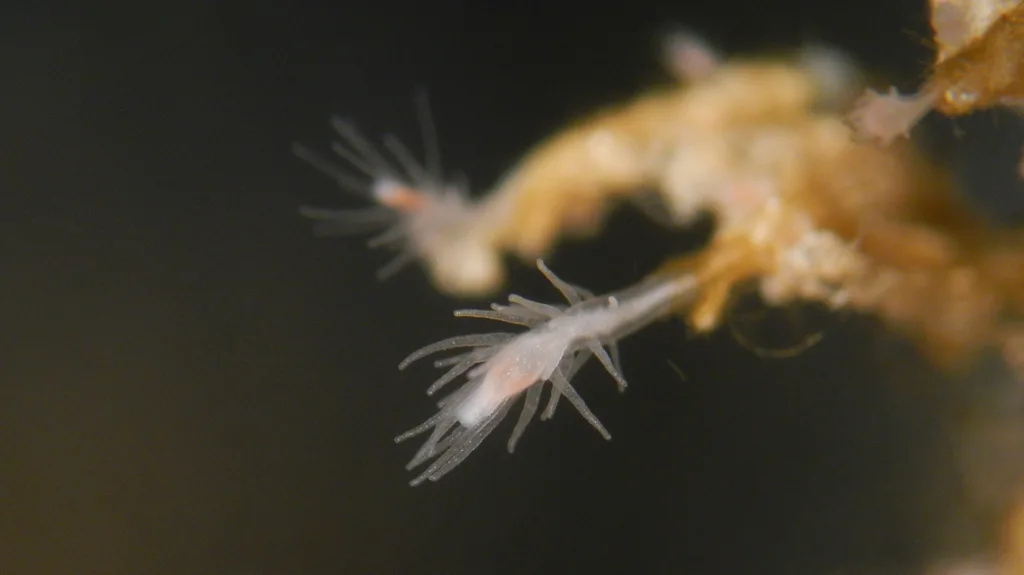
The pursuit of extending human healthspan and defeating degenerative diseases has long been constrained by the fundamental law of complex biology: once specialized, adult cells age, degrade, and inevitably die. However, deep within the world’s oceans, a minuscule creature measuring roughly 4.5 millimeters across defies this universal rule. Turritopsis dohrnii, popularly designated as the immortal jellyfish, possesses the extraordinary ability to reverse its developmental lifecycle. When faced with environmental distress, starvation, or physical damage, adult individuals do not perish; instead, they transition backward into embryonic-like cellular aggregates, ultimately re-emerging as youthful polyps capable of spawning entirely new colonies.
Scientists and clinical researchers across Europe and North America are rigorously investigating the genomic architecture and molecular signaling pathways of this cnidarian. The primary objective is not to realize the whimsical realm of science fiction—transforming elderly human beings into infants—but rather to unravel the biological secrets of cellular transdifferentiation, telomere maintenance, and DNA repair. If these marine mechanisms can be adapted to human biomedicine, they could revolutionize clinical approaches to cardiovascular disease, stroke recovery, neurodegeneration, and chronic wound healing.
1. The Extraordinary Lifecycle of Turritopsis dohrnii
To appreciate the medical potential of the immortal jellyfish, one must first understand its unconventional life cycle. Typical hydrozoans follow a straightforward developmental path: fertilized eggs grow into free-swimming planula larvae, which settle onto ocean substrates to form sessile polyp colonies. These polyps eventually bud off free-swimming medusae—the umbrella-shaped organisms commonly recognized as jellyfish. In virtually all other animal species, the medusa represents the terminal, reproductive stage of life.
| Lifecycle Phase | Biological State | Primary Function in T. dohrnii |
| Fertilized Egg & Larva | Free-swimming planula | Dispersion across marine environments |
| Sessile Polyp | Substrate-anchored colony | Asexual budding and growth |
| Adult Medusa | Free-swimming umbrella | Sexual reproduction |
| Cyst Phase | Compact cellular ball | Emergency rejuvenation triggered by trauma |
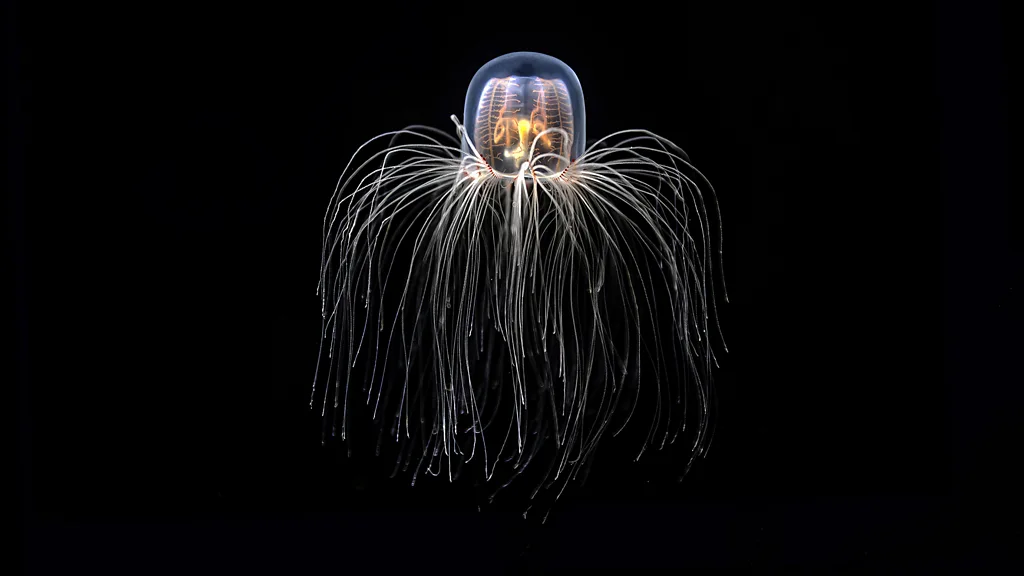
In Turritopsis dohrnii, this developmental trajectory is bi-directional. When subjected to osmotic shock, elevated temperatures, physical trauma, or prolonged starvation, the adult medusa undergoes an astonishing metamorphosis:
- Retraction and Collapse: The medusa absorbs its tentacles and umbrella structure, sinking to the seafloor as a compact tissue mass.
- Cyst Formation: The degraded tissue reorganizes into a spherical, unorganized cellular ball known as a cyst.
- Transdifferentiation: Specialized somatic cells lose their specific tissue identities, reverting into multi-potent, stem-like states.
- Polyp Budding: Within 24 to 72 hours, a new stolon and polyp structure sprout from the cyst, growing into a genetically identical colony capable of releasing hundreds of new medusae.
This cycle can theoretically repeat indefinitely, effectively rendering the organism biologically immortal under controlled laboratory conditions.
2. Deciphering the Cellular Engine: What Is Transdifferentiation?
At the core of this rejuvenation miracle lies transdifferentiation—a rare cellular process where a fully differentiated somatic cell converts into another distinct cell type without passing through an intermediate pluripotent stem cell state, or by briefly reverting to a primitive stem-like condition before re-specializing.
| Cellular Process | Definition | Prevalance in Mammals | Presence in T. dohrnii |
| Differentiation | Stem cells specialize into specific functional tissues (e.g., muscle, nerve). | Universal during development | Standard growth phase |
| Dedifferentiation | Specialized cells revert back to primitive stem cell states. | Highly restricted (e.g., liver regeneration) | Core component of cyst phase |
| Transdifferentiation | One mature specialized cell transforms directly into another mature cell type. | Extremely rare naturally; requires laboratory induction | Primary engine of full body rejuvenation |
In human physiology, cellular differentiation is typically a one-way street. A mature cardiomyocyte (heart muscle cell) or cortical neuron cannot spontaneously reset its state to repair adjacent damaged tissue after a heart attack or ischemic stroke. In contrast, Turritopsis dohrnii freely reshuffles its cellular machinery. Tissues that previously comprised the bell margin or digestive system of the medusa reprogram themselves to construct the root-like stolons and feeding polyps of the juvenile stage.
3. Genomic Blueprint: Comparing Rejuvenation Capabilities
In 2022, a landmark comparative genomics study conducted by researchers at the University of Oviedo in Spain mapped the complete genome of Turritopsis dohrnii alongside its non-immortal relative, Turritopsis rubra. This comparative analysis provided unprecedented insights into the specific gene duplications and evolutionary adaptations that grant T. dohrnii its regenerative dominance.
| Feature / Gene Family | Genomic Adaptation in T. dohrnii | Biological Impact on Rejuvenation |
| DNA Repair Mechanisms | 2x to 4x gene copy expansions | Rapid repair of ultraviolet and oxidative damage |
| Telomerase Maintenance (TERT) | Upregulated enzymatic expression | Protection against chromosome shortening |
| Stem Cell Pluripotency Network | Amplified transcription factors | Rapid cell fate reprogramming during stress |
| Chromatin Remodeling Systems | High histone modifier plasticity | Silencing adult genes to reactivate juvenile programs |
Key Genomic Factors Identified:
- Enhanced DNA Repair Pathways: T. dohrnii exhibits duplicated gene copies encoding proteins responsible for nucleotide excision repair, base excision repair, and double-strand break repair. This allows the organism to fix genomic errors incurred by ultraviolet radiation, oxidative damage, and aging far more efficiently than standard marine invertebrates.
- Telomere Maintenance Systems: Telomeres are repetitive nucleotide sequences located at the tips of linear chromosomes that shorten with every round of cellular division. In humans, progressive telomere attrition acts as a fundamental biological clock driving cellular senescence. T. dohrnii maintains exceptionally high expressions of telomerase enzymes and chromatin remodeling factors, preserving chromosome end integrity across repeated rejuvenation cycles.
- Epigenetic Plasticity: Rejuvenation requires radical shifts in gene expression without altering the underlying DNA sequence. T. dohrnii possesses extensive networks of polycomb group proteins and histone-modifying enzymes that selectively silences adult tissue genes while reactivating early-stage developmental programs during cyst formation.
4. Translating Marine Biology to Human Medicine
Understanding the genomic tricks of Turritopsis dohrnii is inspiring modern clinical therapies. Chronic degenerative diseases cost healthcare systems across Europe and North America hundreds of billions of Euros and Dollars annually. Translating hydrozoan cellular mechanics into human therapies focuses on four primary medical domains:
A. Regenerative Cardiology
Cardiovascular disease remains the leading cause of mortality globally. Following a myocardial infarction (heart attack), millions of cardiac muscle cells die, replaced by non-functional scar tissue that impairs heart function over time. If biomedical researchers can identify the specific transcriptional factors that allow jellyfish cells to undergo transdifferentiation, it may become possible to instruct human cardiac fibroblasts (scar-forming cells) to convert directly into functional cardiomyocytes in situ, restoring heart capacity without requiring invasive transplants.
B. Neurodegenerative Disease Interventions
In conditions such as Alzheimer’s disease, Parkinson’s disease, and amyotrophic lateral sclerosis (ALS), progressive neuronal loss leads to irreversible cognitive and motor decline. Current medical therapies primarily target symptom management rather than tissue restoration. Insights gained from T. dohrnii’s chromatin remodeling systems could guide the development of small-molecule drugs that reactivate latent neurogenic programs in endogenous neural stem cells, promoting the regrowth of functional brain tissue in aging patients.
C. Advanced Wound Healing and Tissue Repair
Severe burns, diabetic ulcers, and traumatic injuries often fail to heal efficiently in elderly individuals due to cellular senescence and diminished growth factor signaling. Applying the epigenetically flexible strategies of hydrozoans could lead to gene therapies or bio-engineered topical treatments that temporarily reverse senescence in localized skin and vascular tissues, accelerating wound closure without pathogenic scarring.
D. Telomere Protection and Anti-Senescence Therapeutics
Human aging is strongly correlated with the accumulation of senescent cells—so-called “zombie cells” that refuse to divide, secrete inflammatory cytokines, and degrade surrounding healthy tissue. By studying how T. dohrnii upregulates telomerase and mitigates oxidative stress without triggering uncontrolled cellular proliferation (cancer), oncologists and biogerontologists can design safer senolytic drugs and gene delivery systems that preserve human chromosomal stability.
To explore ongoing biomedical developments and clinical trial standards across Europe, researchers frequently consult resources maintained by the European Medicines Agency, which monitors advanced therapy medicinal products (ATMPs) including gene and cell therapies.
5. Modern Laboratory Research and Experimental Methodologies
Studying Turritopsis dohrnii presents unique logistical challenges. Despite its theoretical immortality, the species is extraordinarily sensitive to changes in salinity, water temperature, micro-filtered diet quality, and water flow dynamics.
| Culturing Parameter | European & American Laboratory Standard | Operational Importance |
| Water Temperature | 18°C – 22°C | Prevents thermal shock and unintentional cyst formation |
| Salinity Level | 35 – 38 PSU | Maintains osmotic equilibrium in cellular membranes |
| Primary Diet | Freshly hatched Artemia salina nauplii | Provides essential proteins for cellular rebuilding |
| Aquarium Architecture | Specialized Kreisel flow tanks | Prevents physical impalement and structural damage |
When culturing these delicate hydrozoans, marine biologists utilize custom-built recirculating aquatic systems. Stress triggers—such as brief temperature shifts or mechanical agitation—are applied under controlled settings to induce the cyst stage reliably. Researchers then harvest tissue at precise time intervals (0 hours, 12 hours, 24 hours, 48 hours) to perform single-cell RNA sequencing (scRNA-seq) and mass spectrometry proteomics. These diagnostic methods reveal exactly which gene networks switch on or off during each phase of cellular reverse-development.
6. Philosophical and Ecological Realities: The Limits of Immortality
While Turritopsis dohrnii provides an inspiring biological model, it is vital to distinguish between theoretical cellular longevity and ecological invulnerability. In nature, the immortal jellyfish does not overpopulate the oceans, nor is it immune to death.
| Factor Category | Biological Driver | Environmental & Ecological Impact |
| Intrinsic Capabilities | Infinite cellular rejuvenation & telomere repair | Allows theoretical evasion of biological aging |
| Extrinsic Vulnerabilities | Macro-predation, marine heatwaves & starvation | Prevents overpopulation and causes routine mortality |
- Predation and Environmental Hazards: In marine ecosystems, T. dohrnii medusae are routinely consumed by larger invertebrates, fish, and filter-feeding organisms. Rejuvenation requires a period of static vulnerability on the seafloor; if a cyst is consumed or smothered by benthic sediment, the organism perishes permanently.
- Rejuvenation Failure Rates: Laboratory observation confirms that rejuvenation is not guaranteed. Older or severely damaged medusae sometimes fail to complete cyst formation, succumbing to bacterial infections or cellular necrosis before transdifferentiation can occur.
- Ecological Balance: The absolute immortality of the individual is secondary to the survival of the species. The life-and-death realities of marine food webs demonstrate that even nature’s most resilient life forms remain deeply integrated into fragile biological balances.
7. Comparative Analysis: Other Biological Rejuvenation Models
Turritopsis dohrnii is not the only organism studied by gerontologists and evolutionary biologists for longevity clues. Comparing its traits with other long-lived or highly regenerative species helps pinpoint common genetic strategies.
| Organism | Primary Mechanism | Maximum Known Lifespan | Primary Research Application |
| Turritopsis dohrnii (Immortal Jellyfish) | Full-body lifecycle reversal via transdifferentiation | Indefinite (Biological) | Epigenetic reprogramming & tissue regeneration |
| Hydra vulgaris (Freshwater Polyp) | Continuous stem cell self-renewal & lack of senescence | Indefinite (Estimated) | Stem cell niche stability & cancer resistance |
| Heterocephalus glaber (Naked Mole-Rat) | High-molecular-mass hyaluronan & hyper-active DNA repair | 30+ Years | Cancer immunity & metabolic resilience |
| Arctica islandica (Ocean Quahog) | Unusually stable proteome & low protein oxidation | 500+ Years | Protein folding stability & anti-oxidative research |
| Ambystoma mexicanum (Axolotl) | Blastema formation & epimorphic limb regeneration | 10–15 Years | Complex organ & limb tissue reconstruction |
By synthesizing data across these disparate taxa, systems biologists hope to assemble a unified framework for human longevity intervention—combining the proteomic stability of long-lived mollusks, the cancer resistance of subterranean rodents, and the cellular reprogramming power of hydrozoans.
8. Clinical Timelines and Future Horizon
What can humanity realistically expect from immortal jellyfish research over the coming decades? Medical experts emphasize that translating basic marine genetics into approved clinical interventions requires careful steps:
| Research Milestone | Estimated Timeframe | Core Technical Objective |
| Phase 1: Genomic Mapping | Completed / Ongoing | Identifying key lncRNAs and microRNAs in cyst formation |
| Phase 2: In Vitro Human Cell Testing | Current Frontier | Replicating transdifferentiation pathways in human stem cells |
| Phase 3: Targeted Animal Models | Estimated 2030–2035 | Testing gene therapy vectors in mammalian stroke/cardiac models |
| Phase 4: Human Clinical Trials | Estimated 2040+ | Clinical validation for severe age-related tissue degradation |
- Short-Term (1–5 Years): Comprehensive mapping of specific long non-coding RNAs (lncRNAs) and microRNAs involved in T. dohrnii cyst formation, alongside validation of target gene homologies in human stem cell cultures.
- Medium-Term (5–15 Years): Development of target gene therapies and senolytic compounds tested in mammalian rodent models to treat localized tissue ischemia, myocardial infarction, and cartilage degradation.
- Long-Term (15+ Years): Advanced regenerative interventions capable of safely reprogramming damaged human organs in vivo, significantly extending human healthspan and delaying the onset of age-related frailties.
The tiny Turritopsis dohrnii serves as a powerful proof of concept: biological aging is not an immutable law written into the physics of life, but a complex metabolic state that evolution can modify. As genomics, epigenetics, and biomedical engineering converge, the lessons learned from this humble marine creature may illuminate the path toward a healthier, more resilient future for human medicine.