





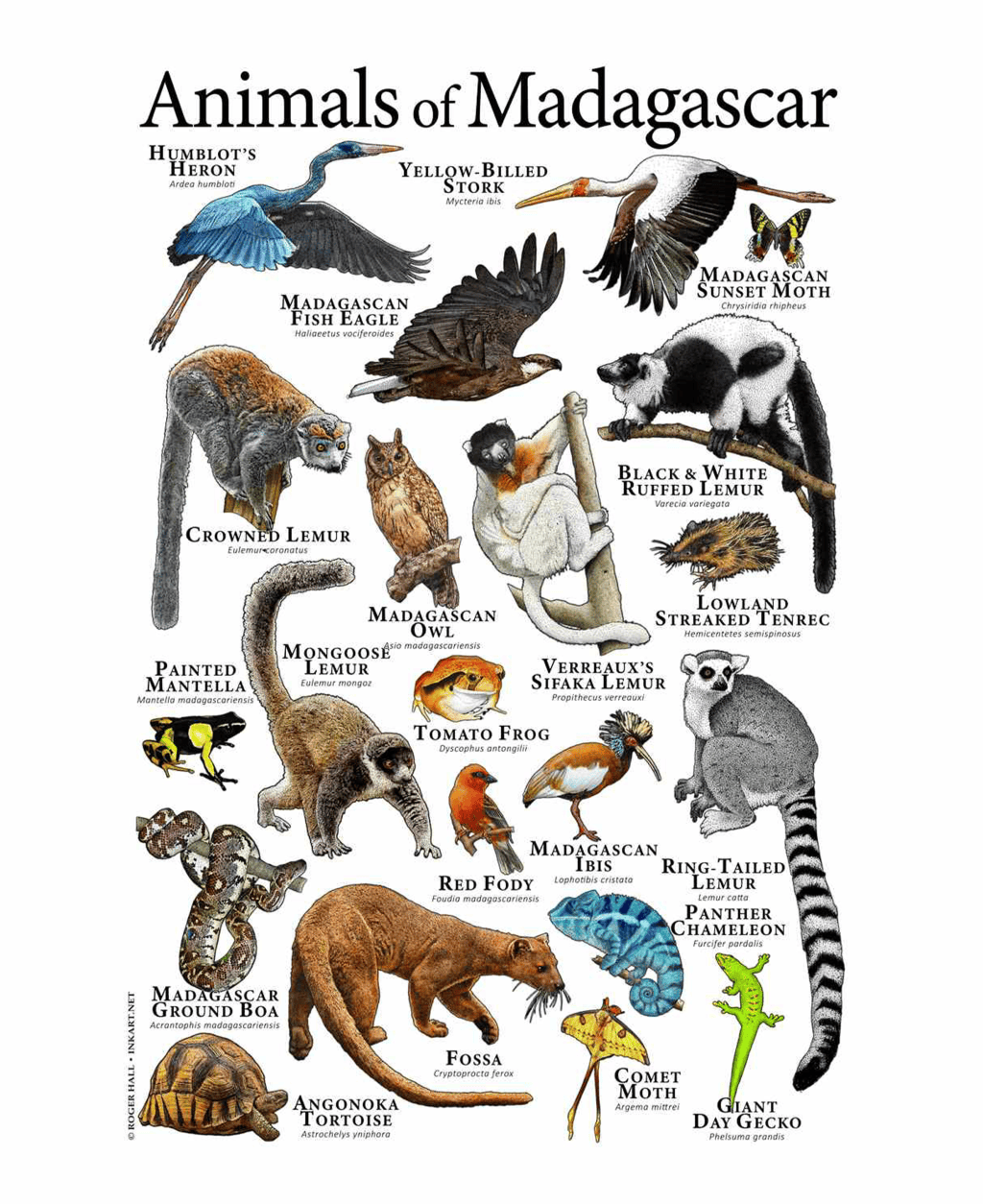
The island of Madagascar, situated off the southeastern coast of Africa, has long been recognized by ecologists, evolutionary biologists, and international environmental policymakers as one of the most ecologically significant landmasses on Planet Earth. Having diverged from the Indian subcontinent over eighty-eight million years ago, Madagascar developed an evolutionary trajectory almost entirely insulated from external biological influences. Consequently, more than ninety percent of its wildlife species including its iconic lemurs, unique carnivores like the fossa, specialized chameleons, and exceptional flora exist nowhere else on the globe. However, this incomparable biological wealth is currently confronting an existential catastrophe. Accelerated deforestation, illegal slash and burn agriculture known locally as tavy, unsustainable gemstone mining, climate induced drought cycles, and intensive poaching have pushed the island’s terrestrial ecosystems toward ecological collapse.
In a momentous response to this environmental emergency, the International Union for Conservation of Nature (IUCN), in direct partnership with leading Malagasy biological research institutes and international scientific institutions, formally unveiled Africa’s most comprehensive live biobanking initiative. This ambitious project marks a paradigm shift in wildlife preservation methodologies, transitioning from purely reactive habitat defense toward proactive genomic safeguarding. By systematically harvesting, freezing, and cataloging high-quality biological tissue, sperm cells, oocytes, and induced pluripotent stem cells (iPSCs) from Madagascar’s most critically endangered endemic species, this global conservation program establishes an imperishable genetic fortress designed to defeat biological extinction.
Understanding the Ecological Crisis Facing Madagascar’s Endemic Species
To appreciate the imperative behind Africa’s premier biobank, one must evaluate the catastrophic level of environmental degradation altering Madagascar’s landscapes. Over ninety-two percent of Madagascar’s original primary forest cover has been cleared or severely fragmented over the past century. This catastrophic loss of natural canopy cover directly impacts the order Primates, specifically lemurs, which rely entirely on intact continuous forest corridors for foraging, mating, and maintaining genetic variability across subpopulations.
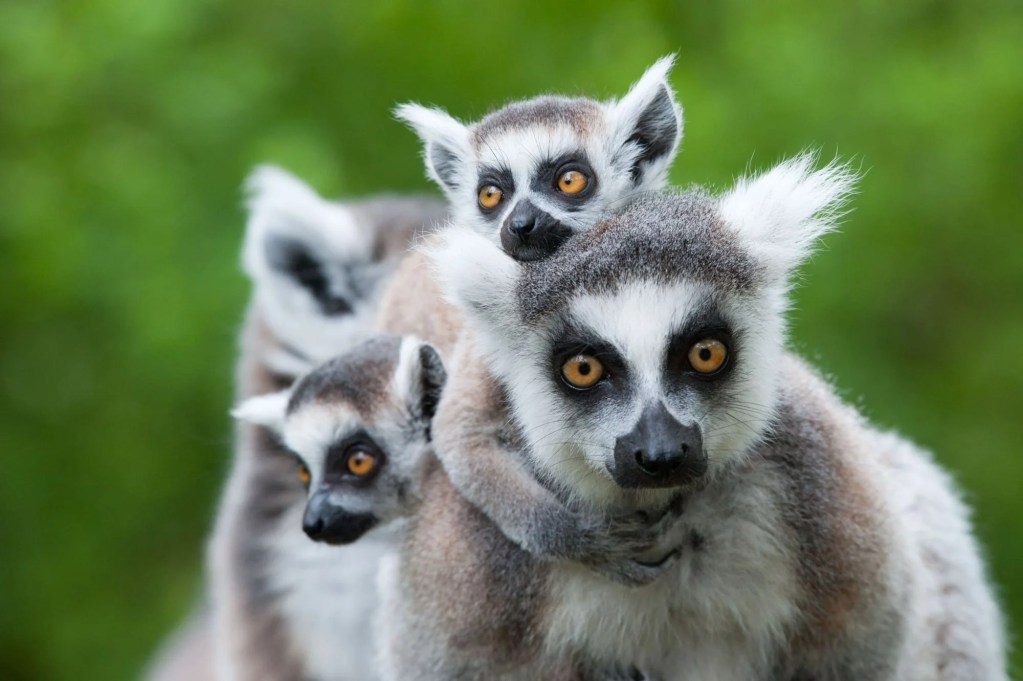
When populations are isolated into tiny habitat fragments, inbreeding depression accelerates rapidly. Small, isolated breeding groups suffer from severe loss of allele diversity, leading to elevated infant mortality rates, increased susceptibility to novel pathogens, and reduced adaptive capacity against climate fluctuation. According to the IUCN Red List of Threatened Species, over ninety-six percent of the world’s 107 lemur species are currently threatened with extinction, making lemurs the most endangered group of mammals on the planet. Sieve scaled chameleons, leaf tailed geckos, and rare radiated tortoises are experiencing parallel declines due to habitat conversion and the international exotic pet trade.
Traditional conservation strategies such as establishing protected national parks and implementing community based anti poaching patrols remain indispensable foundation pillars. However, field experts recognize that physical land protection alone is no longer sufficient to guarantee species survival in an era characterized by rapid global climate change and severe habitat fragmentation. The establishment of a centralized, ultra cryogenic biological repository provides a high technology insurance policy that freezes biological time, preserving species’ complete genomic architectures at this exact moment in history.
| Taxonomic Group | IUCN Status | Primary Threat Vector | Biobanking Priority |
| Indri Lemur (Indri indri) | Critically Endangered | Canopy Loss / Tavy | High (iPSC & Tissue) |
| Aye-aye (Daubentonia) | Endangered | Hunting / Habitat Loss | High (Genomic / Stem) |
| Radiated Tortoise | Critically Endangered | Poaching / Pet Trade | Medium (Gamete Storage) |
| Leaf-tailed Gecko (Uroplatus) | Vulnerable | Climate / Illegal Trade | Medium (Tissue Banking) |
The Science of Cryopreservation and Induced Pluripotent Stem Cells (iPSCs)
The scientific architecture of the Malagasy biobank relies upon advanced cryobiology and cellular reprogramming technology. Unlike traditional seed banks or frozen tissue archives designed primarily for DNA sequencing and retrospective evolutionary mapping, a “live” biobank preserves fully viable cellular material capable of undergoing biological reactivation, culture expansion, and developmental differentiation.
At the core of this technical methodology is the generation of induced pluripotent stem cells (iPSCs). Groundbreaking advances in cell biology have made it possible to take simple biological samples such as small skin biopsies or blood samples collected non-invasively from anesthetized wild or captive animals and reprogram somatic skin fibroblasts back into a pluripotency state using specific molecular transcription factors. These generated iPSCs possess the extraordinary ability to differentiate into virtually any somatic cell type in the vertebrate body, including skin cells, heart muscle, neural tissue, and critically, germ cells (sperm and eggs).
Once skin samples or biological fluids are retrieved from target animals in Madagascar, field teams immediately process the samples using mobile field laboratory equipment designed to maintain sterile biological conditions and stable temperatures. Samples are conditioned using advanced cryoprotectants chemical formulations designed to prevent ice crystal formation that would otherwise rupture cellular membranes during freezing. The tissues and isolated cells are subsequently cooled at controlled, precise rates before being submerged into liquid nitrogen dewars maintained at subzero cryogenic levels.
| Stage | Biological Process | Technical Objective |
| 1. Field Sampling | Epidermal Biopsies / Blood Drawing | Minimal invasive cell retrieval |
| 2. Cryoprotection | Dimethyl Sulfoxide (DMSO) Infusion | Prevent intracellular ice crystals |
| 3. Controlled Freezing | Rate-controlled cooling (1°C per min) | Maintain cell membrane viability |
| 4. Nitrogen Storage | Liquid Phase Storage at extreme cold | Halt all biological metabolic decay |
| 5. iPSC Reprogramming | Oct4, Sox2, Klf4, c-Myc Expression | Convert somatic cells to stem state |
At these ultra-low temperatures, all biological metabolic activity halts entirely. Cells placed within liquid nitrogen repositories remain in suspended animation, indefinitely preserved from metabolic aging, cellular senescence, and thermal degradation. Should a target species suffer severe population crashes or total extinction in the wild, scientists will have stored millions of viable cells capable of supplying fresh genetic diversity back into breeding programs or assisting advanced reproductive techniques such as in vitro fertilization (IVF) and interspecies surrogate pregnancy.
Global Scientific Standards, Governance, and International Frameworks
The execution of a high-technology live biobank within a developing nation requires strict adherence to international legal governance, ethical frameworks, and biodiversity protocols. The initiative operates under global biodiversity mandates, such as the Nagoya Protocol on Access to Genetic Resources and the Fair and Equitable Sharing of Benefits Arising from Their Utilization, established under the United Nations Convention on Biological Diversity (CBD).
To align with internationally recognized scientific protocols, the research coalition has constructed a dual-custody framework. Biological samples collected within Madagascar remain the sovereign physical and intellectual property of the Malagasy nation. Local research institutes in Antananarivo house primary storage facilities, while duplicate biological lines are held in secondary, mirror facilities within high-security European biobanks to safeguard against regional power failures, localized natural disasters, or civil instability.
This dual-tier infrastructure structure aligns with regulatory frameworks established by the European Infrastructure for Translational Medicine and global conservation biology institutions. By establishing standardized operating protocols for sample collection, metadata logging, cryopreservation techniques, and cellular health auditing, the initiative ensures that biological samples stored in Madagascar comply with rigorous scientific benchmarks applicable anywhere across the global scientific community.
The Socio-Economic Realities and Field Challenges in Madagascar
While the biotechnological capabilities of stem cell preservation offer immense scientific promise, executing field sampling across Madagascar’s rugged topography involves extreme operational challenges. Many endangered species inhabit remote rainforest regions lacking paved roads, reliable electricity, or conventional refrigeration infrastructure.
Field conservationists must transport specialized portable cryoprotective units, sterile biopsy instruments, and heavy liquid nitrogen dewars into deep jungle environments on foot or via river craft. Collecting biological samples requires extraordinary veterinary precision. Field veterinarians utilize localized sedation techniques to minimize stress and physical risk to animal candidates. Once a biopsy is successfully collected, the cellular tissue must undergo rapid chemical stabilization before temperature degradation damages cell viability.
Furthermore, successful biological conservation cannot exist isolated from local human communities. Madagascar is among the economically poorest nations globally, with millions of rural citizens relying directly on natural forest clearing for agricultural survival, charcoal production, and food security. If local communities are excluded from conservation benefits, biological reserves face constant pressures from unauthorized land clearing.
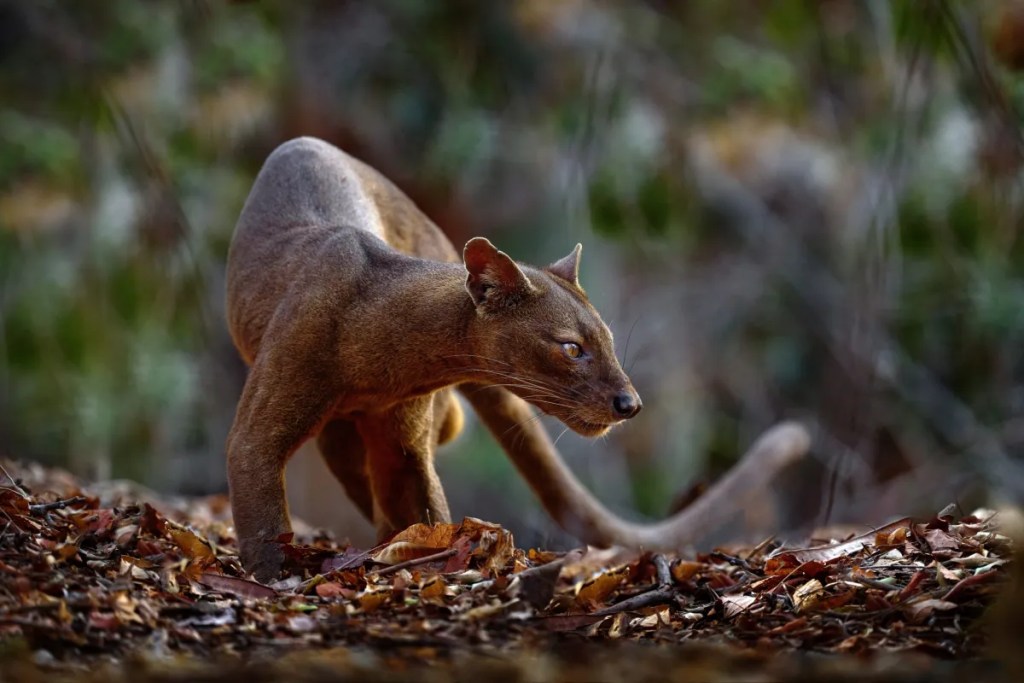
Recognizing this operational reality, the IUCN and partner organizations have integrated local community employment, scientific capacity building, and educational development directly into the biobanking project architecture. Local Malagasy students, university researchers, and wildlife rangers are being trained in molecular biology techniques, field cryo-sampling methods, and biodiversity informatics. By positioning local communities as primary custodians and beneficiaries of this scientific project, the initiative builds long-term local infrastructure and fosters environmental stewardship.
| Metric Parameter | Traditional In-Situ Parks | Live Biobank Cryo-Repository |
| Primary Failure Vector | Habitat Degradation / Poaching | Power Outage / Equipment Loss |
| Genetic Diversity Preservation | Limited by Population Bottleneck | Fixed High Genomic Variance |
| Storage Footprint | Hundreds of Square Kilometers | Small High-Security Cryo-Lab |
| Vulnerability to Climate Shift | High Vulnerability | Zero (Environmentally Isolated) |
| Long-term Financial Sustainability | Continuous Heavy Guard Costs | Low Stable Maintenance Costs |
Advanced Reproductive Technologies and the Future of Species De-Extinction
The creation of the Malagasy live biobank represents more than a biological storage repository; it constitutes a foundation layer for advanced biological engineering and future ecosystem restoration. As reproductive biology advances, the stored biological samples will enable conservationists to perform advanced genetic management that was considered science fiction just decades ago.
In populations where only a few dozen individuals survive in isolated forest fragments, introducing fresh genetic lines using traditional breeding can be logistically impossible or dangerously slow. With cryopreserved sperm, oocytes, and iPSCs available, researchers can use assisted reproductive technologies (ART) to introduce long lost alleles back into living populations. For instance, skin samples collected today from an indri lemur can be converted into functional gametes fifty years in the future, allowing scientists to fertilize eggs and implant embryos into closely related surrogate mothers.
Additionally, as gene editing tools like CRISPR-Cas9 continue to evolve, scientists could theoretically address genetic bottlenecks by repairing deleterious mutations within iPSC cell lines before using them in embryo creation. While primary ecological goals always emphasize protecting intact wild populations in their natural environments, having a bio banked cellular reservoir ensures that even if a species disappears completely from Madagascar’s forests, science retains the biological blueprint necessary to consider future reintroduction and de-extinction programs.
To explore similar global initiatives in genetic sequencing, biological research, and evolutionary preservation, researchers and environmental enthusiasts can consult comprehensive data published by the National Center for Biotechnology Information, which tracks genomic mapping and biological diversity projects worldwide.
Synthesizing Biological Innovation with Global Environmental Action
The establishment of Africa’s premier live biobank in Madagascar marks a historic junction in human efforts to manage Earth’s sixth mass extinction event. By bridging advanced stem cell biotechnology, international legal frameworks, and local Malagasy community development, this initiative provides a powerful template for global biodiversity preservation.
The challenges confronting Madagascar are emblematic of environmental pressures seen across tropical rainforest ecosystems in South America, Southeast Asia, and Central Africa. Climate change, human encroachment, and resource extraction continue to shrink natural habitats worldwide. However, by combining aggressive field conservation with high technology genomic repositories, humanity establishes an enduring defensive barrier for biological diversity.
The genetic samples currently frozen in liquid nitrogen tanks in Antananarivo and partner facilities across Europe represent far more than cellular tissue; they represent millions of years of unique evolutionary history preserved for eternity. As global research institutions continue refining stem cell protocols and environmental policy, Madagascar’s live biobank stands as an enduring beacon of scientific foresight, ecological commitment, and global environmental resilience.