





Sustainability is a crucial concept in today’s world, and as businesses are vital players in the economic landscape, they hold significant power in achieving environmental sustainability. By adopting eco-friendly practices, investing in renewable energy sources, reducing waste production, and supporting environmental conservation efforts, businesses can make a substantial impact on the planet. In this informative blog post, you will explore the vital role that businesses play in creating a more sustainable future for all.
Key Takeaways:
- Innovation: Businesses play a crucial role in developing innovative solutions to tackle environmental challenges.
- Responsibility: It is important for businesses to take responsibility for their environmental impact and work towards sustainability goals.
- Collaboration: Businesses need to collaborate with stakeholders, including governments and communities, to achieve environmental sustainability.
- Education: Businesses can raise awareness and educate consumers and employees about sustainable practices.
- Regulation: Adhering to environmental regulations and implementing sustainable practices can help businesses contribute to environmental sustainability efforts.
The Impact of Businesses on the Environment
While businesses are important for economic growth and societal development, their activities can have significant impacts on the environment. Two major ways in which businesses affect the environment are through resource depletion and pollution/waste generation.
Resource Depletion
For centuries, businesses have been extracting natural resources such as timber, fossil fuels, and minerals to fuel their operations and meet consumer demands. This relentless extraction has led to widespread resource depletion, where important resources are consumed at a faster rate than they can be replenished by natural processes.
Pollution and Waste Generation
An inevitable byproduct of industrial activities is the generation of pollution and waste. Whether it’s emissions from factories, chemicals leaching into water bodies, or mountains of discarded packaging materials, businesses contribute significantly to pollution levels and waste accumulation in the environment.
Businesses’ pollution and waste generation can have severe consequences on ecosystems, wildlife, and human health. Industrial pollutants can contaminate air, water, and soil, leading to respiratory illnesses, water contamination, and soil degradation. In addition, the sheer volume of waste produced by businesses contributes to overflowing landfills and littered landscapes, further exacerbating environmental degradation.
Impact:
As a consumer, it’s important to be aware of the environmental footprint of the products and services you support. By choosing to patronize environmentally conscious businesses and advocating for sustainable practices, you can influence positive change and help businesses transition towards more eco-friendly operations.
Environmental Sustainability Challenges Faced by Businesses
Climate Change and Energy Consumption
One of the significant challenges that businesses face in achieving environmental sustainability is climate change and energy consumption. As a business, it is crucial to assess and reduce your carbon footprint by implementing sustainable practices to mitigate the impacts of climate change. Energy consumption plays a vital role in contributing to greenhouse gas emissions, so optimizing energy usage and transitioning to renewable energy sources is vital for reducing environmental impact.
Supply Chain Management and Material Sourcing
On the other hand, supply chain management and material sourcing pose considerable challenges for businesses striving for environmental sustainability. Managing your supply chain to ensure ethical and sustainable practices throughout the production process can be complex but is necessary for reducing environmental harm. Material sourcing involves selecting suppliers that prioritize environmentally friendly materials and production methods, which can be a critical factor in your sustainability efforts.
Material sourcing is crucial as it directly impacts the environmental footprint of your products. By choosing suppliers that use sustainable materials and follow eco-friendly manufacturing processes, you can significantly reduce the negative environmental impact of your business operations. Ensuring transparency and accountability in your supply chain can help you track the origin of materials and make informed decisions to promote sustainability.
The Role of Businesses in Achieving Environmental Sustainability
Once again, businesses have a crucial role to play in achieving environmental sustainability. By implementing sustainable practices and technologies, companies can significantly reduce their carbon footprint and minimize their impact on the environment. Adoption of eco-friendly practices such as recycling, reducing energy consumption, and investing in renewable energy sources can not only benefit the planet but also improve the company’s bottom line in the long run.
Adoption of Sustainable Practices and Technologies
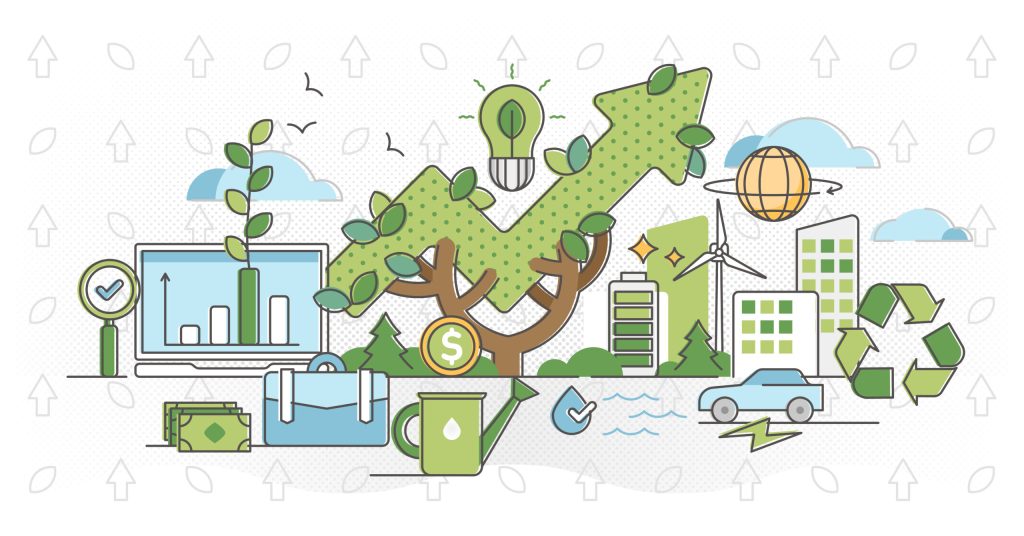
Adoption of sustainable practices and technologies is key for businesses looking to contribute positively to the environment. By incorporating green initiatives into daily operations, companies can actively work towards reducing waste, conserving resources, and lowering greenhouse gas emissions. Embracing sustainable practices not only demonstrates corporate responsibility but also positions the business as a leader in environmental stewardship.
Integration of Environmental Considerations into Business Strategy
Strategy is vital when it comes to integrating environmental considerations into your business operations. It is vital to align your company’s environmental goals with its overall strategic objectives to ensure that sustainability becomes ingrained in every aspect of the organization. By incorporating environmental considerations into your business strategy, you can highlight the importance of sustainability throughout the company and drive meaningful change that benefits both the planet and your business.
Benefits of Environmental Sustainability for Businesses
Cost Savings and Increased Efficiency
With environmental sustainability practices in place, businesses can experience substantial cost savings and increased efficiency. By implementing measures such as energy conservation, waste reduction, and resource optimization, you can lower operating expenses and enhance overall productivity. Sustainable practices often lead to the more efficient use of resources, resulting in significant cost reductions over time.
Enhanced Brand Reputation and Customer Loyalty
One of the major benefits of incorporating environmental sustainability into your business model is the enhanced brand reputation and increased customer loyalty it can bring. Consumers are becoming increasingly conscious of the environmental impact of the products and services they choose, and aligning your business with sustainability initiatives can differentiate your brand and attract environmentally-conscious customers.
Cost considerations aside, investing in sustainability can have long-term benefits for your business in terms of building a loyal customer base that values your commitment to social and environmental responsibility. Providing eco-friendly products and services can set your business apart from competitors and foster a positive brand image that resonates with consumers.
Barriers to Environmental Sustainability in Businesses
Not all businesses have seamlessly transitioned into prioritizing environmental sustainability. There are several barriers that prevent businesses from fully committing to eco-friendly practices.
Lack of Regulatory Frameworks and Incentives
Regulatory frameworks and incentives are crucial in influencing businesses to adopt environmentally sustainable practices. Without clear guidelines and regulations, companies may prioritize short-term profits over sustainable initiatives. Additionally, the lack of incentives for implementing green strategies can make it challenging for businesses to justify the additional costs associated with sustainability efforts.
High Upfront Costs and Limited Access to Funding
Sustainability often comes with high upfront costs, including investments in renewable energy sources, waste reduction technologies, and eco-friendly production processes. To make matters more challenging, many businesses, especially small and medium-sized enterprises, may struggle to access funding or loans to support their sustainability initiatives. This financial barrier can hinder the progress towards achieving environmental sustainability goals within a company.
Strategies for Overcoming Barriers to Environmental Sustainability
All The Role of Small Businesses in Sustainability are crucial in achieving environmental sustainability. As a business leader, it is crucial that you implement various strategies to overcome barriers and ensure your organization is contributing positively to the environment.
Collaboration and Partnerships with Stakeholders
With collaborative efforts and partnerships with stakeholders, you can enhance your sustainability initiatives. By working together with suppliers, customers, governmental organizations, and local communities, you can create a more impactful and sustainable approach. This collaboration can lead to innovative solutions, shared resources, and a positive impact on the environment.
Employee Engagement and Training Programs
One effective way to drive environmental sustainability within your business is through employee engagement and training programs. These programs can raise awareness among your staff about the importance of sustainability and provide them with the necessary knowledge and skills to contribute to your environmental goals.
To ensure the success of these programs, you can organize workshops, seminars, and training sessions focused on sustainability practices. By empowering your employees to be proactive in environmental sustainability efforts, you can create a more responsible and environmentally conscious workforce.
Conclusion
With this in mind, it is crucial for businesses to recognize their role in achieving environmental sustainability. By implementing sustainable practices, such as reducing waste, conserving energy, and using eco-friendly materials, businesses can significantly reduce their impact on the environment. As a business owner or employee, it is your responsibility to make environmentally conscious decisions that not only benefit your company but also the planet as a whole.
Keep in mind, small changes within your business can make a big difference in the long run. By taking steps to minimize your environmental footprint, you are not only helping to protect the planet for future generations but also setting an example for other businesses to follow. Together, we can work towards a more sustainable future where businesses play a vital role in protecting our environment.
Q: Why is environmental sustainability important for businesses?
A: Environmental sustainability is important for businesses because it helps protect the planet’s resources for future generations, reduces operational costs through energy and resource efficiency, enhances brand reputation, and can lead to regulatory compliance.
Q: How can businesses contribute to achieving environmental sustainability?
A: Businesses can contribute to achieving environmental sustainability by implementing sustainable practices such as reducing waste, conserving energy, using renewable resources, adopting green technologies, and promoting eco-friendly products and services.
Q: What are the benefits of businesses actively pursuing environmental sustainability?
A: The benefits of businesses actively pursuing environmental sustainability include cost savings, improved brand image and reputation, increased employee morale and productivity, enhanced customer loyalty, and a positive impact on the environment.
Q: What challenges do businesses face in integrating environmental sustainability into their operations?
A: Some challenges that businesses face in integrating environmental sustainability into their operations include high upfront costs, lack of awareness or commitment from stakeholders, limited access to sustainable resources, and regulatory barriers.
Q: How can businesses measure and track their progress towards environmental sustainability goals?
A: Businesses can measure and track their progress towards environmental sustainability goals by setting key performance indicators (KPIs) related to energy consumption, carbon emissions, waste generation, water usage, and other relevant metrics. They can also conduct regular sustainability audits and reporting to monitor their performance and make improvements as needed.