




Introduction: A Decade-Long Stalemate Comes to an End
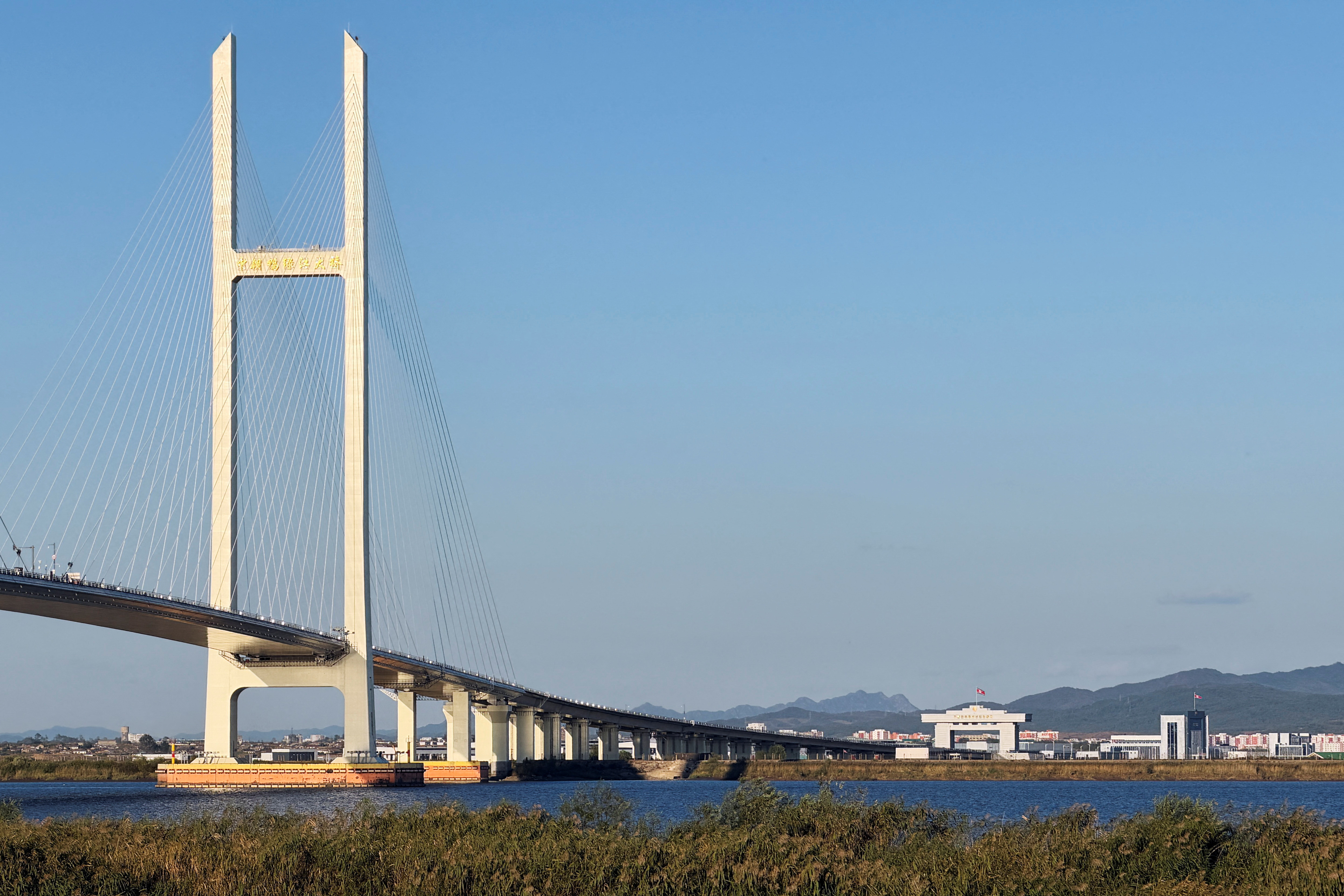
On October 15, 2026, a major infrastructure milestone was reached in Northeast Asia as China and North Korea officially opened the New Yalu River Bridge. Connecting the Chinese border metropolis of Dandong in Liaoning province with the North Korean city of Sinuiju in North Pyongan province, the four-lane highway bridge spans 3,026 meters (approximately 1.88 miles) across the Yalu River.
Although primary structural construction was completed by Beijing in 2014 at a cost exceeding $350 million (€320 million), the bridge remained completely idle for twelve years. The protracted delay stemmed from unfinished customs plazas, inspection depots, and connecting road networks on the North Korean bank, compounded by diplomatic friction over Pyongyang’s nuclear testing program and subsequent border sealings during the COVID-19 pandemic.
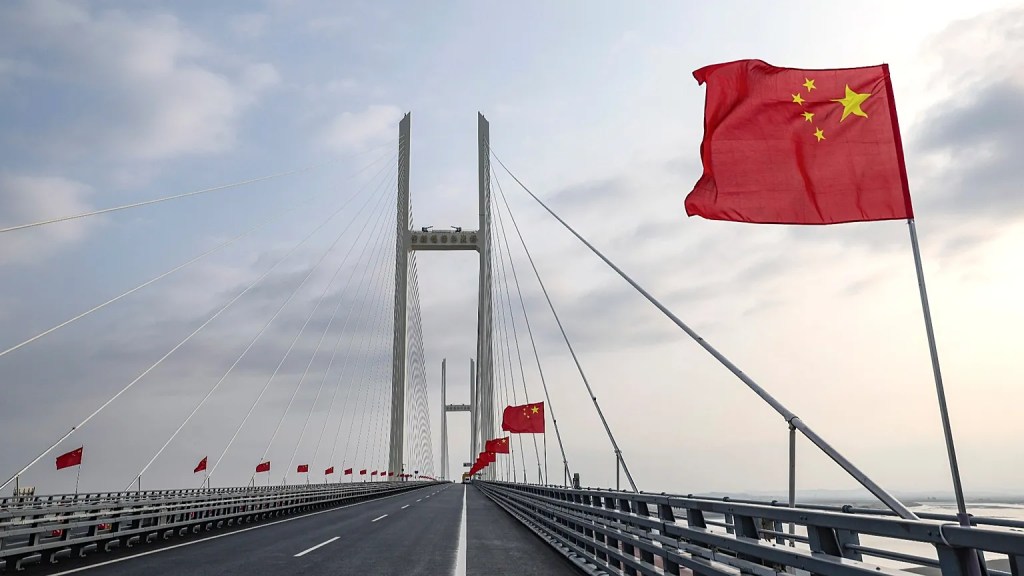
The formal inauguration was marked by a joint ribbon-cutting ceremony in Dandong, featuring strings of national flags, government dignitaries, and ceremonial convoys of flower-bedecked commercial vehicles crossing the frontier in both directions. Beyond its engineering dimensions, the bridge’s opening signals a profound geopolitical shift, underscoring renewed economic integration between Beijing and Pyongyang amid evolving global power dynamics.
Infrastructure Upgrade: Modernizing the Dandong-Sinuiju Corridor
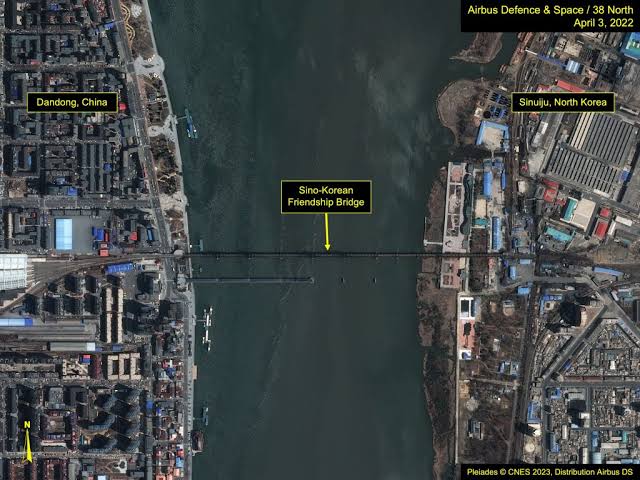
For nearly a century, the primary overland arterial between China and North Korea was the Sino-Korean Friendship Bridge. Originally constructed by the Imperial Japanese Army between 1937 and 1943, the legacy facility carries a single rail line and a single road lane. Because it cannot accommodate opposing vehicle flows simultaneously, border operators were forced to alternate traffic directions, creating massive logistics bottlenecks and capping daily freight throughput.
The New Yalu River Bridge dramatically alters regional transport economics. Engineered as a high-capacity cable-stayed bridge carrying four lanes of traffic (designated as part of Asian Highway 1), the facility increases potential daily vehicular capacity by more than 400%.
Key Technical & Logistics Comparison
| Structural & Operational Parameter | Legacy Sino-Korean Friendship Bridge | New Yalu River Bridge | Operational Impact |
| Construction Completion Year | 1943 (Imperial Japanese Army) | 2014 (Customs finished 2026) | Modern engineering standards |
| Total Length | ~940 meters (0.58 miles) | 3,026 meters (1.88 miles) | Extended deep-river clearance |
| Traffic Lanes | 1 Vehicular Lane + 1 Rail Line | 4 Vehicular Lanes (AH1) | Continuous two-way transport |
| Historical Freight Capacity | ~300–500 Trucks/Day (Bottlenecked) | ~2,000+ Trucks/Day (Projected) | +400% Freight Throughput |
| Bilateral Trade Share | Historical ~70% of DPRK-China trade | Primary Arterial for Cargo | Streamlined Customs Operations |
The Dandong–Sinuiju axis historically handles nearly 70% of total official trade between the two nations. With China accounting for roughly 95% of North Korea’s overall foreign commerce, opening this modern artery establishes an efficient supply chain for food, fuel, industrial machinery, and consumer commodities.
Geopolitical Thaw: Rapprochement Between Beijing and Pyongyang

The timing of the bridge opening reflects a deliberate foreign policy convergence. Relations between Beijing and Pyongyang experienced periods of cooling after 2017, when China supported United Nations Security Council (UNSC) sanctions targeting North Korea’s ballistic missile and nuclear tests. However, regional strategic calculations have evolved rapidly.
Over the past two years, North Korea has pursued active diplomacy, including deepening military and economic partnerships with Russia following the inauguration of a new road bridge connecting the two nations. To maintain its strategic influence along its northeastern border, Beijing has moved to reinforce its partnership with Pyongyang.

Key milestones leading to the opening include:
- Rail Freight Restoration (March 2026): Reopening cross-border rail links after multi-year pandemic suspensions.
- High-Level Bilateral Summits: Diplomatic engagements culminating in Chinese leadership visits to Pyongyang.
- Customs Facility Completion (August–September 2026): Satellite imagery confirmed rapid paving and construction of large-scale inspection plazas in Sinuiju.
According to international security research institutions, such as the Stockholm International Peace Research Institute (SIPRI), shifts in major-power rivalries frequently alter how regional border controls and trade agreements are managed. The opening serves as a visible demonstration of alignment, reinforcing stability along the 1,400-kilometer shared border.
Sanctions Enforcement and Economic Implications
The most controversial aspect of the bridge’s inauguration is its potential impact on international non-proliferation enforcement. North Korea remains under stringent UNSC trade bans prohibiting exports of coal, iron ore, textiles, and seafood, as well as capping imports of refined petroleum products.
Professors and security experts from Kyungnam University and the University of North Korean Studies in Seoul note that state-controlled inspection facilities on both sides of the river can easily facilitate non-compliant trade. Because China is North Korea’s primary economic counterparty, relaxed border monitoring at Dandong could enable Pyongyang to generate vital foreign currency reserves and source dual-use components.
Potential Sanctions Impact Matrix
- Raw Materials & Commodities: Higher volume capacity enables illicit bulk movement of minerals and coal across the border under cover of legitimate agricultural shipments.
- Dual-Use Goods: Expanded customs terminals make detailed physical inspections of containerized freight more challenging for external oversight bodies.
- Refined Petroleum: Truck convoy shipments can supplement pipeline deliveries, assisting Pyongyang in exceeding annual UNSC petroleum import quotas.
As geopolitical tensions between Washington and Beijing persist, Chinese enforcement of UN sanctions has grown increasingly passive. Beijing maintains that official commercial activities across the new bridge strictly serve human well-being and legitimate bilateral commerce.
Regional Outlook and Economic Future
The operationalization of the New Yalu River Bridge marks a new chapter in Northeast Asian economic geography. For North Korea, it offers a high-capacity lifeline that reduces logistics costs and supports domestic economic recovery. For China, it secures strategic access and stabilizes its northeastern rust-belt economy in Liaoning province.
As heavy freight traffic begins moving across the Yalu River, international monitoring groups and Western governments will closely track trade volumes at Dandong. The long-delayed bridge is no longer merely a concrete monument to stalled diplomacy; it is now an active economic conduit connecting North Korea directly to global supply networks.