


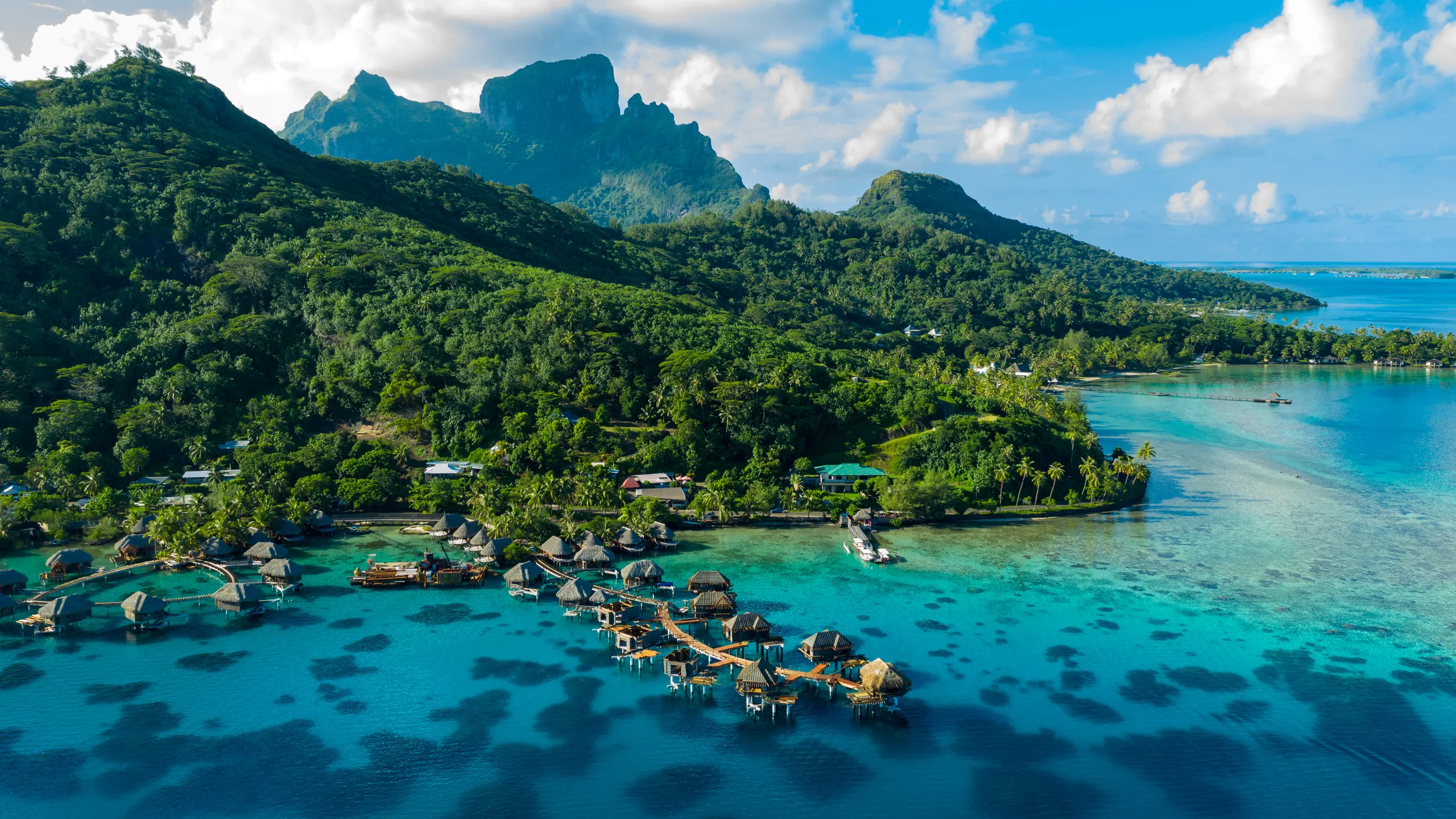
Embarking on a trip to Oceania is an exciting and enriching experience, but it requires careful planning to make the most of your trip. In this guide, you will find important tips and advice to help you meticulously plan your adventure to the stunning continent of Oceania. From choosing the best time to visit to packing efficiently and exploring hidden gems, this comprehensive guide will ensure that your trip is smooth and unforgettable. So, get ready to look into the beauty of Oceania with confidence and preparedness!
Key Takeaways:
- Research is key: Ensure you research the countries you want to visit in Oceania, including their culture, language, and visa requirements.
- Plan in advance: Oceania is vast and diverse, so plan your itinerary well in advance to make the most of your trip.
- Consider transportation: Transportation between islands in Oceania can vary, so think about how you will move around during your trip.
- Pack appropriately: Oceania has a range of climates, so pack clothing suitable for different weather conditions.
- Respect the environment: Oceania is home to diverse ecosystems, so make sure to take care of the environment during your travels.
Understanding Oceania
To truly appreciate the beauty and diversity of Oceania, it is crucial to understand the various types of travel destinations this region has to offer. From the stunning beaches of Fiji to the rugged landscapes of New Zealand and the bustling cities of Australia, Oceania has something for every type of traveler. Whether you are looking for adventure, relaxation, or cultural immersion, you can find it all in this vast and diverse region.
Types of Travel Destinations in Oceania
- Beach destinations like Fiji, Tahiti, and the Whitsunday Islands
- Adventure destinations like New Zealand, Papua New Guinea, and Hawaii
- Cultural destinations like Australia, Samoa, and Tonga
- Nature destinations like the Great Barrier Reef, Bora Bora, and the Blue Mountains
- City destinations like Sydney, Auckland, and Honolulu
Recognizing the different types of travel destinations in Oceania can help you narrow down your choices and plan a trip that aligns with your interests and preferences.
Assuming you have a general idea of the type of destination you want to visit in Oceania, there are several factors you should consider when choosing a specific location for your trip. Factors such as budget, time of year, transportation options, and visa requirements can all play a significant role in determining the best destination for you. By taking these factors into account, you can ensure that your trip to Oceania is not only enjoyable but also hassle-free.
Factors to Consider When Choosing a Destination
- Cost of living and travel expenses
- Weather and climate conditions
- Accessibility and transportation options
- Visa requirements and entry restrictions
- Safety and security concerns
Perceiving these factors can help you make an informed decision and choose a destination that meets your needs and expectations. Whether you are a budget traveler looking for a bargain or a luxury traveler seeking exclusive experiences, Oceania has a destination that is perfect for you.
Even if you have narrowed down your choices to a specific type of destination and considered all the relevant factors, it is crucial to weigh the pros and cons of visiting different countries in Oceania. Each country in the region offers unique attractions, experiences, and challenges that you should take into account before making your final decision. By thoroughly researching and comparing the pros and cons of each destination, you can make the most of your trip to Oceania and create unforgettable memories.
Pros and Cons of Visiting Different Countries in Oceania
| Pros | Cons |
|---|---|
| Stunning landscapes | High cost of living |
| Rich cultural heritage | Seasonal weather variations |
| Unique wildlife | Limited transportation options |
| Adventurous activities | Language barriers |
Recognizing the pros and cons of visiting different countries in Oceania can help you make an informed decision and choose the destination that best fits your travel preferences and expectations. Whether you prioritize affordability, safety, or cultural experiences, there is a country in Oceania that is perfect for you.
Pros and Cons of Visiting Different Countries in Oceania
| Pros | Cons |
|---|---|
| Breathtaking natural beauty | Remote locations |
| Warm and welcoming locals | Limited infrastructure |
| Unique indigenous cultures | High tourist traffic |
Traveling to Oceania offers a unique opportunity to explore a diverse range of countries and cultures in one breathtaking region. By considering the pros and cons of visiting different countries in Oceania, you can make the most of your trip and create unforgettable memories that will last a lifetime.
Visiting Oceania is a dream come true for many travelers, with its stunning landscapes, vibrant cultures, and warm hospitality. Whether you are an adventure seeker, a beach bum, or a city slicker, there is something for everyone in this diverse region. From the bustling streets of Sydney to the tranquil shores of Bora Bora, Oceania is a treasure trove of unique experiences waiting to be explored.
Planning Your Trip
Little do you know, planning a trip to Oceania can be an exciting and rewarding experience. To kickstart your planning process, check out this Oceania Travel Guide – Best Places To Visit In Oceania for an overview of the top destinations in the region. This guide will give you a good idea of where you might want to go and what activities you can enjoy while in Oceania.
Step-by-Step Guide to Booking Flights to Oceania
An crucial part of planning your Oceania trip is booking your flights. Below is a step-by-step guide to help you navigate through the process:
| Step | Action |
| 1 | Research and compare flight options to Oceania. |
| 2 | Check for deals and discounts on airline websites or third-party booking platforms. |
| 3 | Book your flights well in advance to secure the best prices and availability. |
Tips for Finding Affordable Accommodation

Affordable accommodation is key to a budget-friendly trip to Oceania. Here are some tips to help you find the best deals on places to stay:
- Consider staying in hostels or guesthouses for budget-friendly options.
- Look for accommodation deals on travel websites and booking platforms.
- Book your accommodation in advance to secure lower prices and availability.
Any savvy traveler knows that saving on accommodation means more money for exciting activities and experiences during your trip.
How to Plan Your Itinerary
Oceania is a vast region with plenty to see and do, so planning your itinerary is crucial for making the most of your time there. Here are some tips to help you create an unforgettable Oceania itinerary:
Guide yourself by researching top attractions and activities in each destination you plan to visit. By having a rough outline of your itinerary, you can ensure you don’t miss out on any must-see sights.
For instance, consider creating a day-by-day schedule to allocate time for specific activities or tours. This can help you make the most of your trip and ensure you experience the best of what Oceania has to offer.
Essential Documents and Preparation
Obtaining Necessary Visas and Travel Documents
Even if you are a seasoned traveler, going to Oceania requires some additional preparation. Before you initiate on your journey, make sure to check the visa requirements for the specific country or countries you plan to visit. Some countries in Oceania may require a visa for entry, while others have visa waivers for certain nationalities. Visit the Oceania Travel Guide – Everything you need to know for detailed information on visa requirements.
Additionally, ensure that your passport is valid for at least six months beyond your intended stay. It’s also a good idea to make copies of your passport and other important travel documents and keep them in a separate place while traveling. This precaution can be a lifesaver in case your documents are lost or stolen during your trip.
Remember that visa processing times can vary, so it’s advisable to apply well in advance of your travel date to avoid any last-minute hassles. By taking care of these details ahead of time, you can focus on enjoying your Oceania adventure without any unnecessary stress.
Vaccinations and Health Requirements
Even if you’re in good health, it’s vital to check the vaccination requirements for Oceania. Depending on the specific countries you plan to visit and your medical history, certain vaccines may be recommended or required for entry. Common vaccines for Oceania include those for hepatitis A and B, typhoid, and influenza.
For instance, if you plan to visit remote areas or engage in outdoor activities like hiking or camping, additional vaccines such as rabies or Japanese encephalitis may be necessary. Consult with your healthcare provider or visit a travel clinic at least six weeks before your trip to ensure you have ample time to complete any vaccine series.
It’s also a good idea to pack a small travel health kit with vitals like over-the-counter medications, insect repellent, and sunscreen. By taking these proactive steps, you can help safeguard your health and well-being while exploring the stunning landscapes of Oceania.
Packing Essentials for Oceania
With its diverse climate and landscapes, packing for Oceania requires careful consideration. Whether you’re heading to the beaches of Fiji, the mountains of New Zealand, or the urban centers of Australia, versatile clothing is key. Pack lightweight, breathable fabrics for warmer regions and layer up with fleece jackets and waterproof gear for cooler climates.
Another vital item to pack for your Oceania adventure is a sturdy pair of walking shoes. Whether you’re hiking through lush rainforests, exploring volcanic terrain, or strolling through vibrant cities, comfortable footwear is a must. Don’t forget to pack a reusable water bottle to stay hydrated on your travels and reduce plastic waste.
Transportation and Getting Around
Now, let’s talk about transportation and getting around in Oceania. When planning your trip to this diverse region, it’s important to consider the various modes of transportation available to help you navigate between islands or countries. Oceania offers a range of transportation options, from planes and ferries to cars and buses. Understanding these options will play a crucial role in making your journey smooth and enjoyable.
Types of Transportation in Oceania
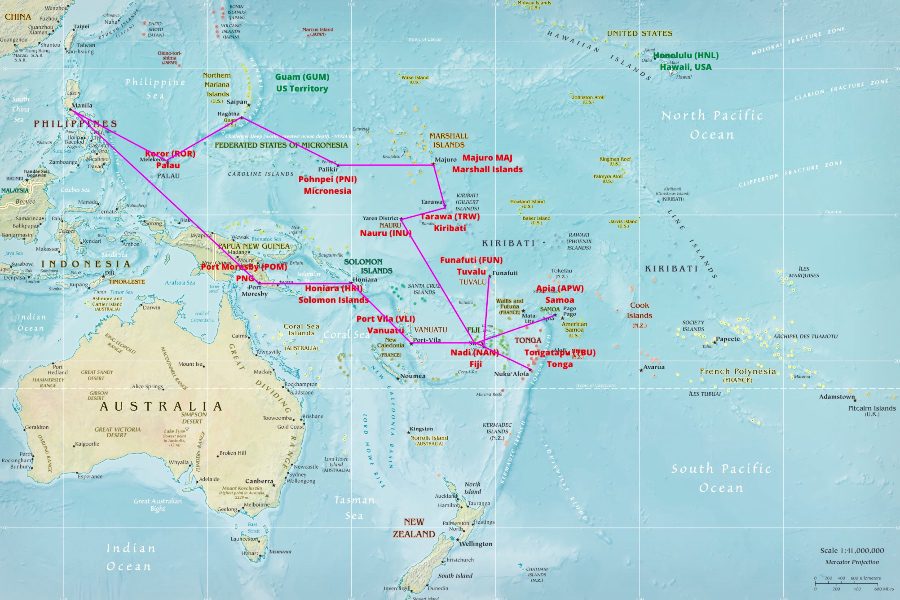
Any trip to Oceania will involve a mix of transportation methods. Here are the most common types of transportation you may encounter during your travels in the region:
| 1. Airplanes | Fastest way to travel between islands or countries. |
| 2. Ferries | Ideal for island hopping and exploring coastal regions. |
| 3. Cars | Great for exploring at your own pace and reaching remote destinations. |
| 4. Buses | Cost-effective way to travel within cities and between towns. |
| 5. Trains | Limited availability but convenient for certain routes. |
Perceiving these different transportation options will help you craft an efficient and flexible itinerary that suits your preferences and budget. Whether you prefer the convenience of flying between islands or the freedom of driving along picturesque coastal roads, Oceania has something for every type of traveler.
Renting a Car or Campervan in Oceania
Transportation is key when exploring Oceania, and renting a car or campervan can provide you with the freedom to discover the region at your own pace. Having your own vehicle allows you to visit off-the-beaten-path destinations, stop at scenic viewpoints, and create a personalized itinerary tailored to your interests. Additionally, camping grounds and facilities are plentiful in Oceania, making it easy to launch on a road trip adventure.
Around Oceania, you’ll find numerous car rental companies offering a variety of vehicles to suit your needs. Whether you opt for a compact car for city exploration or a spacious campervan for a more immersive experience, renting a vehicle can enhance your travel experience in Oceania. Make sure to familiarize yourself with local driving regulations and road conditions to ensure a safe and enjoyable journey throughout the region.
Using Public Transportation in Oceania
Any exploration of Oceania can be complemented by utilizing public transportation options available in different countries. Public buses, trains, and ferries provide convenient ways to travel within cities and between regions, offering you a chance to experience local life and culture. Some cities have efficient public transportation networks that can help you navigate urban areas easily.
The availability and quality of public transportation may vary between countries in Oceania, so it’s vital to research and plan your routes in advance. While larger cities like Auckland, Sydney, and Wellington have well-developed public transport systems, more remote areas may have limited options. By incorporating public transportation into your itinerary, you can reduce your carbon footprint and support sustainable travel practices during your exploration of Oceania.
Budgeting and Costs
After deciding to travel to Oceania, the next step is to plan out your budget for the trip. This involves considering various factors that can affect the overall cost of your journey. Understanding these factors will help you make informed decisions and ensure that you have a realistic budget in place before you initiate on your adventure.
Factors Affecting the Cost of Your Trip
- The time of year you plan to visit Oceania can greatly impact the cost of your trip, with high seasons being more expensive than low seasons.
- The choice of accommodation, transportation, and activities can also significantly influence the overall cost of your trip.
- Exchange rates, visa fees, travel insurance, and other unforeseen expenses should be factored into your budget to avoid any financial surprises during your travels.
Assume that by carefully considering these factors and planning ahead, you can effectively manage and control the costs of your trip to Oceania.
Tips for Saving Money in Oceania
Little adjustments and smart choices can go a long way in helping you save money during your travels in Oceania. Here are some tips to help you stay within your budget while still enjoying all that this beautiful region has to offer:
- Opt for budget accommodations such as hostels or campsites instead of luxury hotels.
- Travel like a local by using public transportation and eating at local eateries rather than touristy restaurants.
- Consider cooking your meals instead of dining out every day to save on food expenses.
Assume that by implementing these money-saving tips, you can stretch your budget further and make the most of your trip to Oceania without breaking the bank.
Some other ways to save money while traveling in Oceania include booking flights in advance, taking advantage of discounts and deals, and avoiding unnecessary splurges on souvenirs or activities that are not important to your travel experience.
- Assume that with a little discipline and mindfulness about your spending habits, you can stick to your budget and have a memorable and affordable adventure in Oceania.
Average Costs of Traveling in Oceania
To accurately budget for your trip to Oceania, it’s important to have a good understanding of the average costs associated with traveling in this region. Expenses such as accommodation, meals, transportation, and activities can vary depending on the country you are visiting and your travel style.
To ensure that you have a realistic budget in place for your trip to Oceania, consider the average costs of accommodation, food, transportation, and activities in the specific countries you plan to visit. This way, you can estimate your daily expenses and plan accordingly to avoid any financial strain during your travels.
Affecting
Factors such as the duration of your stay, the activities you choose to participate in, and the level of comfort you prefer can all impact the overall cost of your trip to Oceania. By carefully considering these factors and researching the average costs in advance, you can budget effectively and ensure a smooth and enjoyable travel experience in this diverse and stunning region.
Staying Safe and Healthy
Despite the stunning beauty and enchanting landscapes of Oceania, it’s important to prioritize your safety and well-being during your travels. For comprehensive travel advice and tips on navigating this region, refer to the Oceania Travel Guide – Tips / Must-see / Itinerary Planning.
Safety Tips for Traveling in Oceania
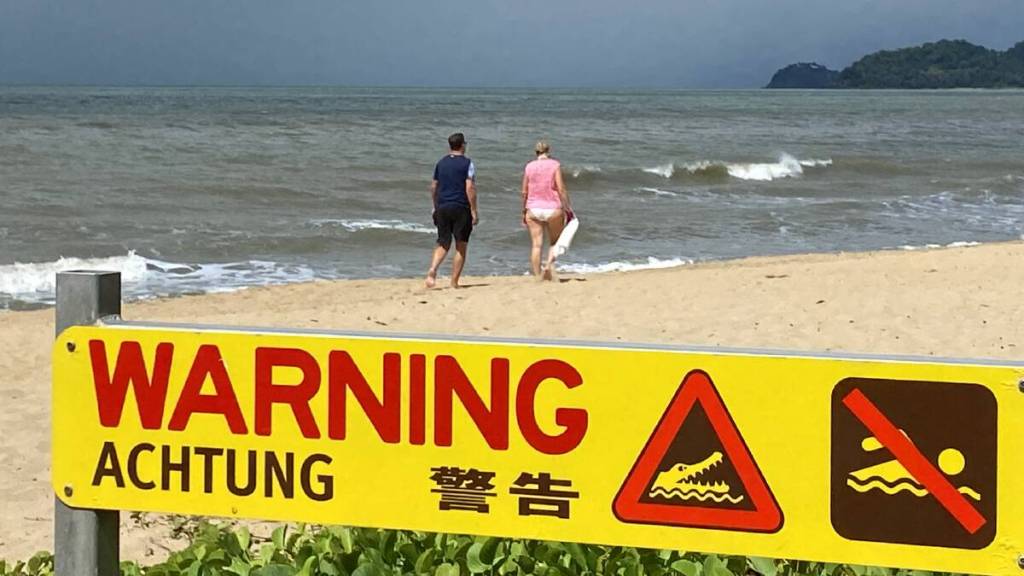
Some safety tips to keep in mind while traveling in Oceania include staying vigilant in crowded areas and tourist spots to avoid pickpocketing incidents. It’s also recommended to secure your belongings and valuables at all times and be cautious when exploring secluded or unfamiliar locations. Additionally, always research and follow local customs and traditions to show respect for the culture of the places you visit.
-
- Avoid displaying large sums of money or valuable items in public.
- Keep important documents such as passports and travel insurance information secure.
- Stay updated on weather conditions and potential natural hazards in the region.
After a long day of exploration, remember to stay hydrated and rest adequately to maintain your energy levels and prevent fatigue.
Dealing with Emergencies in Oceania
Dealing with emergencies while traveling can be a stressful experience, especially in unfamiliar surroundings. In case of any unforeseen circumstances, it’s crucial to remain calm and seek assistance from local authorities or emergency services. Make sure to have important contact numbers saved in your phone and keep a printed copy of important documents in a secure location.
A quick response and effective communication can be key in handling emergencies efficiently and ensuring your safety during your travels.
Staying Healthy While Traveling in Oceania
With diverse landscapes and climates in Oceania, it’s important to prioritize your health during your journey. Start by carrying necessary medications and ensuring you have access to medical facilities in case of any health issues. Additionally, maintain proper hygiene practices, such as washing your hands frequently and consuming safe and clean food and water.
Remember to pack a small first aid kit with important supplies and familiarize yourself with local health services to address any medical concerns promptly.
A healthy traveler is a happy traveler, so prioritize your well-being by staying active, getting enough rest, and nourishing your body with nutritious meals while exploring the wonders of Oceania.
Tips for staying healthy while traveling include wearing sunscreen to protect your skin from the strong UV rays, staying hydrated throughout the day, and getting regular exercise to keep your body active and energized.
Final Words
Presently, you should have a thorough understanding of what to expect when planning a trip to Oceania. From choosing the right time to visit based on weather and peak seasons, to selecting the best destinations for your interests, you are now equipped with the knowledge to create a memorable travel experience. Remember to consider your budget and transportation options, as well as the necessary travel documents required for entry into each country in Oceania.
As you launch on your journey to Oceania, make sure to pack appropriately for the diverse climates you may encounter and immerse yourself in the rich culture and natural beauty of the region. Take advantage of the numerous outdoor activities and explore the stunning landscapes that Oceania has to offer. Whether you are diving in the Great Barrier Reef, hiking in New Zealand’s national parks, or relaxing on the pristine beaches of Fiji, there is something for every type of traveler in Oceania.
Overall, by following this comprehensive guide and taking into account all the necessary factors when planning your trip to Oceania, you are sure to have an incredible and unforgettable experience. Embrace the unique charm and hospitality of the local people, savor the delicious cuisine, and create lasting memories that will stay with you long after you return home. Bon voyage!
Q: What countries are included in Oceania?
A: Oceania includes countries such as Australia, New Zealand, Fiji, Papua New Guinea, and many more.
Q: When is the best time to visit Oceania?
A: The best time to visit Oceania is during the dry season, which is typically from April to October.
Q: What are some must-visit destinations in Oceania?
A: Some must-visit destinations in Oceania include the Great Barrier Reef in Australia, Milford Sound in New Zealand, and Bora Bora in French Polynesia.
Q: What activities can I do in Oceania?
A: In Oceania, you can enjoy activities such as snorkeling in the Great Barrier Reef, hiking in the Fiordland National Park, and surfing in Fiji.
Q: What should I pack for a trip to Oceania?
A: When planning a trip to Oceania, make sure to pack light clothing, swimwear, hiking shoes, sunscreen, and insect repellent.
