



You may have often wondered about the fascinating realm of human cloning and its potential to become a reality. In this blog post inspired by the curiosity of scientific exploration, we explore into the current advancements, ethical considerations, and future possibilities surrounding the captivating prospect of human cloning. Let’s initiate on a journey through the complex and thought-provoking landscape of cloning technology together.
Key Takeaways:
- Ethical Concerns: One of the major obstacles to human cloning becoming a reality is the ethical concerns surrounding the practice.
- Technological Challenges: The technological challenges involved in human cloning, such as low success rates and potential health risks, are significant barriers to its realization.
- Legal Issues: Legal frameworks around the world often prohibit human cloning, making it difficult for it to become a widespread reality.
- Social Resistance: There is significant social resistance to the idea of human cloning, further complicating its potential for becoming a reality.
- Scientific Advancements: Despite the challenges, ongoing scientific advancements in cloning technologies continue to push the boundaries of what is possible in this field.
The Science Behind Cloning
DNA Replication and Gene Expression
The process of human cloning involves intricate scientific mechanisms that begin at a cellular level. DNA replication is a crucial first step in cloning, where the complete set of an individual’s genetic information is duplicated. This process is imperative for creating an identical copy of an organism. Gene expression follows DNA replication, where the duplicated genetic information is used to produce proteins and carry out various functions within the cell.
Somatic Cell Nuclear Transfer (SCNT) Technique
Science has made significant advancements in the field of cloning through the development of techniques such as Somatic Cell Nuclear Transfer (SCNT). In SCNT, the nucleus of a somatic cell is transferred into an egg cell that has had its nucleus removed. This technique allows for the reprogramming of the somatic cell nucleus to develop into an embryo, ultimately leading to the creation of a genetically identical organism.
Transfer of the somatic cell nucleus into an enucleated egg cell requires precise manipulation and expertise. Scientists carefully control the environment and conditions to ensure the successful development of the cloned embryo. This technique has shown promise in animal cloning experiments and raises possibilities for its application in human cloning in the future.
Historical Attempts at Human Cloning
Assuming you are curious about the history of human cloning attempts, you may find it fascinating to explore the early experiments and failures in this field. If you are interested in diving deeper into this topic, you can read more about it here.
Early Experiments and Failures
An understanding of the historical attempts at human cloning reveals a series of early experiments and failures that have paved the way for our current knowledge and advancements in cloning technology. These initial trials, though not successful in producing a cloned human, offered valuable insights and lessons that scientists have built upon over the years.
The First Mammal Clone: Dolly the Sheep
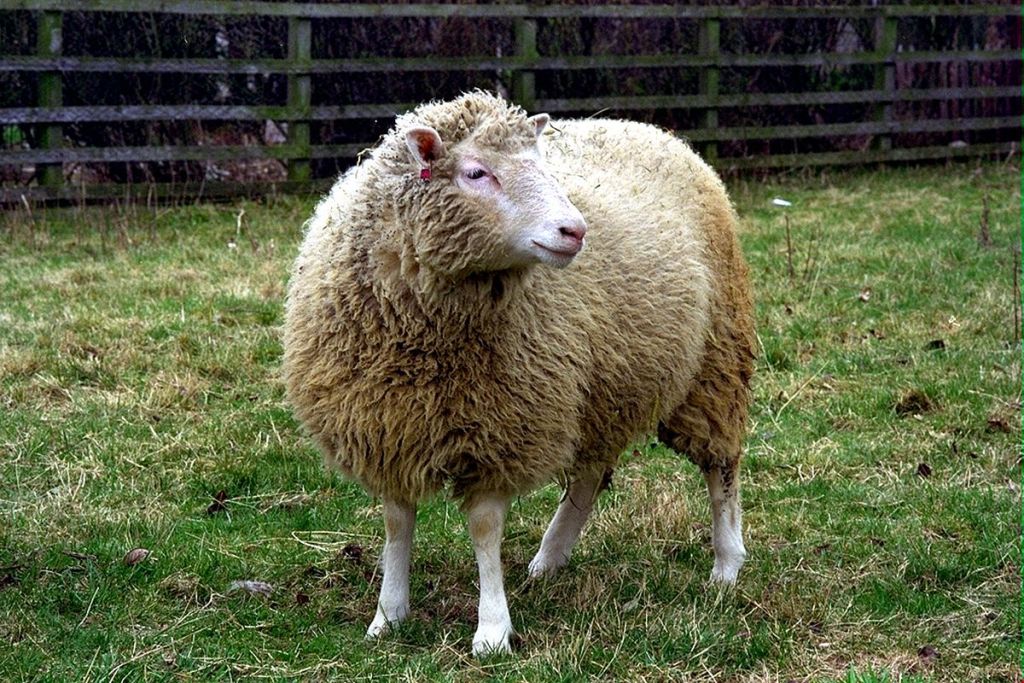
Another significant milestone in the history of cloning was the successful cloning of the first mammal, Dolly the Sheep, in 1996. Dolly was the first mammal to be cloned from an adult somatic cell through a process called somatic cell nuclear transfer (SCNT). This breakthrough opened up new possibilities and sparked both excitement and ethical debates regarding the potential for human cloning.
Ethical Concerns and Debates
After exploring the scientific advancements and possibilities surrounding human cloning, it is necessary to examine into the ethical concerns and debates that arise in this controversial field.
Religious and Moral Objections
With human cloning, religious and moral objections often come into play. Many religious groups believe that cloning interferes with the natural order of creation and goes against the belief in the sanctity of human life. The idea of creating life artificially in a laboratory setting raises profound moral questions about the boundaries of science and the role of humans in playing “creator.”
Potential Misuse and Unethical Applications
One of the main ethical concerns surrounding human cloning is the potential misuse and unethical applications of this technology. The ability to clone humans could lead to scenarios where individuals are cloned for specific purposes, such as organ harvesting or creating superior humans with desired traits. This raises serious questions about individual autonomy, identity, and the value of human life.
Moral and ethical guidelines must be established to regulate the use of human cloning technology to ensure that it is used for beneficial purposes and does not infringe upon human rights or dignity.
Medical and Therapeutic Possibilities
Your curiosity about human cloning may stem from various sources, one of which might be the advancements in cloning technology that have been applied to animals. Articles like “Is it time to worry about human cloning again? | Pets” discuss the current state of cloning technology and its potential ethical implications for humans.
Regenerative Medicine and Organ Transplantation
On the medical front, one of the most promising applications of human cloning technology is in regenerative medicine and organ transplantation. Imagine being able to grow a genetically identical replacement organ from your own cells, eliminating the risk of rejection commonly associated with organ transplants. This could revolutionize the field of medicine and significantly improve the quality of life for many individuals in need of organ transplants.
Treatment of Genetic Disorders and Diseases
Transplantation directly ties in with the treatment of genetic disorders and diseases. Through human cloning, scientists could potentially develop specialized cells or tissues to replace those affected by genetic mutations. This personalized approach to medicine holds the promise of targeted treatments for conditions like cystic fibrosis, sickle cell anemia, and various types of cancer, offering hope for those currently facing limited treatment options.
Plus, the ability to create genetically identical stem cells through cloning opens up possibilities for studying disease mechanisms and testing potential treatments in ways that were previously unimaginable. This avenue of research could lead to groundbreaking discoveries in the field of medicine and pave the way for innovative therapeutic interventions.
Technical Challenges and Limitations
Epigenetic Instability and Abnormalities
One of the technical challenges in human cloning is the issue of epigenetic instability and abnormalities. Epigenetics refers to changes in gene expression that occur without alterations in the DNA sequence itself. During the process of cloning, the reprogramming of the donor cell’s nucleus to become a totipotent cell, capable of developing into a full organism, can lead to errors in this epigenetic reprogramming. These errors can result in abnormal gene expression patterns, leading to developmental abnormalities or health issues in the cloned individual.
Mitochondrial DNA and Telomere Shortening
Limitations also arise from mitochondrial DNA and telomere shortening. Mitochondrial DNA, which is separate from the nuclear DNA, plays a crucial role in cellular function. During the cloning process, the mismatch between the donor nucleus and the recipient egg’s mitochondria can lead to mitochondrial dysfunction in the cloned individual. Additionally, telomeres, the protective caps on the ends of chromosomes that shorten with each cell division, can be prematurely aged in clones, leading to accelerated aging and potential health problems.
Technical challenges related to mitochondrial DNA and telomere shortening contribute to the limitations of human cloning. These biological factors must be carefully considered and overcome in order to create healthy and viable clones.
Current Status and Future Prospects
All the promising advancements in scientific research are gradually pushing the boundaries of what was once thought impossible. If you are curious about the current status and future prospects of human cloning, it’s important to probe The Facts and Fiction of Cloning.
Advances in Stem Cell Research and Gene Editing
One exciting area to explore in cloning is the strides made in stem cell research and gene editing. Scientists have been able to use these technologies to manipulate genetic material and even create induced pluripotent stem cells, which can potentially be used to grow tissues or organs for transplantation.
Ongoing Cloning Research and Breakthroughs
On the frontier of cloning research, scientists are continuously making breakthroughs. Researchers have successfully cloned various animals, such as sheep and monkeys, which suggests that human cloning might not be entirely out of reach. However, ethical and moral considerations continue to surround the idea of human cloning, posing challenges to its widespread acceptance.
Prospects for the future of human cloning remain uncertain. While there have been significant strides in cloning technology, the ethical and societal implications of human cloning persist as major hurdles. The ongoing research and breakthroughs in the field offer a glimpse of what may be possible in the future, but the journey towards human cloning becoming a reality is still fraught with complexities and uncertainties.
Final Words
Drawing together the various aspects explored in this article, it is clear that the ethical, scientific, and societal challenges surrounding human cloning are complex and multifaceted. While advancements in technology have allowed for successful cloning of animals, the prospect of human cloning raises many important questions and concerns that must be carefully considered.
As you reflect on the possibilities and implications of human cloning, remember to approach the topic with an open mind and a critical eye. Only through rigorous examination and thoughtful discussion can society navigate the ethical and scientific complexities surrounding human cloning and determine if this controversial practice will ever become a reality.
Q: What is human cloning?
A: Human cloning is the process of creating a genetically identical copy of a human being.
Q: Is human cloning currently possible?
A: As of now, human cloning is not yet a reality and is considered illegal in many countries.
Q: What are the ethical concerns surrounding human cloning?
A: Ethical concerns about human cloning include the potential for abuse, the violation of human rights, and the uncertainty of the long-term effects on the cloned individual.
Q: What are some potential benefits of human cloning?
A: Some argue that human cloning could have medical benefits such as creating organs for transplant or helping to understand genetic diseases better.
Q: What are the scientific challenges that need to be overcome for human cloning to become a reality?
A: Some of the scientific challenges include technical difficulties in cloning human embryos, concerns about the health and lifespan of cloned individuals, and the need for strict regulations to prevent misuse of the technology.
