



Delve into cutting-edge innovation with Apple AI technology. Have you ever wondered what gives Apple AI an edge over its competitors? Let’s uncover the unique features that set Apple apart in the world of artificial intelligence. Strap in and get ready to explore the extraordinary capabilities of Apple AI technology that redefine what is possible in the digital landscape.
Key Takeaways:
- Integration: Apple AI technology is seamlessly integrated into their devices and ecosystem, providing a unified user experience.
- Privacy: Apple places a strong emphasis on user privacy and data security, ensuring that AI technologies are designed with user protection in mind.
- Machine Learning: Apple AI technology utilizes advanced machine learning algorithms to provide more personalized and intelligent experiences to users.
- On-device Processing: Apple focuses on on-device processing for AI tasks, reducing the need to send data to the cloud and improving speed and privacy.
- User Experience: Apple AI technology is designed to enhance the overall user experience by providing intuitive and intelligent features across their products.
The Evolution of AI at Apple
Your journey through Apple AI technology evolution is a fascinating one. From the inception of Siri to the sophisticated Core ML, Apple has consistently pushed the boundaries of what AI can achieve on its devices.
From Siri to Core ML
On this evolutionary path, you witnessed the introduction of Siri, Apple virtual assistant, which changed the way we interact with our devices. Siri paved the way for advancements in AI technology, leading to the development of Core ML, Apple machine learning framework. Core ML empowers developers to integrate machine learning models into their apps, creating a more personalized and intelligent user experience.
Acquisitions and Partnerships
One significant aspect of Apple’s AI evolution is its strategic acquisitions and partnerships. Through astute acquisitions like Emotient, Turi, and Shazam, Apple has bolstered its AI capabilities and expanded its talent pool. Collaborations with companies like IBM and Salesforce have further enhanced Apple’s AI ecosystem, driving innovation and growth in this rapidly evolving field.
With each acquisition and partnership, Apple has solidified its position as a leader in AI technology, continuously raising the bar for intelligent, user-centric experiences across its products and services.
Unique Approach to AI Development
Little do you know, Apple has taken a unique approach to AI development, setting it apart from others in the tech industry. According to Apple leaps into AI with an array of upcoming iPhone features …, the company’s focus on on-device processing and user privacy distinguishes its AI technology from the rest.
Focus on On-Device Processing
For Apple, on-device processing is key to enhancing user experience and privacy. By leveraging the power of the device itself to handle complex AI tasks, such as image recognition and natural language processing, your data stays private and secure on your iPhone or iPad.
Emphasis on User Privacy
For Apple, user privacy is at the core of its AI development. The company ensures that your personal data is not mined or shared with third parties when utilizing AI features. This commitment to privacy sets Apple apart, making it a trusted choice for those who value keeping their information secure.
Unique to Apple’s approach is the belief that cutting-edge AI technology can coexist with a strong commitment to safeguarding your privacy. Unlike some companies that monetize user data, Apple’s focus is on developing AI that works seamlessly while respecting your personal information.
Machine Learning Algorithms
Despite the abundance of machine learning algorithms in the tech industry, Apple AI technology stands out due to its innovative approach and effectiveness. One key aspect that sets Apple apart is its utilization of neural networks and deep learning techniques.
Neural Networks and Deep Learning
One of the fundamental aspects of Apple AI technology is its use of neural networks and deep learning algorithms. These algorithms mimic the way the human brain works, enabling computers to learn from large amounts of data and make complex decisions. By training these networks with vast datasets, Apple’s AI can recognize patterns, make predictions, and continuously improve its accuracy over time. This allows Apple devices to provide personalized experiences, such as predictive text suggestions, facial recognition, and voice assistants like Siri, that feel intuitive and seamless to you.
Natural Language Processing (NLP) Advancements
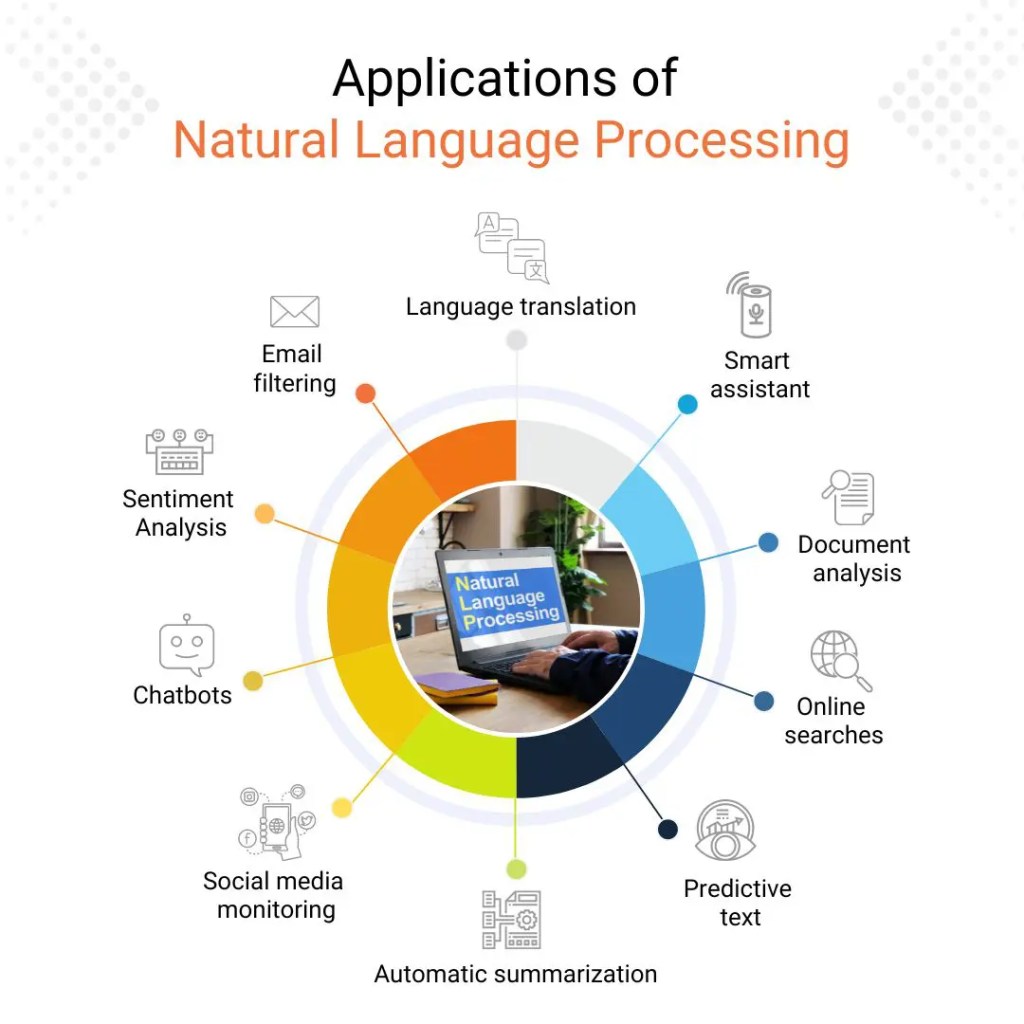
Any discussion of Apple AI technology would be incomplete without mentioning their advancements in Natural Language Processing (NLP). Apple has made significant strides in understanding and generating human language, making interactions with your Apple devices more conversational and natural. Through NLP, Apple can analyze and interpret text, speech, and even emotions, enabling features like intelligent virtual assistants and language translation services. This means that your interactions with Apple products can be more intuitive and efficient, as they understand not just the words you say, but also the context and meaning behind them.
Algorithms:
Apple’s AI algorithms are constantly evolving and adapting to new challenges, thanks to ongoing research and development efforts. By staying at the forefront of machine learning innovations, Apple ensures that its AI technology continues to push boundaries and deliver cutting-edge solutions that enhance your daily interactions with their products. Whether it’s improving Siri’s ability to understand complex commands or enhancing the accuracy of facial recognition technology, Apple’s commitment to refining their algorithms sets them apart in the competitive AI landscape.
Integration with Apple Ecosystem
Seamless Experience Across Devices
Unlike other AI technologies, Apple’s AI seamlessly integrates across all your devices, offering a unified experience that is unparalleled in the industry. Whether you’re using your iPhone, iPad, Mac, or Apple Watch, Apple AI technology ensures that your data and preferences are seamlessly synced across all platforms.
Integration with the Apple ecosystem allows you to start a task on one device and seamlessly pick it up on another without missing a beat. This level of continuity and fluidity enhances your overall user experience and makes interacting with technology effortless and intuitive.
AI-Driven Features in iOS and macOS
One of the standout features of Apple AI technology is its presence within iOS and macOS, the operating systems that power your iPhone, iPad, and Mac devices. These AI-driven features work behind the scenes to enhance your device’s performance, improve battery life, and personalize your user experience.
With Apple’s AI, your device learns your habits, preferences, and routines, offering predictive suggestions and shortcuts that anticipate your needs. This level of intelligent customization sets Apple’s AI apart from its competitors and adds a layer of sophistication to your daily interactions with technology.
Applications of Apple AI Technology
Many tech experts and enthusiasts believe that Apple AI technology is truly groundbreaking and accessible to the average user. According to Apple Intelligence is AI for the rest of us, Apple has integrated AI into various applications that have revolutionized the user experience. One area where Apple excels is in image and speech recognition.
Image and Speech Recognition
One of the remarkable features of Apple AI technology is its advanced image and speech recognition capabilities. Through the use of neural networks and machine learning algorithms, Apple devices can accurately identify people, objects, and even emotions in photos. Moreover, with Siri, Apple’s virtual assistant, you can interact with your device using natural language, making tasks like setting reminders, sending messages, and navigating easier than ever before.
Predictive Maintenance and Quality Control
One of the key applications of Apple AI technology is in predictive maintenance and quality control. By analyzing vast amounts of data collected from sensors and devices, Apple can predict when a device may require maintenance or identify potential quality issues before they escalate. This proactive approach not only improves the performance and longevity of Apple products but also enhances customer satisfaction by ensuring a seamless user experience.
Applications: Predictive maintenance and quality control play a crucial role in ensuring that Apple devices operate efficiently and reliably. By leveraging AI to anticipate and address potential issues, Apple can uphold its reputation for delivering high-quality and innovative products to users around the globe.
The Role of AI in Apple’s Future
Now, let’s examine into how Apple envisions the role of AI shaping its future endeavors. One key area where AI technology is set to make a significant impact is in enhancing the overall user experience across Apple’s ecosystem of products and services.
Enhanced User Experience
On the frontlines, you can expect AI to play a pivotal role in personalizing your interactions with Apple devices and services. From intelligent voice assistants like Siri, which continue to evolve in understanding and catering to your needs, to machine learning algorithms that power features like predictive text and smart suggestions, AI is poised to make your Apple experience more intuitive and seamless than ever before.
New Business Opportunities and Revenue Streams
Business-wise, Apple is actively exploring how AI can open up new avenues for growth and revenue generation. By leveraging AI technologies to analyze vast amounts of data, Apple can gain unique insights into user behavior, preferences, and trends. This, in turn, can lead to the development of innovative products and services tailored to meet your evolving needs and preferences.
Business-wise, you should know that Apple’s strategic investments in AI also position the company to explore new opportunities in areas such as healthcare, autonomous vehicles, and augmented reality. By harnessing the power of AI, Apple is not only enhancing its existing offerings but also paving the way for a future where intelligent technologies drive new revenue streams and business models.
User
Conclusion
As a reminder, what sets Apple AI technology apart from the rest is its focus on privacy and user control. Apple values your privacy and ensures that your data is secure and protected. With features like on-device processing and differential privacy, Apple allows you to enjoy the benefits of AI without compromising your personal information. This commitment to privacy is what distinguishes Apple from other technology giants and makes their AI technology a trusted choice for many users.
To conclude, when you choose Apple AI technology, you are not just getting cutting-edge features and capabilities, but you are also choosing a company that puts your privacy and security first. With Apple, you can harness the power of AI while having peace of mind knowing that your data is in safe hands. So, if you value your privacy and want to explore the world of AI technology, Apple is the clear choice for you.
FAQ
Q: What sets Apple AI technology apart from the rest?
A: Apple AI technology stands out due to its strong emphasis on user privacy and data security.
Q: How does Apple ensure user privacy with its AI technology?
A: Apple uses on-device processing for AI tasks whenever possible, minimizing the need to send data to the cloud.
Q: What role does machine learning play in Apple AI technology?
A: Machine learning is a key component of Apple AI technology, enabling personalized user experiences without compromising privacy.
Q: Does Apple AI technology support voice recognition and natural language processing?
A: Yes, Apple AI technology includes advanced voice recognition and natural language processing capabilities.
Q: How does Apple continue to innovate in the field of AI technology?
A: Apple invests heavily in research and development, constantly improving its AI algorithms and incorporating them into new products and services.
