


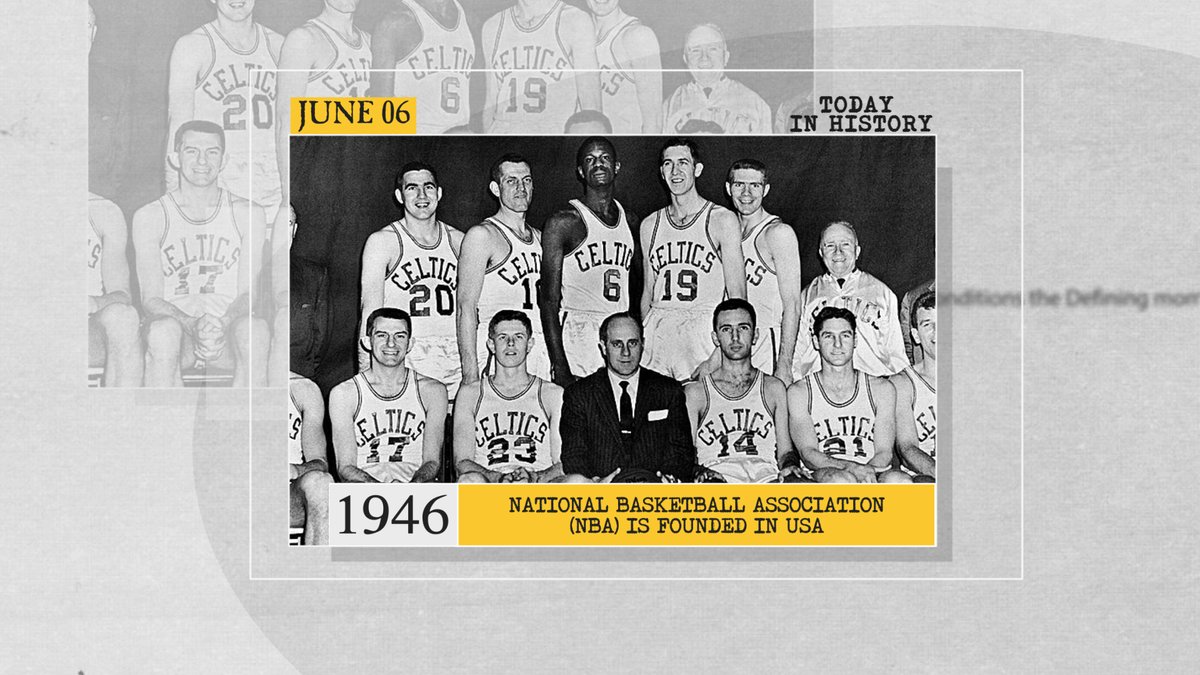
Goals of the NBA Association are a testament to its rich history and enduring legacy. When the NBA founded in 1946, its original aim was to create a professional basketball league that could rival the dominance of college basketball at the time. The National Basketball Association was established to provide a platform for top basketball talent to showcase their skills and entertain audiences with high-level competition. Discover how the NBA’s founding principles have shaped the league we know today.
Key Takeaways:
- Replacement for NBL: The NBA was founded as a replacement for the National Basketball League (NBL) in the 1940s, to provide a more stable and organized league structure.
- Competitive Professional Basketball League: The original goal of the NBA was to establish a competitive professional basketball league that could attract top players and provide entertainment for fans.
- Promote Basketball: Another goal of the NBA was to promote the sport of basketball and expand its popularity, especially in the United States.
- Unity Among Teams: The NBA aimed to create a sense of unity among the different teams and franchises, encouraging collaboration and sportsmanship.
- Long-Term Viability: The founders of the NBA sought to establish a league with long-term viability, setting the stage for professional basketball to thrive and grow in the future.
The Birth of the NBA
While the National Basketball Association (NBA) is now a household name and a global phenomenon, its inception was rooted in the coming together of several professional basketball leagues in the mid-20th century. The NBA was founded on June 6, 1946, in New York City as the Basketball Association of America (BAA). The original goal of the BAA was to create a top professional basketball league that could rival the popularity of Major League Baseball.
The Early Years of Professional Basketball
One of the earliest professional basketball leagues in the United States was the National Basketball League (NBL), founded in 1937. The NBL initially had success but struggled with financial instability and franchise instability. As the popularity of professional basketball grew, the need for a more organized and stable league became apparent.
The Need for a Unified League
For professional basketball to thrive and attract top talent, a unified league was vital. The merger between the BAA and the NBL in 1949 created the NBA as we know it today. This merger not only brought together the best teams and players but also created a more structured and competitive environment for the sport to grow. Understanding the need for stability and a unified front, the NBA set out on a path to become the premier professional basketball league in the world, a goal it has undoubtedly achieved over the years.
The Founding Fathers
Assuming you are interested in the history of the NBA, it is important to look back at its roots and the vision of its founding members. The NBA was established on June 6, 1946, in New York City as the Basketball Association of America (BAA), later merging with its rival, the National Basketball League (NBL), in 1949 to form the NBA we know today. According to The NBA at 75: From a very modest beginning, to …, the league had very humble beginnings but was fueled by the passion and dedication of its founding fathers.
Maurice Podoloff: The First Commissioner

Any discussion about the NBA’s origins would be incomplete without mentioning Maurice Podoloff, the first commissioner of the BAA, who later became the first commissioner of the NBA. Podoloff played a crucial role in shaping the league during its formative years and was instrumental in establishing its structure and policies. His leadership laid the foundation for the NBA’s growth and success in the years to come.
The Role of the Original Owners
Maurice Podoloff was not alone in steering the NBA in its early days. The original owners of the league’s teams also played a vital role in shaping the NBA’s direction and ensuring its longevity. These owners were visionaries who saw the potential of professional basketball and worked together to elevate the sport to new heights.
For instance, the original owners collaborated to establish player contracts and competitive balance measures to maintain the integrity of the game. Their commitment to fair play and transparency helped establish the NBA as a reputable league and laid the groundwork for its future success.
The Original Goals
Establishing a National Presence
National expansion was a key goal for the NBA when it was founded. Despite facing competition from other sports leagues and having a limited number of teams initially, the NBA aimed to grow its reach across the United States. According to The NBA’s Business Model, the league saw the potential for basketball to captivate audiences nationwide and sought to establish itself as a premier professional sports organization.
Creating a Competitive Balance
For the NBA’s founders, creating a competitive balance among teams was crucial to the league’s success. They understood that in order to maintain fan interest and ensure the long-term viability of the league, no single team should dominate year after year. By implementing rules and policies to promote parity among franchises, the NBA aimed to keep the competition fierce and unpredictable.
Establishing a level playing field where every team had a shot at success not only added excitement to the games but also fostered a sense of hope among fans of every franchise. This commitment to competitive balance helped differentiate the NBA from other sports leagues and contributed to its allure as a must-watch entertainment option.
Developing a Strong Fan Base
Balance was not limited to on-court competition. The NBA’s original goals also included developing a strong and loyal fan base. By engaging with local communities, investing in marketing efforts, and providing an entertaining product on the court, the league aimed to capture the hearts of basketball enthusiasts across the country. This fan-centric approach helped the NBA grow its following and solidify its position as a beloved sports institution.
Presence was not just about filling seats in arenas but also about connecting with fans on a deeper level. The NBA understood the importance of cultivating a passionate and dedicated fan base that would support the league through highs and lows. This grassroots approach to building a community of basketball aficionados has been a cornerstone of the NBA’s success and enduring popularity.
Overcoming Adversity
Financial Struggles in the Early Years
Once again, the NBA faced significant financial struggles in its early years. For a new league trying to establish itself against the backdrop of the established baseball and football leagues, generating revenue was a constant challenge. Attendance at games was often low, and many franchises struggled to stay afloat due to the lack of fan interest and sponsorships. This financial instability threatened the very existence of the NBA in its formative years.
Competition from Rival Leagues
From the start, the NBA faced competition from rival leagues such as the American Basketball League (ABL) and the National Basketball League (NBL). These rival leagues not only diluted the talent pool by creating divided loyalties among players but also vied for the same fan base and sponsorships. The intense competition for both players and fans forced the NBA to innovate and differentiate itself to survive in the cutthroat sports market.
Early on, the NBA struggled to secure its position in the sports landscape due to the competition from rival leagues. The constant battles for talent and viewership made it challenging for the NBA to establish itself as the premier basketball league in the United States. However, through strategic marketing efforts and a focus on enhancing the quality of play, the NBA slowly began to distinguish itself from its competitors.
The Impact of World War II
Overcoming the disruptions caused by World War II was another significant challenge for the NBA. The war led to a shortage of players as many athletes enlisted in the military, putting a strain on the league’s talent pool. Additionally, travel restrictions and financial constraints made it difficult for teams to organize games and attract audiences during this tumultuous period.
Competition among sports leagues intensified during World War II, as resources became scarce, and fan priorities shifted. Despite these challenges, the NBA persevered and adapted to the circumstances, showcasing resilience and determination in the face of adversity.
The NBA Takes Shape
The Introduction of the Draft
To shape the future of the NBA, the introduction of the draft in 1947 revolutionized the way teams recruited players. The concept aimed to promote competitive balance by allowing teams to select amateur players in a predetermined order. By implementing the draft, the NBA ensured that the weakest teams had the opportunity to strengthen their roster with top talent, fostering a more level playing field and enhancing the overall quality of the league.
The Creation of the All-Star Game
The creation of the All-Star Game in 1951 was another pivotal moment that shaped the NBA. This annual exhibition game brought together the best players from the Eastern and Western conferences, captivating fans with a showcase of talent and skills. The All-Star Game not only celebrated the sport’s elite athletes but also boosted the league’s popularity, drawing in more viewers and solidifying the NBA’s presence in the sports world.
The All-Star Game quickly became a highlight of the NBA season, where fans could see their favorite players compete against each other in a friendly yet competitive atmosphere, adding an element of excitement and spectacle to the league’s calendar.
The Development of the Playoff System
To further shape the NBA and determine the ultimate champion each season, the development of the playoff system was crucial. This format, introduced in 1949, structured a series of knockout rounds leading to the NBA Finals. The playoff system heightened the intensity and drama of the postseason, creating thrilling matchups and captivating storylines that kept fans on the edge of their seats.
With each round being a do-or-die scenario, teams had to bring their A-game, leading to fierce competition and unforgettable moments that solidified the NBA as a premier basketball league.
The NBA’s Early Successes
Many individuals are Passionate About Basketball | NBA and have contributed to the league’s early successes. Two prominent teams that emerged as powerhouses in the early years of the NBA were the Minneapolis Lakers and the New York Knicks.
The Dominance of the Minneapolis Lakers
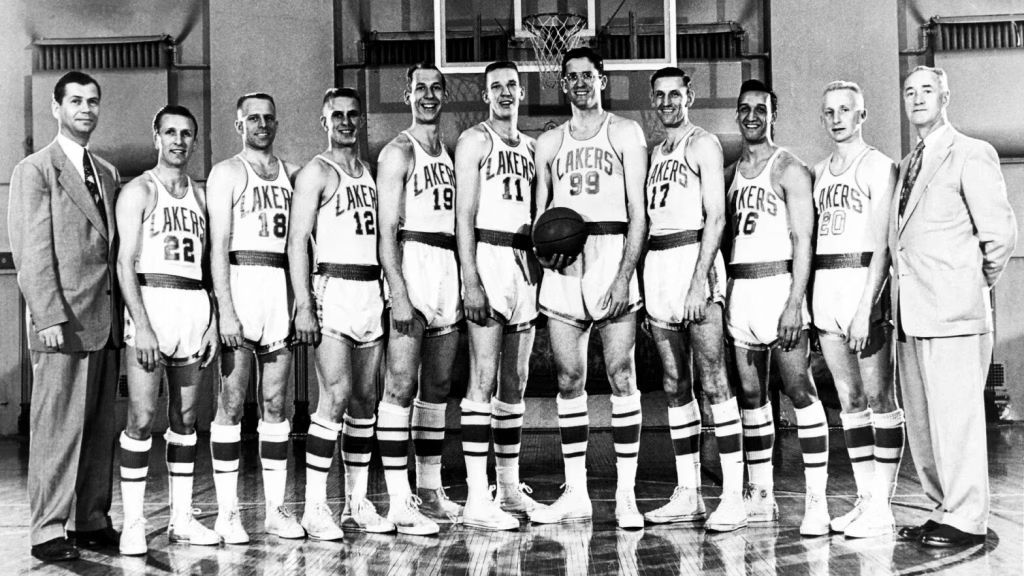
Successes in the NBA’s early years can be attributed to the sheer dominance of teams like the Minneapolis Lakers. Led by the legendary center George Mikan, the Lakers were the first dynasty of the NBA, winning five championships in the league’s first six seasons. Mikan’s scoring ability and shot-blocking prowess made the Lakers a formidable force to reckon with, setting a high standard for excellence in the league.
The Emergence of the New York Knicks
With the emergence of the New York Knicks, the NBA established a strong presence in one of the largest sports markets in the world. The Knicks quickly became a fan favorite, attracting large crowds to their games at Madison Square Garden. For instance, during the 1950s and 1960s, the Knicks were known for their hard-nosed style of play and gritty defense, embodying the spirit of New York City.
The Rise of the Boston Celtics
Rise of the Boston Celtics was another significant factor in the NBA’s early successes. The Celtics, under the leadership of legendary coach Red Auerbach and star player Bill Russell, became the most dominant team in the late 1950s and 1960s. Their fast-paced, team-oriented style of play revolutionized the game and led to unparalleled success in the form of eleven championships in thirteen seasons.
Summing up
From above, you can see that the NBA was founded in order to consolidate and stabilize professional basketball in North America, which was previously fragmented among different leagues. The original goals of the NBA were to create a unified league, establish standards for player contracts and team operations, and promote the growth of basketball as a popular and profitable sport.
Over the years, the NBA has successfully achieved these goals and expanded its reach to become a global phenomenon. By staying true to its founding principles while also evolving with the times, the NBA continues to thrive as one of the most popular and influential sports leagues in the world.
FAQ
Q: Why was the NBA founded?
A: The NBA was founded in order to create a professional basketball league in the United States that could showcase the top talent in the sport and provide entertainment for fans.
Q: What were the original goals of the NBA?
A: The original goals of the NBA were to promote and grow the sport of basketball, provide opportunities for players to compete at a high level, and create a profitable business model for team owners.
Q: How has the NBA evolved since its founding?
A: Since its founding, the NBA has grown into a global sports powerhouse, with teams and players from around the world participating in the league. The NBA has also become a leader in social justice initiatives and community outreach programs.
Q: What impact has the NBA had on the sports world?
A: The NBA has had a significant impact on the sports world, popularizing basketball both in the United States and internationally. The league has also set trends in marketing, player endorsements, and entertainment that have influenced other sports leagues.
Q: How does the NBA continue to strive towards its original goals?
A: The NBA continues to strive towards its original goals by prioritizing player development, global expansion, and innovation in areas such as technology and analytics. The league also remains committed to promoting diversity and inclusion both on and off the court.
