


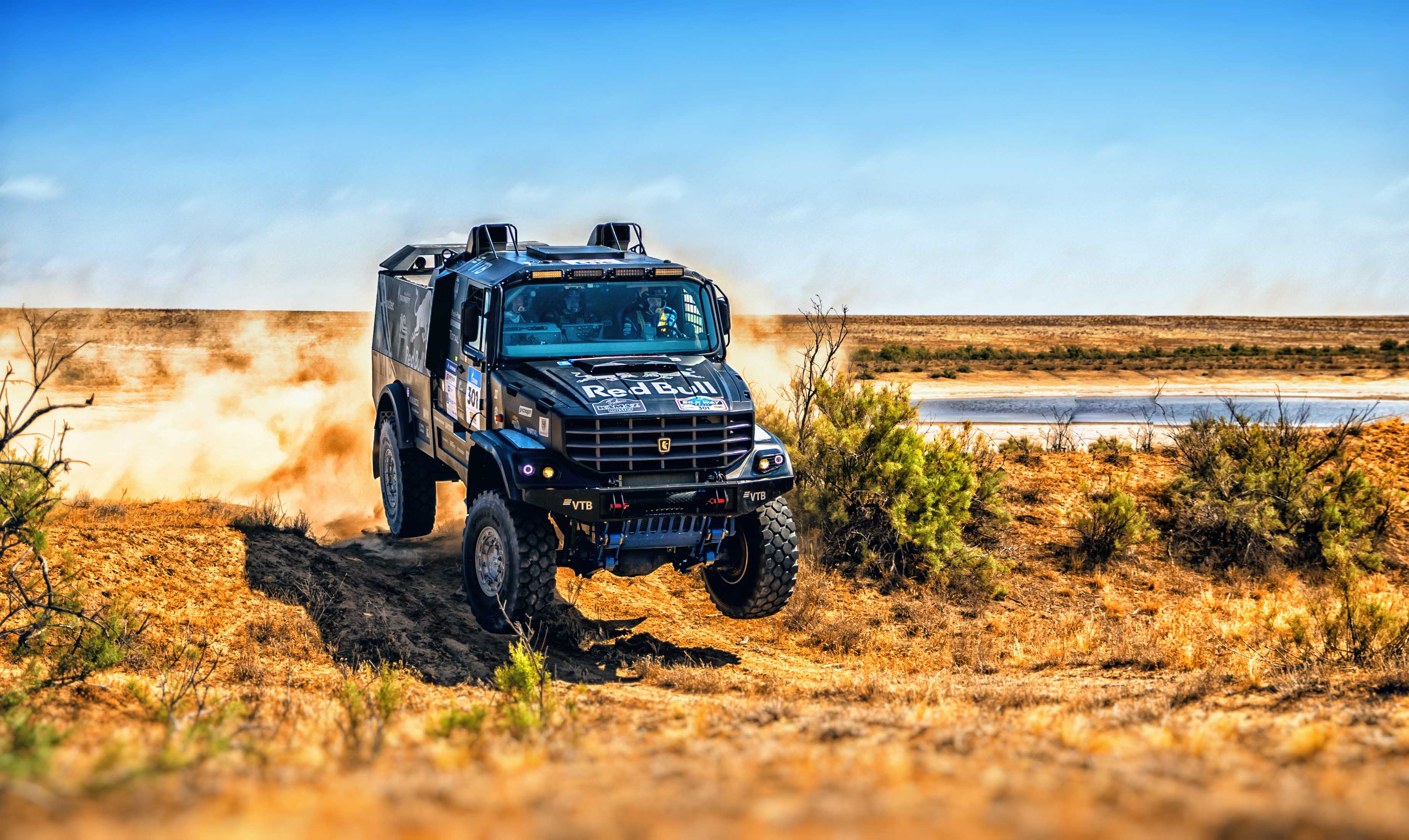
The Dakar Rally, the toughest motor sport in the world, takes place on its route over the Desert of Saudi Arabia, after 40 years of adventure between the African Deserts and the rocks of South America. Rather than being a rally, the organization that tests its competitors on off-road tracks, desert sands, muds and in every way imaginable is actually a endurance competition.
In the Dakar Rally, where more than 500 competitors participate on average every year; nearly 300 vehicles in motorcycle, truck and car classes compete fiercely on the desert sands and try to complete the track of nearly 5000 kilometers! The race, which started in Europe during these periods of the organization, which was formerly known as the Paris Dakar Rally, continued by crossing to Africa via the Portugal or Spain route.
Although most of the race has taken place in the African and South American Continents throughout the history of the Dakar Rally, there are sometimes minor changes such as taking place in the deserts of Saudi Arabia in recent years and this adds even more excitement to the organization because we know very well that it is at the top of the world’s hardest car races and will continue to push the stamina limits of its racers!
8 Facts That Make The Dakar Rally The Hardest Race In The World
1. Very Difficult Road Conditions
Testing its contestants on off-road tracks, desert sands, muds, and in every hard way imaginable, the Dakar Rally is more than just a race; it’s an endurance competition. The challenging terrains force participants to navigate through unpredictable landscapes, pushing both their vehicles and themselves to the limits.
2. A Very Long Race Track
The tracks of the Dakar Rally span almost 5000 kilometers, presenting a formidable challenge to competitors. The vast distance, combined with diverse and challenging terrains, makes navigation a crucial aspect, and at times, the route can be easily missed, adding an extra layer of complexity to the race.
3. Dakar Rally Takes Almost 15 Days!
The endurance aspect of the Dakar Rally is further emphasized by its duration. Lasting almost 15 days, this grueling race demands not only physical stamina but also mental resilience from the participants. Navigating through challenging conditions for an extended period makes it one of the most demanding events in the world of motorsports.
4. Pretty Hot Out there
The Dakar Rally predominantly unfolds over desert sands, subjecting participants to scorching temperatures. As the vehicles traverse through the arid landscapes, the intense heat becomes a formidable opponent, testing the endurance and heat resistance of both the racers and their machines.
5. No Spare Tires, No Pit Stop!
In the motorcycle class, competitors are not provided with spare tires. This lack of a safety net means that racers must contend with potential tire damage on their own, resorting to improvised repairs, even using tapes. This self-reliance adds an extra layer of complexity to the race, requiring participants to be resourceful in the face of adversity.
6. 75 Competitors Lost Their Lives in Dakar Rally Since 1979
The Dakar Rally lost its 75th racer with the French motorcycle pilot who died in 2021, is a life-threatening motor sport and the pilots are competing with this awareness. The Dakar Rally carries a somber reality with a significant number of lives lost since its inception. The inherent risks associated with the sport make it a life-threatening endeavor, and participants are acutely aware of the dangers as they compete, underscoring the extreme nature of this motorsport.
7. Lots of Crashes and Falls!
Harsh conditions often lead to crashes and falls during the Dakar Rally. When racers fall from their vehicles due to challenging terrains, they are obligated to continue, repeatedly mounting their vehicles. This not only physically exhausts the participants but also adds a mental toll. In cases of serious injuries, medical intervention becomes necessary, highlighting the inherent dangers of the race.
8. Speed Is Not Always The Right Option!
While speed is crucial in a race, the Dakar Rally demands a nuanced approach. Skidding is common in loose sandy areas, making acceleration challenging. In certain situations, climbing hills or traversing mud becomes difficult. Knowing when to accelerate and when to slow down is essential for overcoming these challenges, emphasizing the importance of strategic decision-making in this demanding and unpredictable race.
