


Over centuries, nature has woven a tapestry of wonder and wilderness in this legendary park, welcoming explorers like yourself to uncover its ancient beauty. Embark on a journey to unravel the mysteries of the world’s oldest national park, where geysers dance, wildlife roams freely, and nature whispers its timeless secrets to you. Let’s probe into the heart of this majestic treasure and discover the enchanting allure that has captivated adventurers for generations.
Key Takeaways:
- Yellowstone National Park: Located in the United States, it is the world’s oldest national park.
- Established in 1872: Yellowstone National Park was established by the U.S. Congress on March 1, 1872.
- Unique Geothermal Features: The park is known for its geysers, hot springs, and other geothermal features.
- Biodiversity: Yellowstone is home to a diverse range of wildlife, including bison, wolves, grizzly bears, and elk.
- Tourist Attraction: Yellowstone National Park attracts millions of visitors each year who come to experience its natural beauty and wildlife.
A Brief History of National Parks
The Concept of National Parks
Briefly, the concept of national parks originated in the early 19th century as a response to the increasing industrialization and urbanization that threatened the natural landscapes and wildlife. The idea was to set aside certain areas of land to preserve their beauty, provide recreational opportunities, and protect the habitat for various species of plants and animals.
The First National Park
History tells us that the world’s first national park, Yellowstone National Park, was established in 1872 in the United States. Yellowstone is renowned for its geothermal features, including the famous Old Faithful geyser, as well as its diverse wildlife such as grizzly bears, wolves, and elk.
National parks have since become an crucial part of conservation efforts around the globe, serving as havens for biodiversity, outdoor recreation, and scientific research. Visiting these protected areas allows you to connect with nature, appreciate its wonders, and support ongoing preservation initiatives.
Yellowstone: The World’s Oldest National Park
While exploring the world’s oldest national park, Yellowstone, you will be mesmerized by its stunning beauty and unique natural features. Located primarily in the U.S. state of Wyoming, with parts extending into Montana and Idaho, Yellowstone National Park is a vast wilderness area covering nearly 3,500 square miles. The park is famous for its geothermal features, including the iconic Old Faithful geyser, as well as its diverse wildlife and breathtaking landscapes.
Location and Geography
One of the most remarkable aspects of Yellowstone National Park is its varied geography, which includes mountains, rivers, lakes, and canyons. The park sits on top of a massive volcanic hotspot, resulting in the geothermal features that Yellowstone is renowned for. As you explore the park, you will encounter geysers, hot springs, mud pots, and fumaroles, all evidence of the geothermal activity happening beneath the surface.
Unique Features and Landmarks
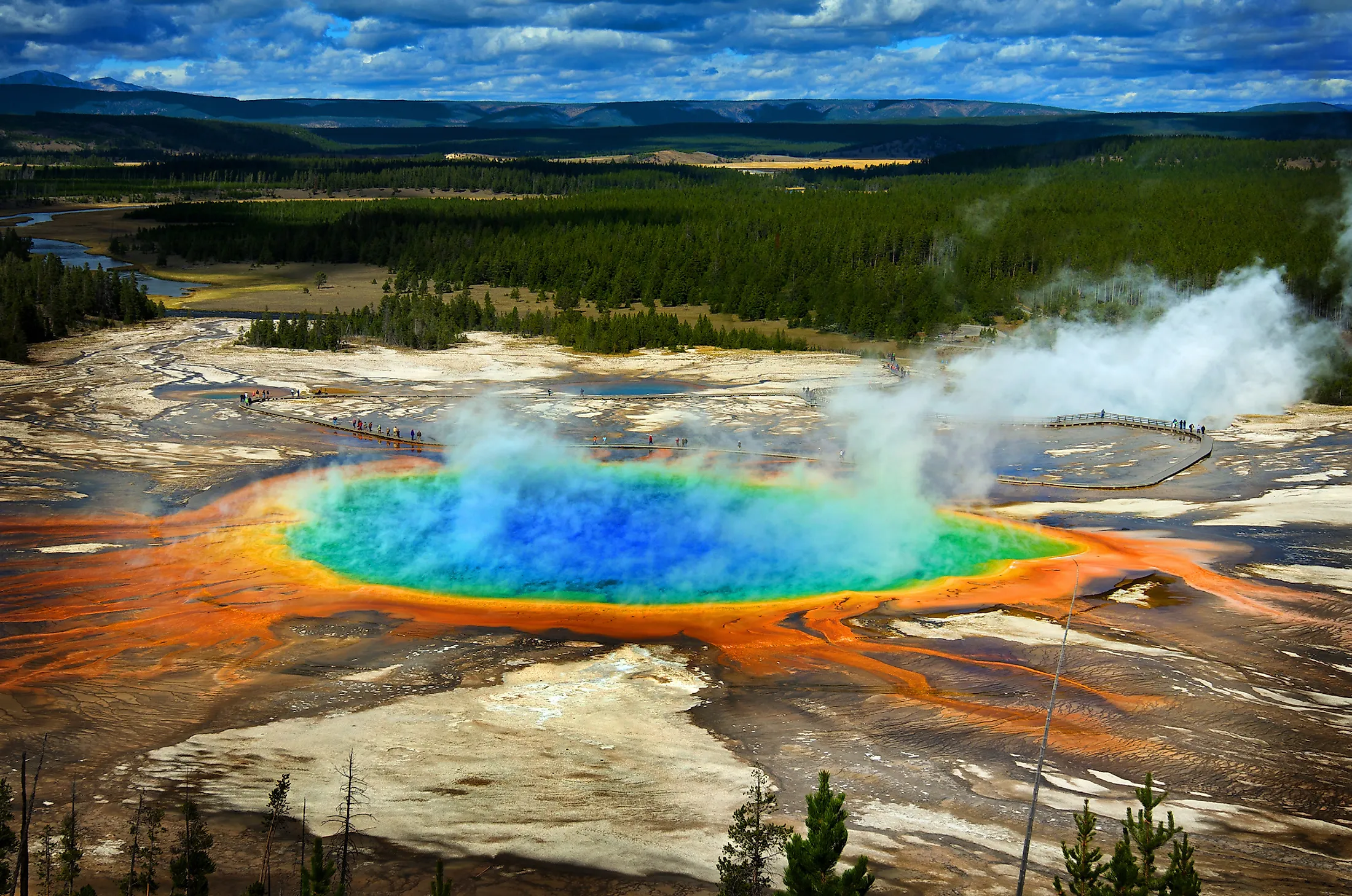
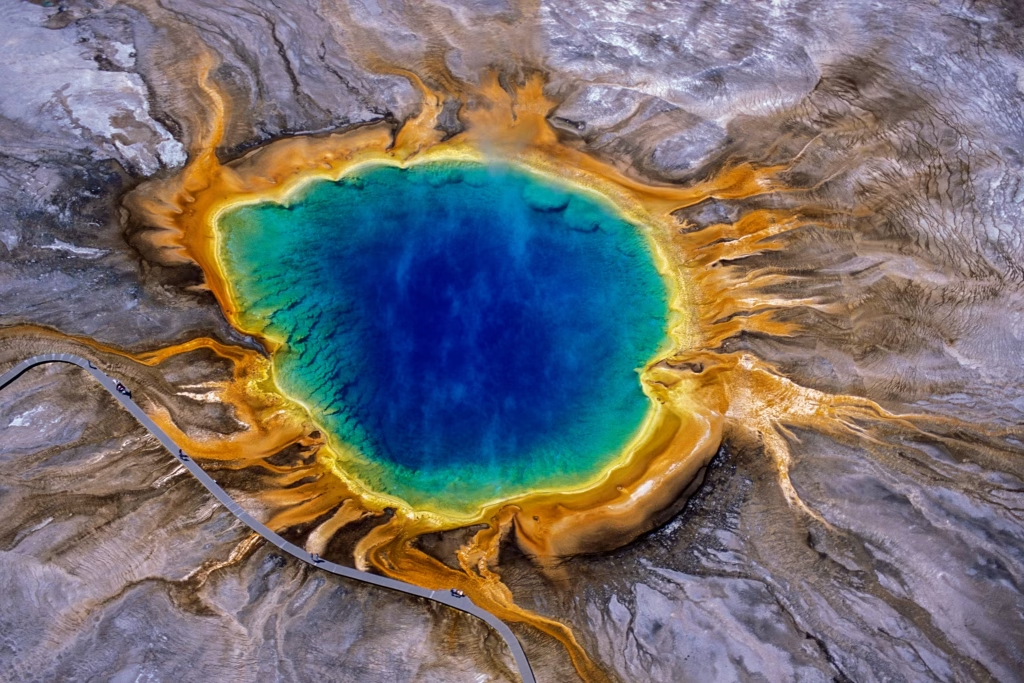
Unique to Yellowstone is its collection of geothermal features, such as the Grand Prismatic Spring, the largest hot spring in the United States, known for its vibrant rainbow colors. Other notable landmarks include the Yellowstone Caldera, one of the largest volcanic systems in the world, and the Grand Canyon of the Yellowstone, a breathtaking canyon carved by the Yellowstone River. As you wander through the park, you’ll also come across an abundance of wildlife, including bison, elk, bears, and wolves, making it a haven for nature enthusiasts and wildlife photographers.
Nationally recognized as a UNESCO World Heritage Site, Yellowstone National Park is not only the oldest national park in the world but also a treasure trove of natural wonders waiting to be explored. From its unique geothermal features to its diverse wildlife and stunning landscapes, Yellowstone offers an unforgettable outdoor experience that will leave you in awe of the beauty and power of nature.
The Birth of Yellowstone
To find out more about the origins of Yellowstone National Park and its significance as one of the oldest national parks in the United States, check out These Are The 10 Oldest National Parks In The United States.
Early Exploration and Settlement
The story of Yellowstone National Park begins long before its official establishment. The region was home to Native American tribes for thousands of years before the arrival of European settlers. In the early 19th century, trappers, explorers, and prospectors started venturing into the area, attracted by its natural beauty and abundant resources.
The Fight for Preservation
Exploration and exploitation threatened the pristine wilderness of Yellowstone in the late 19th century. Poaching, logging, and the development of infrastructure posed serious risks to the natural wonders of the region. However, a group of early conservationists recognized the need to protect this unique landscape for future generations.
For instance, the renowned artist Thomas Moran’s stunning paintings of Yellowstone captured the public’s imagination and played a crucial role in showcasing the park’s beauty. Influential figures like Ferdinand Hayden, who led the first federally funded expedition to Yellowstone in 1871, helped raise awareness about the need to preserve the area. Their efforts eventually led to the establishment of Yellowstone National Park in 1872, making it the world’s first national park.
What Makes Yellowstone So Special
Keep reading to find out what makes Yellowstone National Park such a unique and remarkable place to visit.
Geothermal Wonders
Any visit to Yellowstone wouldn’t be complete without experiencing its awe-inspiring geothermal wonders. The park is home to half of the world’s geothermal features, including geysers, hot springs, and mud pots. The most famous geyser in the park is Old Faithful, known for its predictable eruptions that occur approximately every 90 minutes. Witnessing these natural phenomena up close is a truly unforgettable experience that highlights the park’s geological significance.
Diverse Wildlife and Ecosystems
What sets Yellowstone apart from other national parks is its incredible diversity of wildlife and ecosystems. From grizzly bears and wolves to bison and elk, the park provides a habitat for a wide range of iconic North American species. In addition to its impressive array of wildlife, Yellowstone is home to various ecosystems, including alpine meadows, forests, and subalpine lakes. Exploring these different landscapes allows you to appreciate the park’s ecological richness and the importance of conservation efforts to protect them.
Diverse ecosystems support a variety of plant and animal life, making Yellowstone a haven for biodiversity enthusiasts. Whether you’re a bird watcher looking for elusive species or a botany enthusiast interested in unique plant adaptations, Yellowstone offers endless opportunities to immerse yourself in the wonders of nature.
Rich Cultural Heritage
Yellowstone’s rich cultural heritage adds another layer of depth to your visit. The park has a long history of human presence, dating back over 11,000 years. Native American tribes have cultural connections to the land, and early explorers and pioneers played significant roles in shaping the park’s identity. Visiting historical sites such as Fort Yellowstone and the Old Faithful Inn allows you to step back in time and learn more about the people who have called this place home.
Cultural preservation efforts in Yellowstone ensure that the stories and traditions of the past are safeguarded for future generations. By exploring the park’s cultural heritage, you gain a deeper understanding of the interconnectedness between people and nature, highlighting the importance of respecting and honoring diverse cultural perspectives.
Exploring Yellowstone Today
Many visitors are drawn to Yellowstone National Park to explore its unique geological features, diverse wildlife, and stunning landscapes. The park offers a plethora of popular attractions and activities for you to enjoy during your visit.
Popular Attractions and Activities
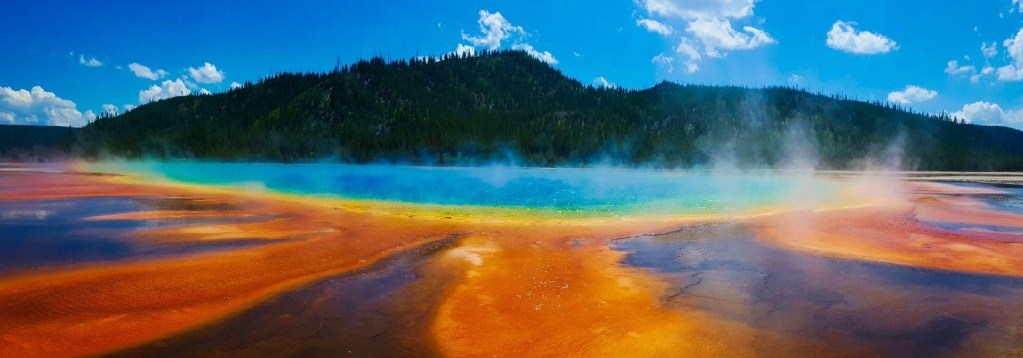
One of the most famous attractions in Yellowstone is the Old Faithful geyser, known for its predictable eruptions shooting water high into the sky. You can also marvel at the colorful Grand Prismatic Spring, hike along the picturesque Yellowstone River, or spot wildlife such as bison, elk, and grizzly bears. For more adventurous visitors, activities like hiking, camping, fishing, and even backcountry skiing in the winter months are available.
Safety Tips and Precautions
Today, it’s imperative to prioritize safety during your Yellowstone exploration. Always stay on designated paths and boardwalks to avoid accidental encounters with wildlife or damaging delicate thermal features. Be sure to carry bear spray, stay at a safe distance from animals, and properly store food to prevent attracting wildlife to your campsite.
- Stay on designated paths and trails.
- Keep a safe distance from wildlife.
- Properly store food to prevent attracting animals.
After a fulfilling day of exploration, you can relax at one of the park’s lodges or campgrounds, taking in the natural beauty that has captivated visitors for generations.
Yellowstone National Park continues to be a haven for nature lovers and outdoor enthusiasts, offering a glimpse into the wild beauty of the American West. As you traverse the park, be sure to keep these safety tips in mind for a memorable and secure visit.
- Respect wildlife and their habitats.
- Always follow park regulations and guidelines.
Conservation Efforts and Challenges
Threats to the Park’s Integrity
Now, let’s talk about the threats that the world’s oldest national park faces. As one of the most biodiverse habitats on the planet, this park is constantly under pressure from factors like climate change, habitat destruction, and increasing human activities. Climate change is altering the park’s ecosystems, affecting the delicate balance of its flora and fauna. Habitat destruction caused by deforestation and urbanization is encroaching on the park’s borders, leading to fragmentation of wildlife populations and loss of crucial habitats. Moreover, the rise in human activities such as poaching and pollution poses a significant threat to the park’s integrity and biodiversity.
Ongoing Conservation Initiatives
Conservation efforts are crucial to protect the world’s oldest national park for future generations. Various organizations, governments, and local communities have been working tirelessly to safeguard the park’s ecosystems and wildlife. Conservation initiatives include habitat restoration projects, wildlife monitoring programs, anti-poaching patrols, and public awareness campaigns to educate visitors about responsible tourism practices. By promoting sustainable tourism and engaging with local communities, these initiatives aim to mitigate the threats facing the park and ensure its long-term survival.
Plus, scientific research plays a vital role in understanding the park’s ecosystems and implementing effective conservation strategies. Researchers study the park’s biodiversity, monitor key species, and assess the impacts of human activities to inform conservation decision-making. By using cutting-edge technologies and collaborating with experts from around the world, ongoing conservation initiatives strive to address the challenges and complexities of protecting the world’s oldest national park.
Summing up
The world’s oldest national park can be found in the United States – it’s Yellowstone National Park! Established in 1872, this incredible park is home to stunning natural wonders, diverse wildlife, and a rich history waiting to be explored. So, why not pack your bags, grab your camera, and head on a journey to discover the wonders of this iconic park for yourself?
FAQ
Q: What is the world’s oldest national park?
A: The world’s oldest national park is Yellowstone National Park, located in the United States.
Q: When was Yellowstone National Park established?
A: Yellowstone National Park was established on March 1, 1872, making it the first national park in the world.
Q: Where is Yellowstone National Park located?
A: Yellowstone National Park is located primarily in the U.S. states of Wyoming, with small sections in Montana and Idaho.
Q: What makes Yellowstone National Park unique?
A: Yellowstone National Park is known for its geothermal features, including geysers, hot springs, and mud pots, as well as its diverse wildlife and stunning natural landscapes.
Q: Can visitors explore Yellowstone National Park year-round?
A: While Yellowstone National Park is open year-round, most visitors prefer to visit during the summer months when the weather is milder and more facilities are open. Winter visits are also popular for unique activities like snowmobiling and cross-country skiing.
