


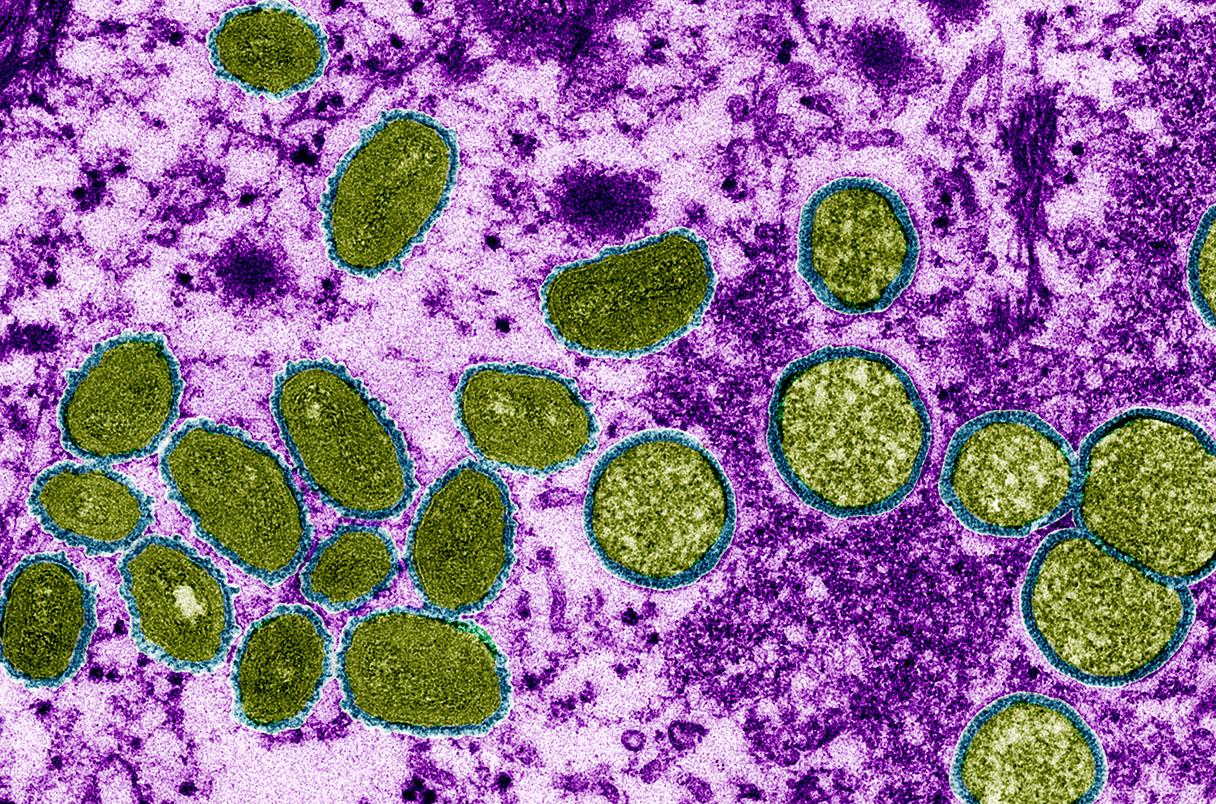
You may be wondering how prepared we are for a potential monkeypox epidemic. Recent outbreaks have raised alarm bells, making it necessary for you to understand the signs, symptoms, and preventive measures associated with this viral disease. As public health systems evolve, it’s crucial that you stay informed about the current strategies and vaccines available to combat the spread. In this blog post, we will examine into the state of our readiness and what you need to know to protect yourself and your community.
Key Takeaways:
- Vaccine Readiness: Current stockpiles of smallpox vaccines may offer some cross-protection against monkeypox, but distribution plans need urgent enhancement.
- Public Awareness: Education campaigns are crucial to inform the public about monkeypox symptoms, transmission, and preventive measures to mitigate the risk.
- Health Infrastructure: Strengthening healthcare systems and ensuring adequate testing capacity is vital for rapid identification and containment of potential outbreaks.
- Global Cooperation: International collaboration is vital to monitor spread, share resources, and respond effectively to any emerging cases of monkeypox.
- Surveillance Systems: Enhanced surveillance measures must be implemented to detect outbreaks early and track potential transmission routes within communities.
Understanding Monkeypox
What is Monkeypox?
The monkeypox virus is a rare viral zoonosis that shares similarities with smallpox, though it is generally less severe. This virus was first identified in laboratory monkeys in 1958, hence the name, but it is primarily found in rodents. You may find yourself exposed to monkeypox if you come into contact with infected animals or through person-to-person transmission, which can occur via respiratory droplets or contact with bodily fluids.
Understanding the nature of monkeypox is crucial for recognizing the signs and preventing its spread. The symptoms typically begin with fever and headache, followed by the development of a distinct rash. Knowing these signs can empower you to seek medical attention promptly and minimize the risk of transmission.
History of Monkeypox Outbreaks
What has been notable about monkeypox outbreaks is their sporadic nature, primarily confined to specific regions in Central and West Africa. The first recorded human case occurred in the Democratic Republic of the Congo in 1970, with subsequent outbreaks largely linked to contact with wild animals. Since then, cases have emerged occasionally, sparking concern among health authorities.
Plus, recent years have witnessed a global resurgence of monkeypox, creating an atmosphere of heightened vigilance. These outbreaks have raised questions about the adequacy of current public health measures and the potential for the virus to spread beyond its traditional boundaries, which you should take into account when considering the preparedness for a potential epidemic.
Transmission and Symptoms
Symptoms of monkeypox generally manifest between 5 to 21 days post-exposure and include fever, headaches, muscle aches, and swollen lymph nodes, followed by a painful rash that evolves into lesions. Understanding these symptoms can help you identify potential infections and take immediate action to seek medical care.
History shows that the virus can be transmitted through close contact with infected individuals, contaminated materials, or even handling infected animals. Therefore, being vigilant about hygiene and avoiding close contact with individuals who develop symptoms can greatly reduce your risk of contracting monkeypox.
Comparison with Smallpox
Comparison of Monkeypox and Smallpox
| Aspect | Monkeypox |
| Severity | Less severe than smallpox, but can still be dangerous |
| Mortality Rate | Approximately 1-10% in some populations |
| Transmission | Occurs through direct contact and respiratory droplets |
| Vaccine Availability | No specific vaccine, but vaccination against smallpox is somewhat effective |
For instance, while smallpox was highly contagious and had a mortality rate exceeding 30%, monkeypox is characterized by a significantly lower virulence. However, this does not lessen the importance of being aware of monkeypox, as its re-emergence poses risks, particularly in populations with low immunity.
Current Status of Monkeypox
Some experts are raising alarms about monkeypox in light of recent developments. Will Mpox Outbreak Cause A COVID-Like Lockdown … has been a frequent topic of discussion, as several regions grapple with increasing cases. The World Health Organization (WHO) and various health authorities are keeping a close watch on the situation to assess whether we are adequately prepared to manage another potential epidemic. You may wonder what the current status is regarding surveillance and reporting, recent outbreaks, key affected regions, and demographic impacts, all of which shed light on how monkeypox is evolving in our global landscape.
Global Surveillance and Reporting
An crucial aspect of managing any infectious disease is vigilant surveillance and accurate reporting. Health organizations are updating their reporting mechanisms to ensure that outbreaks of monkeypox are documented in real-time. If you are concerned about the virus, staying informed about ongoing surveillance efforts can be crucial. Improved reporting not only allows healthcare providers to act quickly but also aids in informing the public and policymakers about the potential risks associated with monkeypox.
As you follow these developments, take note that global cooperation is vital for effective disease control. Countries are sharing data more transparently, which provides a clearer picture of the infection’s spread. The collaboration between nations to enhance surveillance systems aims to limit the future impact of monkeypox, and your awareness of these initiatives can help keep the conversation alive.
Recent Outbreak Trends
Monkeypox has recently seen an uptick in cases, primarily affecting areas that were not previous hotspots. You might notice that this shift necessitates fresh assessment methods regarding containment and response strategies. The patterns indicate that outbreaks may not be confined to specific geographic locations, which could complicate public health responses.
Understanding outbreak trends is critical in determining how severe the situation can become. Reports suggest that while outbreaks were once primarily localized, they are now trending towards a more widespread issue, which may require an urgent review of your community’s preparedness plans.
Reporting these trends effectively allows health organizations to craft targeted health initiatives that focus on containment, vaccine distribution, and public education. Staying informed about these developments reinforces the importance of community awareness and engagement with local health officials.
Key Affected Regions
Trends indicate that certain regions are more vulnerable than others to monkeypox outbreaks. You may notice that urban areas with higher population density are experiencing significant challenges in managing the spread of the virus. Therefore, understanding these key affected regions is crucial for effective personal and community response. Health authorities are actively monitoring instances in North America, Europe, and parts of Africa, where cases have significantly increased.
As these trends evolve, it’s vital to stay attuned to the specific regions experiencing surges. Monitoring developments in these areas can help you take the necessary precautions to reduce your risk of exposure and engage with public health initiatives aimed at controlling the spread of the virus.
Demographic Impact
Affected populations are now displaying varied susceptibility to monkeypox, with recent data suggesting that individuals in certain age and demographic groups face higher risks. If you’re observing these patterns, realize that understanding the demographic impact can be crucial for effective disease management. Monitoring how the virus affects different communities will help inform targeted medical responses and public health messaging.
Further breakdowns of the demographic impact reveal significant disparities in access to health resources and education, particularly in vulnerable populations. Your awareness of these challenges can empower you to advocate for equitable health measures and support initiatives that target high-risk groups.
Impact on community well-being is profound, as the repercussions of monkeypox extend beyond mere infection rates. Heightened anxiety, economic strain, and disruptions to daily life are all consequences that affect people differently. Therefore, understanding the multifaceted impacts can guide you toward appropriate support for those in need and help you manage your own exposure to stressors during this uncertain time.
Preparedness Assessment
Despite ongoing global health challenges, the potential for a monkeypox epidemic has prompted an urgent need to assess our preparedness. As the world grapples with various infectious diseases, the effectiveness of intervention strategies plays a crucial role in mitigating outbreaks. Understanding our current capabilities in terms of vaccination strategies, treatment options, public health infrastructure, and community engagement is vital to ensure you are informed and ready for any emerging threats.
Vaccination Strategies
Strategies for implementing vaccination programs against monkeypox will significantly influence your community’s ability to respond to an outbreak. Existing vaccines for related orthopoxviruses, notably the smallpox vaccine, have shown efficacy in preventing monkeypox and can be a critical component in safeguarding vulnerable populations. Ensuring you have access to these vaccines, alongside clear guidelines on prioritization, is key to an effective response.
It’s also important that strategies include public awareness campaigns to inform you and others of the vaccination process and its benefits. Addressing vaccine hesitancy and ensuring equitable access across different demographics will enhance community-level protection during an outbreak.
Treatment Options
Strategies for treating monkeypox will further complement your preparedness efforts. Currently, antiviral treatments are available to manage symptoms and reduce severity, but access to these treatments can vary significantly. Ensuring that healthcare providers are trained and equipped to recognize and treat monkeypox cases effectively is critical for a timely response.
For instance, implementing guidelines for healthcare systems can streamline the process of diagnosing and caring for patients. Your knowledge of these treatment options and their availability will empower you to seek immediate care in case of infection and encourage others to do the same.
Public Health Infrastructure
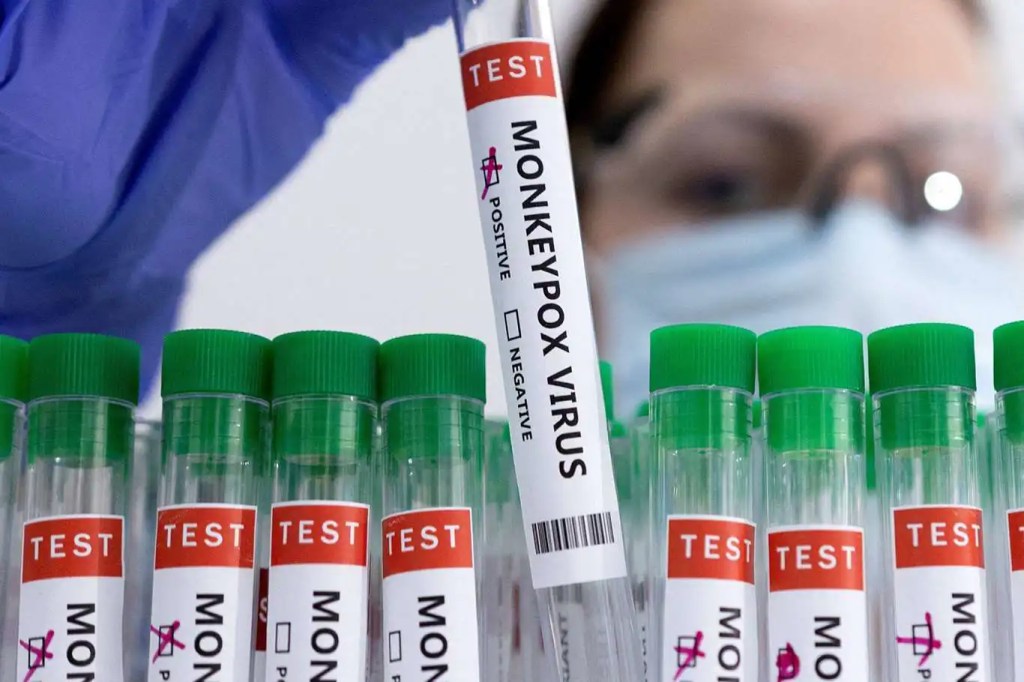
With a robust public health infrastructure, the capabilities to manage and respond to a monkeypox outbreak can be significantly enhanced. Effective surveillance systems are crucial, enabling you to monitor trends, track outbreaks, and deploy necessary interventions promptly. An underlying foundation that includes adequate testing facilities and a well-prepared healthcare workforce can make a decisive difference in any epidemic scenario.
It is imperative that you recognize the ongoing need for investment in public health resources and systems. Supporting initiatives that bolster infrastructure will not only prepare you for monkeypox but also strengthen overall community health resilience.
Community Engagement and Education
Infrastructure for community engagement and education plays a vital role in your preparedness strategy. Developing strong communication channels between health authorities and the public ensures that accurate information regarding monkeypox management and prevention reaches you effectively. Engaging community leaders and stakeholders can enhance outreach efforts, encouraging trust and compliance with public health recommendations.
This proactive approach is vital as it prepares you to advocate for preventative measures while dispelling misinformation. By fostering a culture of health literacy, you enhance collective awareness, forming a front-line defense against the spread of monkeypox and its potential impact.
Government and International Response
Your understanding of the potential implications of a monkeypox epidemic is crucial. Monkeypox has devastated the world; should we prepare … As the virus continues to spread, government and international organizations are faced with the challenge of crafting effective responses to mitigate its effects. This chapter explores the role these entities play in addressing public health emergencies like a potential monkeypox epidemic.
Role of the World Health Organization
Any discussion of a coordinated global response to infectious diseases cannot overlook the pivotal role played by the World Health Organization (WHO). The organization serves as a leader in establishing guidelines, sharing knowledge, and facilitating international cooperation in the fight against diseases such as monkeypox. By developing protocols for surveillance and outbreak response, the WHO enables nations to strengthen their capacities to respond quickly and effectively to emerging health threats.
Additionally, the WHO plays a crucial role in providing updated information and resources to healthcare systems worldwide. This involves the dissemination of vital data, advancing research, and ensuring that countries are equipped to handle outbreaks through training and support. Such initiatives are crucial for creating a unified front against the spread of monkeypox and maintaining public health security.
National Preparedness Plans
To effectively combat a potential monkeypox epidemic, it is imperative for each nation to have a robust national preparedness plan in place. These plans must assess risks, allocate resources, and develop strategies that can be swiftly activated in case of an outbreak. It is critical for governments to invest in public health infrastructure so that healthcare providers are ready to handle increased case loads and can limit transmission within communities.
Preparedness also involves conducting regular drills and exercises that simulate outbreak scenarios, allowing national health systems to identify weaknesses and improve their response strategies. By strengthening these plans, countries can enhance their resilience against monkeypox and protect public health on a broader scale.
International Collaboration Efforts
International collaboration is vital in managing and preventing the spread of monkeypox. Nations must work together to share knowledge, expertise, and resources. This collaborative approach allows for the pooling of financial and human resources, as well as the creation of unified strategies that ensure a more coordinated response. Programs that assist in vaccine development and distribution primarily depend on such collaborations.
It is crucial that governments prioritize partnerships with international organizations and neighboring countries to guard against cross-border transmission. This includes establishing communication channels to report cases, share research findings, and coordinate response strategies effectively.
Travel and Quarantine Regulations
Regulations surrounding travel and quarantine measures are key components of any effective response to an outbreak. As monkeypox can be transmitted during travel, it is crucial for governments to implement stringent regulations that limit movement from affected areas and enforce quarantine protocols for incoming travelers who may have been exposed to the virus. This helps to prevent large-scale outbreaks and protects public health at both local and global levels.
Collaboration among nations in enforcing travel restrictions and sharing health data is crucial to ensure a unified response. Countries that work together to monitor travel patterns and swiftly act on potential risks significantly reduce the chances of widespread transmission.
Potential Challenges
To understand the potential challenges surrounding a monkeypox epidemic, it’s crucial to consider various factors that could hinder effective response and preparedness. These challenges can affect how well health systems, government bodies, and communities react to an outbreak, ultimately influencing the epidemic’s containment and management.
Misinformation and Public Perception
Perception is crucial when assessing public readiness for a monkeypox epidemic. The rise of social media and instant communication platforms can lead to the rapid spread of misinformation, which may cause unnecessary panic or, conversely, complacency among the public. Your understanding of monkeypox, its transmission, and risk factors will play a significant role in how you respond if an outbreak occurs.
This misinformation can create a disconnect between health authorities and the public. As a result, it becomes increasingly vital to leverage credible sources of information to educate yourself and your community about monkeypox. By actively seeking accurate updates and guidelines, you can help combat misinformation and foster a more informed and prepared populace.
Resource Allocation and Funding
For any health crisis, resource allocation and funding are fundamental. You need to recognize that effective epidemic response requires adequate funding for laboratory testing, public health initiatives, and vaccination campaigns. If financial resources are not allocated appropriately, it may compromise your local health system’s ability to manage an outbreak efficiently.
For instance, without sufficient investment in public health infrastructure, health departments may struggle to conduct crucial surveillance and contact tracing, which are critical components of managing infectious diseases. This could lead to an underestimation of the monkeypox outbreak’s severity and a delayed response, ultimately worsening the impact on your community.
Health System Capacity
Allocation of resources is not only about funding; it also involves assessing your health system’s capacity to respond to an outbreak. If the healthcare services in your area are already stretched thin from other public health challenges, they may find it difficult to manage the demands of a monkeypox epidemic. This could lead to increased transmission rates and poor health outcomes.
To strengthen your health system’s resource allocation, investment in training for healthcare workers, procurement of necessary medical supplies, and expansion of facilities will be crucial. A robust health system is your frontline defense against outbreaks, ensuring that adequate care is available when needed.
Socioeconomic Factors

Misinformation can also exacerbate existing socioeconomic disparities that impact how communities respond to a monkeypox epidemic. Factors such as income inequality, access to healthcare, and housing conditions can influence your ability to adhere to public health guidance. Low-income individuals may struggle to isolate if they contract the virus or cannot afford necessary healthcare services, facilitating further spread within vulnerable populations.
- Income inequality
- Access to healthcare
- Housing conditions
Recognizing the interplay of socioeconomic factors will be crucial in creating tailored interventions that reach those most affected and most at risk during an outbreak.
Plus, addressing these socioeconomic challenges means recognizing that health equity must be a priority. You can contribute to this goal by advocating for policies that ensure fair access to healthcare services for everyone, regardless of their economic status or background.
Future Directions
Unlike previous outbreaks of infectious diseases, the emergence of monkeypox has underscored the need for a multifaceted approach to prevent a potential epidemic. You should know that understanding the dynamics of monkeypox transmission and implementing timely interventions is critical. For more insights on this topic, check out Mpox: What you need to know about the latest public health ….
Research and Development Needs
To effectively combat monkeypox, you need to prioritize research and development (R&D) in both vaccine technology and therapeutic interventions. Identifying the gaps in scientific understanding related to monkeypox transmission, virulence, and immunity can provide you with the necessary insights for developing effective solutions. This involves increased funding and collaboration between governmental bodies, pharmaceutical companies, and international health organizations to accelerate research on emerging pathogens.
Furthermore, enhancing diagnostic tools is necessary so that you can detect monkeypox cases rapidly and accurately, thus enabling timely interventions. With the right focus on R&D, we can create robust mechanisms that not only respond to current challenges but also prepare for future outbreaks.
Developing Efficient Response Protocols
One of the most critical aspects of preparing for a monkeypox epidemic is developing efficient response protocols. You must have clear guidelines that outline the roles and responsibilities of healthcare providers, public health officials, and community organizations during an outbreak. These protocols will facilitate coordinated responses, ensuring that you have quick access to resources, information, and care when needed.
In your community, continuous training and simulations can keep everyone sharp and prepared for any scenario involving monkeypox. As various stakeholders practice these protocols, you can build a more resilient and informed community ready to tackle emerging health threats.
With a well-defined response protocol in place, your community can minimize confusion and maximize efficiency, which can significantly reduce the impact of a potential monkeypox outbreak.
Vaccine Distribution Strategies
Distribution of monkeypox vaccines should be strategically planned, especially since you may encounter logistical challenges in reaching at-risk populations. Effective vaccine distribution strategies must consider factors such as geographical accessibility, population densities, and existing healthcare infrastructures. You should be aware that these strategies need to be flexible to adapt to varying local needs.
Furthermore, partnerships with pharmacies, community health centers, and local governments can enhance vaccine accessibility. Ensuring that you have multiple avenues for vaccine distribution allows your community members to get vaccinated at their convenience, promoting higher vaccination rates.
Protocols for storing and administering vaccines must also be established. You may need to ensure that facilities are prepared to handle any adverse reactions and provide follow-up care as needed.
Building Resilient Health Systems
Health systems must build resilience to effectively handle monkeypox outbreaks. You should focus on integrating disease surveillance systems to enhance early detection and response capabilities. A resilient health system will allow for resource reallocation during emergencies while maintaining routine healthcare services.
Moreover, investing in workforce training is necessary, as healthcare professionals should be well-equipped to handle monkeypox cases and educate the public on prevention strategies. You have a role in advocating for these investments to ensure your community’s health is prioritized.
Developing strong data-sharing networks can also empower you to participate in national and global initiatives, sharing best practices and lessons learned from ongoing experiences.
Final Words
With these considerations, you should recognize the importance of being informed and prepared for a potential monkeypox epidemic. The transmission dynamics of monkeypox can differ from other viral outbreaks, and understanding these nuances is crucial for both personal and community health. It is crucial to stay updated on public health guidelines and recommendations, as they can evolve based on the situation on the ground. You may also want to familiarize yourself with the symptoms and transmission routes of monkeypox, so you can take appropriate precautions to protect yourself and others.
Furthermore, as the global health landscape continues to evolve, being proactive about vaccinations and treatments can significantly reduce your risk of infection. Engage in conversations with your healthcare provider about your concerns, and don’t hesitate to seek guidance on any changes in public health measures that could impact your routine. Overall, staying informed, vigilant, and prepared is your best defense against the uncertainty posed by a potential monkeypox epidemic.
FAQ
Q: What is Monkeypox and how does it spread?
A: Monkeypox is a viral disease caused by the monkeypox virus, which is related to the smallpox virus. It primarily spreads through direct contact with bodily fluids, rashes, or respiratory droplets from an infected person or animal. It can also be transmitted through contaminated objects, such as bedding or clothing, used by an infected individual. The disease primarily occurs in Central and West Africa but has been reported in other regions recently.
Q: Are current health systems in place equipped to handle a monkeypox epidemic?
A: While many health systems have improved since the COVID-19 pandemic, the preparedness for a monkeypox epidemic can vary significantly between countries. Most developed nations have plans and resources for dealing with infectious diseases, including surveillance, public health outreach, and stockpiling vaccines. However, countries with fewer resources may lack adequate vaccination programs, public awareness, and rapid response protocols that are critical for effectively managing an epidemic.
Q: What preventive measures can individuals take to protect themselves from monkeypox?
A: To protect yourself from monkeypox, individuals should avoid close contact with people or animals that may be infected. This includes not touching rashes or lesions and maintaining good hygiene, such as frequent handwashing with soap and water or using hand sanitizer. It is also important to avoid sharing personal items that may be contaminated. Staying informed about the disease and its symptoms can lead to early detection and appropriate action if exposure occurs.
Q: What role do vaccines play in preventing monkeypox outbreaks?
A: Vaccines can play a crucial role in preventing monkeypox outbreaks, particularly for individuals at high risk of exposure. The vaccine used for smallpox has been shown to be effective against monkeypox as well. Health authorities may deploy these vaccines during outbreaks to control transmission and protect at-risk populations. Vaccination campaigns, particularly in affected regions, can significantly reduce the risk of infection and help prevent a wider spread of the virus.
Q: What should governments and public health organizations do to prepare for a potential monkeypox epidemic?
A: Governments and public health organizations should enhance surveillance systems for early detection of monkeypox cases and maintain transparent communication with the public regarding risks and prevention strategies. They should also ensure the availability of vaccines and treatment protocols. Training health care workers on managing potential cases is vital, as is fostering collaboration between countries to share resources and data. Public education campaigns can aid in raising awareness and promoting preventive measures.
