


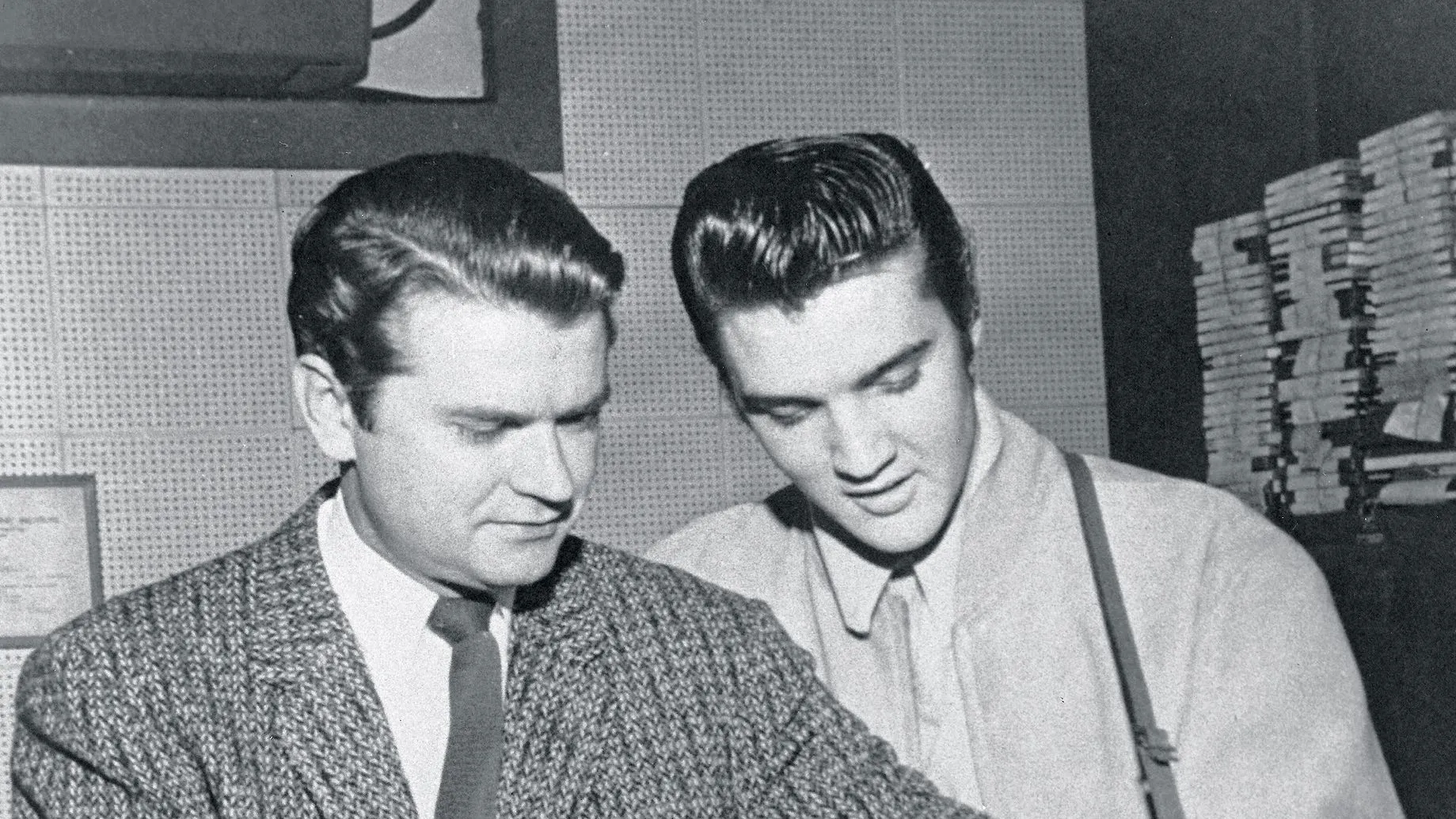
There’s a wild and untamed energy that courses through the veins of rock music, propelling it into the realms of legendary status. Have you ever wondered how the first rock artists managed to harness this raw power and create their masterpieces? Strap in as we take a journey back in time to explore the origins of rock and uncover the secrets behind the creation of iconic rock songs.
Key Takeaways:
- Innovation in sound: The first rock artists pushed boundaries by experimenting with new sounds, such as distorted guitars and innovative techniques like feedback.
- Lyrical depth: The lyrics of the early rock songs were authentic and often touched on themes of rebellion, love, and societal issues.
- Raw energy: The raw and passionate energy in the performances of the first rock artists captivated audiences and set them apart from other musical genres.
- Cultural impact: The masterpieces created by these artists not only defined a new genre of music but also influenced popular culture and social movements of the time.
- Laying the foundation: The pioneering work of the first rock artists laid the foundation for future musicians to build upon and continue evolving the genre.
The Dawn of Rock Art
The Roots of Rock Music
To truly understand how the first rock artists created their masterpieces, you must research into the roots of rock music. An explosive blend of rhythm and blues, country, and gospel music laid the foundation for this revolutionary genre. Picture the electrifying energy of Chuck Berry’s guitar riffs, the raw emotion of Little Richard’s vocals, and the rebellious spirit of Elvis Presley’s performances. This fusion of sounds and styles gave birth to a new era of music that spoke to the hearts of a generation hungry for change.
The Emergence of Rock Artists
The emergence of rock artists in the 1950s marked a significant turning point in music history. Young upstarts with electric guitars challenged the status quo and captured the essence of a restless youth culture. Icons like Jerry Lee Lewis, Buddy Holly, and Wanda Jackson pushed the boundaries of what was considered acceptable in popular music, paving the way for future rock legends. Their passion, rebellion, and creativity set the stage for a musical revolution that would echo through the decades.
Rock artists of the time were not only musicians but cultural provocateurs who defied conventions and sparked controversy. Their provocative lyrics, energetic performances, and larger-than-life personas captivated audiences and ignited a fire in the hearts of fans around the world. The lure of rock and roll was irresistible, offering an escape from the mundane and a glimpse into a world where anything was possible. The early pioneers of rock artistry blazed a trail for future generations, leaving a legacy that continues to inspire and influence artists to this day.
Tools of the Trade
Clearly, the first rock artists needed the right tools to create their pioneering sound. These tools were more than just instruments; they were symbols of rebellion and freedom. The guitars, drums, and amplifiers they used were not just means to an end but extensions of their own identities, helping them express their emotions and frustrations in a way that had never been done before.
Instruments of Rebellion
On your journey to understanding how the first rock artists created their masterpieces, you must first grasp the significance of their instruments. The electric guitar, with its loud, distorted sound, became the weapon of choice for these musicians. The drums, pounded with fury and precision, added a primal energy to the music. Together, these instruments formed the backbone of the rebellious spirit that defined rock and roll.
Rebellion was at the core of rock and roll’s inception. The artists of the time sought to break free from the constraints of traditional music and society, using their instruments to shatter norms and push boundaries. The electric guitar, in particular, allowed them to achieve a level of volume and distortion that was previously unheard of, setting the stage for the revolution that was to come.
The Birth of Electric Sound

Rebellion was not the only driving force behind the creation of the first rock masterpieces. The birth of electric sound played a crucial role in shaping the genre. By amplifying their instruments, musicians were able to create a raw, energetic sound that captured the angst and attitude of the era. This newfound electric power transformed the music scene, paving the way for a new wave of artists to make their mark on history.
The Creative Process
Inspiration from the Blues
Not all rock music was created in a vacuum. The roots of rock can be traced back to the blues, a genre that heavily influenced the early rock artists. The raw emotion, soulful vocals, and gritty guitar riffs of the blues provided a fertile ground for rock musicians to draw inspiration from.
Blues artists like Robert Johnson, Muddy Waters, and Howlin’ Wolf laid the foundation for what would later become rock music. Their stories of heartbreak, struggle, and triumph resonated with aspiring rock musicians, fueling their own creative fires.
By infusing the blues with their own experiences and musical styles, the early rock artists were able to create something entirely new and groundbreaking. They took the essence of the blues and transformed it into a genre that would redefine popular music for generations to come.
Experimentation and Innovation
An necessary aspect of the creative process for the first rock artists was experimentation and innovation. They were not content to simply replicate what had come before them; instead, they pushed the boundaries of music and ventured into uncharted territory.
One of the most famous examples of this experimentation is the use of distortion on electric guitars. Artists like Link Wray and The Kinks pioneered this technique, creating a raw and edgy sound that would become synonymous with rock music.
Another crucial element of their innovation was the blending of different musical styles. Rock artists drew from a wide range of influences, including country, rhythm and blues, and even classical music, resulting in a diverse and eclectic sound that set them apart from their predecessors.
The Role of Improvisation
One of the hallmarks of early rock music was the role of improvisation in the creative process. Unlike more structured genres, rock embraced spontaneity and improvisation, allowing musicians to express themselves in the moment.
Improvisation was particularly prevalent in live performances, where artists would feed off the energy of the crowd and each other, creating electrifying performances that were never the same twice.
This spirit of improvisation not only shaped the music itself but also the culture surrounding rock music. Fans were drawn to the unpredictability and excitement of live shows, fueling the growing popularity of rock music and solidifying its place in musical history.
The Art of Storytelling
Lyrics as Poetry
Your journey into understanding how the first rock artists created their masterpieces begins with recognizing the art of storytelling in their music. Lyrics play a crucial role in this process, acting as poetry set to music. These early rockers poured their hearts and souls into their lyrics, crafting intricate stories and powerful emotions that still resonate with listeners today.
To fully appreciate the lyrical genius behind these songs, you must dive deep into the poetic nature of the words. The metaphors, similes, and vivid imagery used by these artists paint a rich tapestry of emotions that evoke strong connections with the audience. Each line is carefully crafted to draw you in and make you feel something profound.
Lyrics serve as a window into the songwriter’s soul, offering a glimpse into their innermost thoughts and feelings. By examining the poetry within these songs, you can unravel the layers of meaning and uncover the stories that the artists sought to tell. The power of lyrics lies in their ability to transport you to another place and time, where you can experience the raw emotion and passion behind the music.
Painting Pictures with Words
For instance, Bob Dylan’s “The Times They Are A-Changin'” vividly captures the spirit of the 1960s civil rights movement through its poetic verses. The lyrics paint a powerful picture of social upheaval and calls for change, resonating with audiences then and now. This showcases how lyrics can be used to paint vivid pictures and convey powerful messages.
Lyrics act as verbal brushstrokes, creating intricate images and scenes within the listener’s mind. The ability to paint pictures with words is a unique skill possessed by the greatest songwriters, allowing them to evoke strong emotions and immerse the audience in their storytelling. Through clever word choice and storytelling devices, these artists bring their songs to life in a way that is truly mesmerizing.
Telling Stories through Music
One of the most powerful aspects of rock music is its ability to tell stories through the combination of lyrics and music. The emotional intensity conveyed through the lyrics is further enhanced by the music itself, creating a visceral experience for the listener. Each note and chord serves to underscore the storytelling elements of the song, adding depth and complexity to the narrative.
With the rise of concept albums in the 1960s and 1970s, artists began to explore more intricate forms of storytelling through music. Albums like Pink Floyd’s “The Dark Side of the Moon” and The Who’s “Tommy” are prime examples of how lyrics and music can come together to create immersive narratives that captivate audiences. These artists pushed the boundaries of traditional songwriting, paving the way for future generations to continue the tradition of telling stories through music.
The Influence of the Counterculture
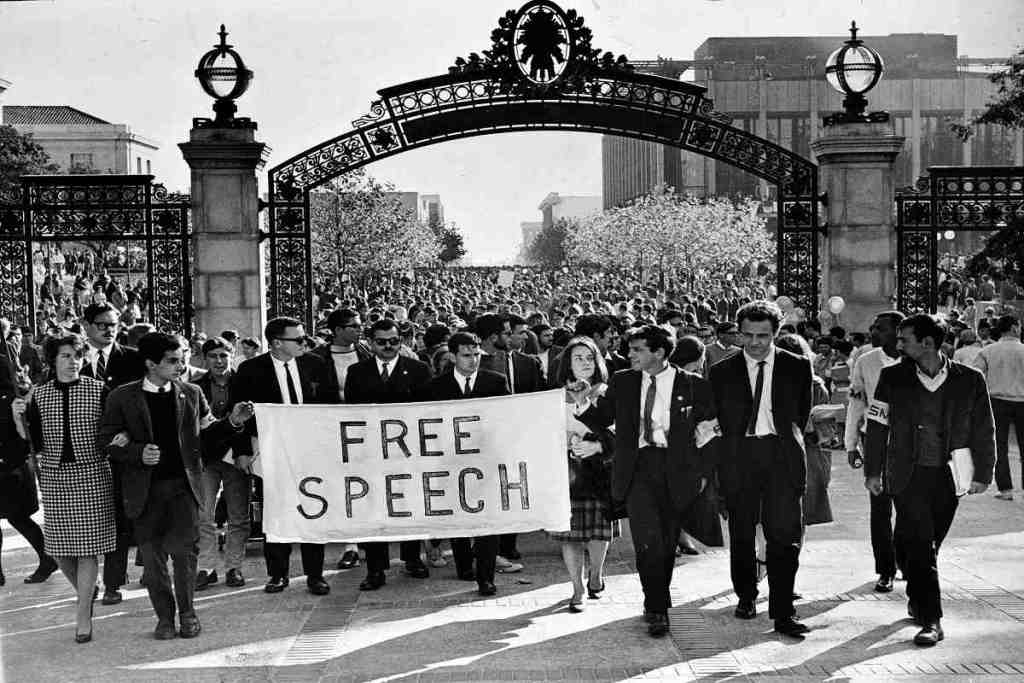
For Who was the first artist to popularize rock and roll? many early rock artists, the counterculture of the 1950s and 1960s played a significant role in shaping their music. The counterculture movement, with its emphasis on individuality, creativity, and rebellion against mainstream society, provided a fertile ground for rock artists to express themselves freely and push boundaries in their music.
The Beat Generation’s Impact
An important aspect of the counterculture’s influence on early rock artists was the impact of the Beat Generation. Beat poets and writers like Allen Ginsberg, Jack Kerouac, and William S. Burroughs inspired rock musicians with their anti-conformist attitudes and experimental approach to art. This influence can be seen in the lyrical content and unconventional song structures of many rock songs from that era.
The Rise of the Hippie Movement
Influence the counterculture had on rock artists also stemmed from the rise of the Hippie movement in the 1960s. Hippies promoted peace, love, and psychedelic experiences, values that were reflected in the music of bands like The Beatles, The Doors, and Jefferson Airplane. The Hippie movement’s rejection of materialism and embrace of communal living resonated with many rock artists, influencing both their music and lifestyles.
Plus, the Hippie movement popularized the use of mind-altering substances like LSD, which inspired musicians to explore new sounds and musical directions. This experimentation led to the development of genres like psychedelic rock, which incorporated elements of Eastern music and avant-garde soundscapes into traditional rock music, pushing the boundaries of what was considered mainstream.
Rock Music as Social Commentary
On top of being a form of artistic self-expression, rock music during this time also served as a powerful tool for social commentary. Many rock artists used their platform to address important issues such as civil rights, war, and political corruption. Songs like Bob Dylan’s “The Times They Are a-Changin'” and Marvin Gaye’s “What’s Going On” became anthems for social change, inspiring a generation to question authority and fight for justice.
Counterculture movements challenged societal norms and sparked a revolution in art, music, and politics. Through their music, early rock artists not only entertained audiences but also challenged them to think critically about the world around them and consider new possibilities. The counterculture of the 1950s and 1960s provided the creative freedom and rebellious spirit that fueled the creation of some of the greatest rock masterpieces in history.
The Masterpieces Take Shape
Many iconic rock albums and songs were created through a combination of raw talent, creativity, and experimentation. Artists like The Beatles, Led Zeppelin, and Pink Floyd pushed the boundaries of music by incorporating new sounds and innovative techniques into their work. These groundbreaking albums and songs laid the foundation for the rock music we know and love today, inspiring generations of musicians to come.
Iconic Albums and Songs
Shape:
The creative process behind these iconic albums and songs often involved hours of collaborative songwriting, intense recording sessions, and meticulous production choices. From the psychedelic sounds of The Doors’ self-titled debut album to the hard-hitting riffs of AC/DC’s “Back in Black,” each masterpiece was crafted with precision and passion. These albums and songs continue to stand the test of time, captivating listeners with their unforgettable melodies and powerful lyrics.
The Evolution of Rock Genres
Genres:
Rock music has evolved over the years, giving rise to various subgenres like punk, grunge, and alternative rock. Each new genre brought its own unique sound and style, pushing the boundaries of what rock music could be. As you explore the evolution of rock genres, you will discover how these different styles have influenced the music landscape and shaped the cultural zeitgeist.
Plus:
The fusion of different musical elements and genres has led to the creation of hybrid rock styles like indie rock, folk rock, and even electronic rock. These diverse influences have helped rock music remain relevant and innovative, appealing to a wide range of audiences around the world. By embracing experimentation and pushing artistic boundaries, rock artists continue to redefine the genre and create new and exciting sounds for you to enjoy.
Defining the Sound of a Generation
Masterpieces:
Rock music has always been a reflection of the times, capturing the social, political, and cultural movements of each era. Iconic albums like Bob Dylan’s “Highway 61 Revisited” and The Rolling Stones’ “Let It Bleed” served as anthems for a generation seeking change and self-expression. These masterpieces not only defined the sound of their time but also paved the way for future artists to express themselves freely and authentically.
For instance:
By studying the evolution of rock music and the artists behind these masterpieces, you can gain a deeper appreciation for the creativity and passion that went into creating some of the greatest albums and songs in music history. Each note, lyric, and riff was carefully crafted to resonate with audiences and stand the test of time, leaving an indelible mark on the world of music.
Conclusion
With this in mind, it’s fascinating to explore how the first rock artists created their masterpieces. By channeling their raw emotions and experiences into their music, these artists were able to connect with audiences on a profound level, creating timeless classics that still resonate with listeners today. From the electrifying guitar riffs to the soul-stirring lyrics, each element came together to form the foundation of what we now know as rock music.
As you explore deeper into the world of rock music, take a moment to appreciate the creativity and passion that fueled the early pioneers of the genre. From the rebellious spirit of Elvis Presley to the poetic brilliance of Bob Dylan, each artist brought their unique voice to the table, shaping the sound of rock for generations to come. So the next time you listen to your favorite rock song, remember the trailblazing artists who paved the way for the music we love today.
So, whether you’re a die-hard fan of classic rock or a casual listener, there’s no denying the impact that the first rock artists had on the music industry. Their fearless experimentation and boundary-pushing attitudes continue to inspire musicians to this day, reminding us all of the power of creative expression. As you continue to explore the world of rock music, remember to pay homage to those who started it all and paved the way for the iconic artists that followed in their footsteps.
FAQ
Q: How did the first rock artists create their masterpieces?
A: The first rock artists created their masterpieces by experimenting with different sounds, blending various musical genres, and drawing inspiration from their personal experiences and surroundings.
Q: What influenced the early rock artists in creating their music?
A: The early rock artists were influenced by blues, jazz, country, folk, and gospel music, as well as social and political movements, such as the Civil Rights Movement and the counterculture of the 1960s.
Q: How did technology impact the creation of rock music in its early days?
A: Technology played a significant role in the creation of rock music in its early days by introducing new recording techniques, amplification systems, and musical instruments, such as the electric guitar and synthesizer.
Q: Who were some of the pioneering rock artists and bands that shaped the genre?
A: Some of the pioneering rock artists and bands that shaped the genre include Elvis Presley, Chuck Berry, The Beatles, The Rolling Stones, Led Zeppelin, Jimi Hendrix, and Pink Floyd.
Q: How did the first rock artists influence the future of music and popular culture?
A: The first rock artists paved the way for future generations of musicians and artists by breaking musical boundaries, challenging societal norms, and creating a platform for self-expression and creativity that continues to influence music and popular culture today.
