



Over the years, the Michelin Star rating system has become synonymous with culinary excellence and luxury dining experiences. Michelin Star Restaurants are the crème de la crème of the restaurant world, recognized for their exceptional quality, creativity, and attention to detail. With a history dating back to the early 20th century, the Michelin Guide has evolved into the go-to resource for discerning food enthusiasts seeking out unforgettable gastronomic adventures.
From the bustling streets of Tokyo to the romantic alleyways of Paris, the Michelin Star Restaurants list spans the globe, showcasing the diversity and innovation of the international culinary scene. Earning a Michelin Star is a prestigious accomplishment for any chef or restaurant, signifying a dedication to perfection and a relentless pursuit of culinary excellence. Whether you’re a seasoned foodie or a curious traveler looking to indulge in a world-class dining experience, this comprehensive guide will take you on a journey to discover some of the most revered Michelin Star Restaurants across the world.
Prepare to tantalize your taste buds and elevate your dining experience as we investigate into the exclusive world of Michelin Star Restaurants. With meticulous research and expert recommendations, this curated list will showcase the best of the best in the culinary industry, offering insider tips and insights to help you navigate the elite dining landscape with confidence and sophistication. Whether you’re planning a special occasion or simply looking to treat yourself to an unforgettable meal, the Michelin Star Restaurants list over the world is your ultimate guide to indulging in a world of luxury, refinement, and gastronomic perfection.
Key Takeaways:
- Michelin Star Prestige: Michelin stars are the most prestigious awards in the culinary world, recognized as a mark of exceptional quality and dining experience.
- Global Recognition: The Michelin Guide covers restaurants in major cities around the world, highlighting culinary excellence internationally.
- Diverse Cuisine: Michelin stars are awarded to restaurants offering a wide range of cuisines, showcasing the diversity of culinary artistry worldwide.
- Exclusivity: Restaurants with Michelin stars are known for their exclusivity, often offering unique dining experiences and exceptional service.
- Exceptional Standards: To earn a Michelin star, restaurants must meet incredibly high standards of quality, creativity, and consistency in their dishes.
- Iconic Restaurants: Many Michelin-starred restaurants are considered iconic and bucket list destinations for food enthusiasts seeking unforgettable dining experiences.
- Continuous Innovation: Michelin-starred chefs are known for their innovation and creativity, pushing boundaries in gastronomy and setting trends in the culinary world.
Exploring Michelin Star Ratings

Understanding the Michelin Star System
If you are a food enthusiast or a traveler looking for exceptional dining experiences, you must be familiar with the prestigious Michelin Star ratings. The Michelin Guide is a series of guidebooks published by the French tire company Michelin. It not only provides information about restaurants but also awards them with Michelin Stars based on their quality. Michelin Stars are considered one of the highest honors in the culinary world and can significantly impact a restaurant’s reputation and success.
Understanding the Michelin Star system is vital to appreciate the significance of these ratings. The stars are awarded on a scale of one to three, with three stars being the highest accolade. A one-star rating signifies a very good restaurant, while two stars mean excellent cooking that is worth a detour. The coveted three-star rating is reserved for exceptional cuisine that is worth a special journey.
Receiving a Michelin Star is a momentous occasion for any chef or restaurant owner. It requires a high level of skill, consistency, and dedication to earn and maintain these prestigious stars. The criteria for achieving Michelin Stars are rigorous and encompass various aspects of the dining experience, including the quality of ingredients, the skill and creativity of the chef, the consistency of the food, the ambiance of the restaurant, and the level of service.
Criteria for Earning Michelin Stars
OneStar is the minimum requirement to be considered for a Michelin Star. However, merely offering excellent cuisine is not sufficient. Michelin inspectors, who are anonymous and independent, visit restaurants multiple times to assess the quality and consistency of the food and overall dining experience. The standards are exceptionally high, and restaurants must maintain their high level of performance to retain their Michelin Stars.
Types of Michelin Star Restaurants
To truly understand the world of Michelin-starred dining, it’s vital to grasp the various types of Michelin star restaurants that exist. From traditional and classic cuisine to innovative and modern dishes, Michelin-starred establishments offer a diverse range of culinary experiences. Knowing the distinctions between these types can help diners choose the perfect restaurant for their preferences.
Traditional and Classic Cuisine
Some Michelin-starred restaurants specialize in serving traditional cuisine rooted in specific regions or countries. Dishes are prepared using authentic techniques and quality ingredients. Chefs focus on perfecting traditional recipes for exceptional dining experiences. Guests can expect to savor history and culinary tradition at these restaurants, from iconic dishes to refined interpretations. Attention to detail and respect for culinary traditions are key. These establishments preserve and honor their culinary identities. For a taste of nostalgia and authentic dining, these restaurants offer a timeless journey through gastronomic history.
Innovative and Modern Cuisine
You will find innovative Michelin-starred restaurants that push culinary boundaries with modern cuisine. Chefs experiment with flavors, textures, and presentation, redefining dining through avant-garde techniques. These establishments surprise diners with inventive dishes, from molecular gastronomy to fusion cuisine. Guests are treated to visually stunning and delicious creations that transcend the ordinary, offering a culinary adventure. Modern Michelin-starred restaurants challenge traditional norms to shape the future of fine dining, providing a thrilling destination for those looking to explore new culinary horizons.
International and Ethnic Cuisine
Michelin-starred restaurants offer a diverse range of international and ethnic cuisine, showcasing flavors from around the globe. These establishments specialize in specific regional cuisines, showcasing authentic flavors and techniques unique to different parts of the world. Chefs at these restaurants are masters of their craft, providing diners with immersive dining experiences that transport them to distant lands. By highlighting culinary heritage, these restaurants foster cross-cultural exchange and unite people through a shared love of food. For diners looking to broaden their gastronomic horizons, these restaurants offer a passport to a unique culinary adventure.
Steps to Exploring Michelin Star Restaurants
For those looking to explore the world of Michelin Star restaurants, one of the first steps is to familiarize yourself with the top-tier establishments. You can start by checking out the List of Michelin 3-star restaurants on Wikipedia to discover some of the most renowned restaurants around the globe. This list serves as a great starting point for planning your culinary adventures.
How to Use the Michelin Guide
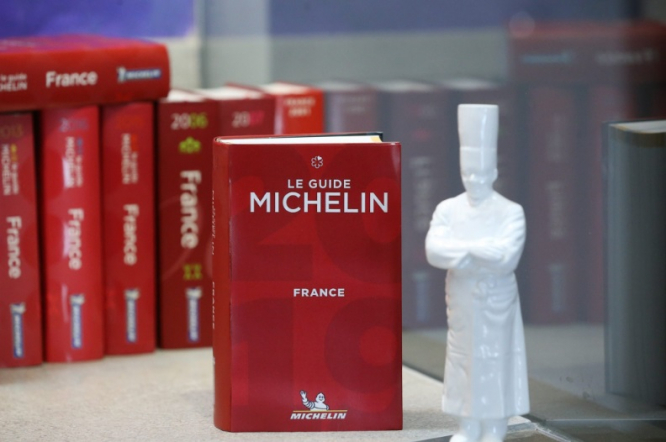
Clearly, the Michelin Guide is a valuable resource for anyone interested in exploring top-tier dining experiences. This prestigious guide not only provides a list of Michelin Star restaurants but also offers insights into each establishment’s specialties, ambiance, and overall dining experience. By studying the guide, you can make informed decisions on which restaurants align with your preferences and expectations.
When using the Michelin Guide, pay attention to the criteria used for awarding stars, as they can vary from region to region. Understanding these criteria will help you appreciate why certain restaurants receive higher ratings and what sets them apart. Additionally, consider exploring restaurants that have recently earned stars, as they may offer innovative menus and exceptional service.
For travelers, the Michelin Guide can serve as a roadmap for planning culinary journeys. Whether you’re visiting a new city or exploring a familiar region, consulting the guide can lead you to hidden gems and culinary delights that you might have otherwise overlooked.
Planning a Michelin Star Restaurant Experience
Assuming you have chosen a Michelin Star restaurant to visit, the next step is to plan your dining experience meticulously. Make reservations well in advance, as these establishments tend to book up quickly, especially during peak seasons. Be prepared to follow the restaurant’s dress code and adhere to any specific dining protocols they may have in place.
For instance, be aware that dining at a Michelin Star restaurant can be a pricey affair, with tasting menus and wine pairings often adding up to a substantial bill. However, the experience of savoring meticulously crafted dishes and impeccable service is often well worth the cost. Remember to savor every moment of your dining experience and appreciate the artistry and skill that go into creating each dish.
Michelin Stars Around the Globe: Overview

Europe’s Michelin Dining Landscape
While France remains the epicenter of fine dining, boasting the highest number of Michelin-starred restaurants in Europe, other countries are making their mark on the culinary scene. Spain’s avant-garde cuisine has earned it a reputation for cutting-edge gastronomy, with establishments like El Celler de Can Roca in Girona leading the pack. Italy, known for its traditional fare, surprises with innovative flavors at restaurants such as Osteria Francescana in Modena.
The United Kingdom has seen a surge in Michelin recognition, with London at the forefront of this gastronomic revolution. Nordic countries like Denmark and Sweden continue to impress with their focus on sustainability and local ingredients, exemplified by the likes of Noma in Copenhagen.
As culinary boundaries blur, Eastern Europe is also gaining recognition, with restaurants in countries like Hungary, Poland, and the Czech Republic receiving Michelin stars for their unique interpretations of regional cuisines.
The Americas: A New World of Starred Delights
While traditionally known for hearty comfort food, the Americas are now home to a plethora of Michelin-starred restaurants that offer a new dimension to dining experiences. The United States leads the pack with a diverse range of cuisines, from French-inspired fine dining at Per Se in New York City to innovative Californian fare at The French Laundry in Napa Valley.
Latin American countries like Mexico and Peru have also made their mark on the culinary map, with restaurants like Pujol in Mexico City and Central in Lima showcasing indigenous ingredients and culinary traditions. Canada, too, has seen a rise in Michelin-starred establishments, particularly in cities like Toronto and Montreal.
With an emphasis on local and sustainable ingredients, the Americas’ Michelin-starred restaurants offer a modern twist on traditional dishes, creating a fusion of flavors that captivate diners from around the world.
Asia’s Gourmet Marvels and Michelin Honors
Globetrotters seeking culinary adventures need look no further than Asia, where a plethora of Michelin-starred restaurants await. From the bustling street food stalls of Bangkok, Thailand, to the refined kaiseki cuisine of Kyoto, Japan, the continent offers a diverse range of flavors and dining experiences.
Japan, with its meticulous attention to detail and reverence for seasonal ingredients, leads the pack in Asia’s Michelin honors. The country boasts the most three-starred restaurants in the world, including Sukiyabashi Jiro in Tokyo, immortalized in the documentary “Jiro Dreams of Sushi.”
South Korea, Singapore, and Hong Kong are also emerging as culinary hotspots, with innovative chefs pushing the boundaries of traditional Asian cuisine and earning prestigious Michelin stars in the process.
Beyond the Conventional: Michelin Stars in Unexpected Destinations
If you think Michelin-starred dining is limited to major cities, think again. Destinations like Slovenia, Croatia, and even Iceland have entered the Michelin spotlight, showcasing their unique culinary heritage and local ingredients. The rugged terrain of Iceland, for example, inspires chefs to forage for wild herbs and seafood, resulting in innovative dishes that wow diners.
In Africa, countries like Morocco and South Africa are also gaining recognition for their vibrant flavors and diverse culinary traditions. From tagines in Marrakech to braai in Cape Town, these destinations offer a truly global dining experience that is both unexpected and unforgettable.
Overall, the Michelin Guide continues to evolve, celebrating culinary excellence in both traditional and unexpected locations around the world. As diners’ palates expand and chefs push the boundaries of creativity, the future of Michelin-starred dining promises to be full of surprises and gastronomic delights.
Factors Influencing the Michelin Guide’s Decisions
Many factors play a significant role in the Michelin Guide’s decisions when awarding coveted Michelin stars to restaurants around the world. These factors are carefully considered to ensure the credibility and integrity of the prestigious Michelin star system. Some of the key elements that influence the guide’s decisions include the quality of ingredients used, the mastery of cooking techniques, the consistency of the dining experience, and the creativity and innovation showcased in the dishes.
- Quality of Ingredients: One of the primary factors that inspectors assess is the quality of ingredients used in the dishes. Freshness, seasonality, and sourcing are crucial criteria in determining the excellence of a restaurant.
- Mastery of Cooking Techniques: Inspectors pay close attention to the skill and precision of the chefs in executing various cooking techniques. From knife skills to flavor balance, every aspect of the cooking process is scrutinized.
- Consistency and Creativity: Consistency in delivering exceptional dining experiences is key to earning and maintaining Michelin stars. Additionally, creativity and innovation in menu development and presentation elevate a restaurant’s chances of receiving this prestigious recognition.
This meticulous evaluation process ensures that only the best of the best are awarded Michelin stars, solidifying the guide’s reputation as the ultimate authority in the culinary world.
Inspection Process and Anonymity of Inspectors
Anonymity is paramount in the inspection process conducted by Michelin inspectors. These anonymous reviewers visit restaurants unannounced, paying for their meals like any regular diner. This secrecy ensures that the inspectors receive the same quality of food and service as any other guest, providing unbiased feedback to the guide. Inspectors undergo rigorous training to hone their palates and culinary knowledge, enabling them to accurately evaluate the restaurants they visit. Their detailed reports cover every aspect of the dining experience, from the moment they walk in the door to the final bite of dessert. The anonymity of the inspectors adds an element of surprise and authenticity to the evaluation process, making the Michelin stars truly merit-based.
Trends and Innovations in the Culinary Industry
The culinary industry is always changing and pushing the boundaries of gastronomy with new trends and innovations. Chefs experiment with unique flavors, techniques, and presentations to provide unforgettable dining experiences. This commitment to excellence has elevated dining globally, with Michelin-starred restaurants showcasing tradition while paving the way for the future of fine dining.
Cultural and Regional Diversification in Recent Selections
The Michelin Guide emphasizes cultural and regional diversification in recent selections, expanding to include diverse cuisines. This reflects the global nature of gastronomy, celebrating unique flavors and traditions. Factors influencing the guide’s decisions include ingredient quality, cooking mastery, cultural diversity, innovation, and trends. The meticulous inspection process, commitment to anonymity, and recognition of regional diversification ensure that Michelin stars remain prestigious accolades in the restaurant industry.
The Pros and Cons of Michelin Star Recognition
Achieving a Michelin star is prestigious but comes with immense pressure. Chefs must maintain perfection and consistency, facing scrutiny from critics and diners. Retaining stars can hinder creativity and innovation, impacting mental well-being. The financial burden of upkeeping stars can be substantial, challenging operational profitability. However, Michelin stars can boost reputation, create opportunities, and offer international recognition. Diners expect flawless service, exquisite presentation, and innovative cuisine from Michelin-star restaurants. To enhance your dining experience, research the restaurant, adhere to the dress code, engage with the staff, and savor each bite. Appreciating the chef’s artistry and understanding their culinary creations can elevate your dining adventure. By following these steps, you can ensure a memorable and enjoyable journey through the world of Michelin-star dining.
