


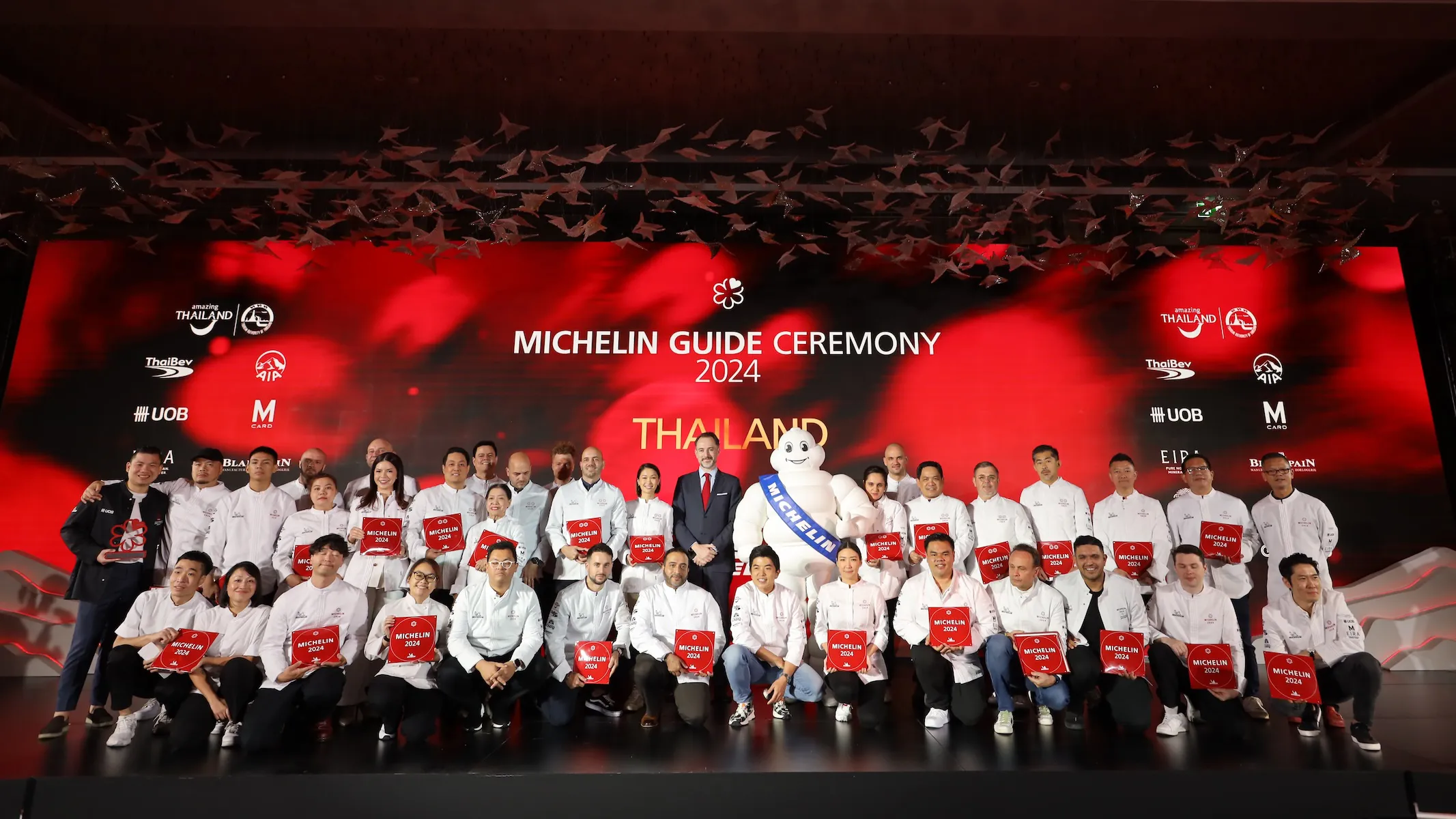
Stars aligning for new culinary sensations in 2024! As you navigate the gastronomic galaxy, let’s peer into the Michelin crystal ball to predict which rising culinary rockstars are poised to earn their first coveted Michelin stars next year. Buckle up, foodies, it’s going to be a delectable ride!
Key Takeaways:
- Emerging Talent: Several up-and-coming chefs are poised to earn their first Michelin stars in 2024.
- Global Diversity: The list includes chefs from diverse culinary backgrounds and regions around the world.
- Innovation and Creativity: Chefs who are pushing the boundaries with their innovative techniques and creative dishes are gaining attention from Michelin inspectors.
- Attention to Detail: The focus on meticulous attention to detail in both cooking and presentation is a common trait among these chefs.
- Rising Trends: Many of the chefs expected to earn their first Michelin stars in 2024 are known for incorporating sustainable practices and local ingredients into their menus, reflecting current culinary trends.
The Michelin Star System
What is a Michelin Star?
Michelin Stars are the gold standard in the culinary world. Awarded by the Michelin Guide, these stars are a mark of exceptional quality and skill in the restaurant industry. Running on a three-star system, with three stars being the highest accolade, earning a Michelin Star can catapult a chef and their restaurant to international fame and acclaim.
The History of Michelin Stars
For over a century, the Michelin Guide has been the go-to resource for food enthusiasts looking for the best dining experiences. Created by the Michelin tire company in 1900, the guide originally aimed to boost the demand for cars and, by extension, car tires. Over time, the guide shifted its focus to fine dining, introducing the Michelin Star system in the 1920s to recognize restaurants offering exceptional cuisine.
Understanding the prestige associated with Michelin Stars requires an appreciation for the meticulous standards they represent. Each star signifies different criteria such as the quality of ingredients used, the chef’s mastery of flavor and cooking techniques, consistency in delivering an outstanding dining experience, and the overall ambiance and service of the establishment.
The Criteria for Earning a Michelin Star
Little is known about the exact criteria Michelin inspectors look for when awarding stars, but there are general principles that chefs and restaurants must meet to earn this prestigious recognition. These criteria encompass everything from the quality of ingredients to the mastery of culinary techniques.
Quality of Ingredients
Criteria for earning a Michelin star often centers around the quality of ingredients used in the dishes. The fresher, more seasonal, and more locally sourced the ingredients are, the better. Chefs are expected to prioritize using top-notch, flavorful ingredients to create dishes that are exceptional in taste and presentation.
Mastery of Technique
One of the key elements Michelin inspectors consider when awarding stars is the chef’s mastery of culinary techniques. It’s not just about cooking a dish; it’s about showcasing a deep understanding of flavor profiles, textures, and cooking methods. Chefs must demonstrate a high level of skill and precision in their culinary craft to impress the discerning Michelin judges.
Ingredients may be sourced from all over, but it’s how a chef combines and transforms them that truly sets them apart. The way ingredients are treated and transformed through various cooking processes shows the chef’s expertise and flair, which are crucial in earning that coveted Michelin star.
Flavor, Presentation, and Consistency
Flavor, presentation, and consistency are paramount factors in the Michelin star criteria. Your dishes not only need to taste exquisite but also need to be visually appealing and consistently excellent. Each visit by a Michelin inspector should result in the same impeccable standards being met every time, showcasing the chef’s unwavering commitment to superior culinary artistry.
To achieve that sought-after Michelin star, you must not only excel in your culinary skills but also maintain a high level of quality in every aspect of your restaurant’s operation. From the first bite to the last, your dishes should tell a story of passion, dedication, and uncompromising standards.
The Rising Stars of 2024
Many culinary talents are making waves in the food industry, and the next generation of Michelin-starred chefs is on the rise. If you want to stay ahead of the game and discover the chefs tipped for success in 2024, look no further than These Are All the Michelin Mexico Honorees for 2024.
Chef Emma Taylor: A Force to be Reckoned With
Emma Taylor is a culinary virtuoso known for her innovative approach to traditional Mexican cuisine. With a keen eye for detail and a passion for showcasing authentic flavors, Emma has been turning heads in the culinary world. Her dedication to sourcing the finest ingredients and creating unforgettable dining experiences sets her apart as a rising star in the industry.
Chef Liam Chen: The Master of Molecular Gastronomy
Taylor is fearless when it comes to pushing the boundaries of flavor and presentation. His avant-garde take on molecular gastronomy has garnered him a loyal following of food aficionados who appreciate his artistic flair and scientific approach to cooking. Get ready to be amazed by Liam’s culinary creations that are as visually stunning as they are delicious.
It seems that Liam Chen’s unique culinary style is poised to earn him the coveted Michelin star in 2024, solidifying his position as one of the top talents to watch in the culinary world.
Chef Sophia Patel: Bringing Indian Cuisine to the Forefront
To experience a culinary journey like no other, look no further than Sophia Patel. Her passion for Indian cuisine shines through in every dish she creates, blending traditional flavors with a modern twist. Sophia’s dedication to introducing diners to the diverse and vibrant tastes of India has earned her recognition as a rising star in the culinary scene.
A skilled chef with a deep respect for the culinary traditions of her heritage, Sophia Patel is set to make a lasting impact on the world of fine dining. Whether you’re a longtime fan of Indian cuisine or a newcomer eager to explore new flavors, Sophia’s creations are sure to delight your taste buds.
Trends in Modern Cuisine
The Rise of Plant-Based Cuisine
All the rage in the culinary world right now is the rise of plant-based cuisine. You can’t escape the buzz around dishes that are totally plant-based, from jackfruit tacos to beetroot burgers. It seems like every chef worth their salt is experimenting with meat-free alternatives. Your Instagram feed is probably flooded with vibrant images of colorful salads and inventive plant-based creations. As more people turn to plant-based diets for health and environmental reasons, this trend is only expected to grow in 2024.
The Revival of Traditional Cooking Methods
With a nostalgic nod to the past, chefs everywhere are rediscovering traditional cooking methods. You can almost smell the wood smoke and hear the crackling of open flames as chefs roast, smoke, and grill their way to flavor perfection. Whether it’s cooking over an open fire pit or using age-old preservation techniques like fermenting and pickling, the revival of traditional cooking methods adds a touch of rustic charm to modern cuisine. It’s all about getting back to basics and embracing the simplicity and authenticity of cooking.
But it’s not just about the flavors – it’s also about the experience. Picture yourself dining in a cozy restaurant where the chef is grilling a beautifully marbled steak right in front of you. The sizzle of the meat, the aroma of smoke, the warmth of the fire – it all adds to the sensory pleasure of enjoying a meal cooked with traditional methods.
The Importance of Sustainability in Modern Kitchens
Plant-based cuisine isn’t just a passing fad – it’s a sustainable choice for the future of food. You’re probably noticing more and more restaurants focusing on sustainability in their kitchens, whether it’s reducing food waste, sourcing local and organic ingredients, or implementing eco-friendly practices like composting and recycling. Chefs are becoming more aware of their impact on the environment and are taking steps to minimize it.
Modern cuisine is not just about creating delicious dishes; it’s also about being mindful of the resources we use and the footprint we leave behind. By supporting restaurants that prioritize sustainability, you’re not only treating your taste buds but also contributing to a healthier planet for future generations. So next time you’re dining out, why not choose a restaurant that shares your values and commitment to sustainability?
The Role of Social Media in Chef Success
Despite the traditional belief that a chef’s success solely relies on their culinary skills, in today’s digital age, social media plays a significant role in propelling chefs into the spotlight. Building a strong online presence is crucial for chefs looking to earn their first Michelin star in 2024.
Building a Personal Brand
Brand yourself effectively on social media platforms to showcase your unique personality, style, and culinary philosophy. Engage with your followers, share behind-the-scenes moments, and establish a connection that goes beyond just your food. A strong personal brand can attract a loyal following and catch the attention of Michelin inspectors.
Showcasing Culinary Skills
Skills matter, but showcasing them on social media is equally important. Use platforms like Instagram and YouTube to share visually appealing and engaging content that highlights your culinary expertise. Post photos of your exquisite dishes, share cooking tips, and even livestream your culinary creations to captivate your audience.
The art of displaying your culinary skills on social media lies in striking a balance between showing off your creativity and staying true to your culinary roots. Embrace trends and innovation while staying authentic to your cooking style.
Engaging with Foodies and Critics
Building a strong relationship with foodies and critics on social media can greatly impact your journey towards earning a Michelin star. Interact with your audience, respond to comments and reviews, and show appreciation for their support. Positive word-of-mouth and reviews from influential food critics can significantly boost your reputation in the culinary world.
It’s not just about showcasing your dishes; it’s about engaging with your audience and building a community around your culinary creations. Collaborate with other chefs, participate in food events, and stay active on social media to keep your audience excited and invested in your culinary journey.
The Power of Mentorship
After honing your skills in the kitchen, it’s time to look towards the chefs who have already made their mark in the culinary world. Learning from the best is an necessary part of your journey towards earning your first Michelin star.
Learning from the Best
On your path to culinary success, seeking mentorship from established Michelin-starred chefs can provide invaluable guidance. Mentors can offer insights into techniques, flavor combinations, and the relentless dedication required to reach the pinnacle of gastronomy. By observing and absorbing the practices of these culinary maestros, you can refine your own craft and elevate your dishes to Michelin-worthy levels.
Paying it Forward
Forward-thinking chefs understand the importance of paying it forward in the culinary world. Sharing knowledge, skills, and opportunities with aspiring chefs not only fosters a sense of community but also cultivates the next generation of culinary talent. As you progress in your career, consider how you can give back to the culinary community and nurture the growth of future Michelin-starred chefs.
A chef who is generous with their knowledge not only uplifts others but also contributes to the overall development and innovation of the culinary industry.
The Importance of Kitchen Culture
Any aspiring Michelin-starred chef knows that success in the kitchen extends beyond just culinary prowess. Creating a positive and collaborative kitchen culture is necessary for fostering creativity, efficiency, and teamwork. Your kitchen should be a space where every member feels valued, respected, and motivated to push boundaries in pursuit of culinary excellence.
Importance placed on kitchen culture can significantly impact the quality of your dishes and the overall dining experience for your guests. By prioritizing a positive and supportive environment, you set the stage for culinary innovation and success in your quest for that coveted Michelin star.
Overcoming Challenges in the Kitchen
Managing Stress and Pressure
For a chef, managing stress and pressure in the kitchen is crucial for success. The fast-paced environment, high expectations, and demanding customers can create overwhelming situations. To stay calm under pressure, it’s necessary to prioritize tasks, delegate effectively, and maintain open communication with your team. Do not forget, a clear mind leads to better decision-making and ultimately, a more successful service.
Dealing with Criticism and Failure
Failure is inevitable in the culinary world, but it’s how you handle it that sets you apart. Embrace constructive criticism as a tool for growth and improvement. Learn from your mistakes, adapt your techniques, and strive for excellence. Do not forget, even the most renowned chefs faced setbacks in their careers. It’s all part of the journey towards culinary mastery.
Dealing with Criticism and Failure is not a sign of weakness but a stepping stone to becoming a better chef. Embrace feedback, learn from your failures, and use them as fuel to propel you towards success. Every setback is an opportunity for growth and a chance to refine your skills in the kitchen.
Staying Motivated and Inspired
Failure to stay motivated can be detrimental to your progress as a chef. Surround yourself with creativity, whether through experimenting with new ingredients, exploring different cuisines, or seeking inspiration from other chefs. Remember why you started on this culinary journey in the first place and let your passion drive you forward. Stay hungry for new experiences and keep pushing yourself to reach new gastronomic heights.
Motivated chefs are the ones who continuously seek inspiration and are never satisfied with the status quo. Whether it’s trying a new cooking technique, visiting a local market for fresh produce, or traveling to immerse yourself in different culinary traditions, staying motivated and inspired is key to evolving as a chef.
The Impact of Food Criticism
The Power of Reviews
Criticism can make or break a chef’s career. Reviews from food critics and platforms like Michelin can significantly impact your reputation and success in the culinary world. A glowing review can attract foodies from far and wide to taste your creations, while a negative critique can tarnish your image and turn diners away.
Dealing with Negative Feedback
With the rise of social media, everyone is a critic. It’s imperative to handle negative feedback gracefully, whether it’s from a professional reviewer or an unhappy customer. Note, not everyone will love your food, and that’s okay. Take constructive criticism as an opportunity to learn and improve your craft.
Plus, responding thoughtfully to negative reviews can show your professionalism and dedication to customer satisfaction. Address concerns, offer solutions, and show that you value all feedback, both positive and negative.
Building Relationships with Critics
Negative reviews may sting, but cultivating relationships with food critics can work in your favor in the long run. Invite them to special tastings, engage with them on social media, and show appreciation for their support. Building trust and rapport with critics can lead to more favorable reviews and increased visibility for your restaurant.
Reviews from critics can be a double-edged sword. While a positive review can propel your career, a negative one can set you back. It’s crucial to understand the power critics hold and to approach each review with professionalism and respect.
The Business of Running a Restaurant
Financial Management
Management is key when it comes to the financial side of your restaurant. Keeping track of expenses, revenue, and profits is crucial to ensure the success and sustainability of your establishment. Make sure you have a solid budget in place and stick to it rigorously. Consider factors like ingredient costs, staff salaries, rent, and other overheads when planning your finances.
Marketing and Promotion
An effective marketing and promotion strategy can make or break your restaurant. Social media presence, collaborations with influencers, and running promotions can help attract more customers to your establishment. Consider investing in professional photography to showcase your dishes and create an enticing menu that leaves a lasting impression on your diners.
A strong online presence is important in today’s digital age. Make sure your restaurant is listed on popular review sites like Yelp and TripAdvisor, and engage with customers by responding to their reviews and feedback. Consider running targeted online ads to reach a wider audience and create buzz around your restaurant.
Staff Management and Training
For effective staff management and training, it’s important to foster a positive work environment where your employees feel valued and motivated. Provide opportunities for growth and advancement within your team, and invest in regular training to ensure impeccable service standards. Happy and well-trained staff can greatly impact the overall dining experience for your customers.
Marketing your restaurant also involves showcasing your team. Highlight the expertise and passion of your chefs and kitchen staff on your website and social media platforms. Sharing behind-the-scenes glimpses of your team in action can create a personal connection with your audience and build trust in your brand.
The Art of Menu Engineering
Your culinary expertise is not solely about creating delicious dishes; it also involves the art of menu engineering. Every detail on your menu plays a crucial role in shaping the dining experience for your patrons. From the layout and design to the descriptions and prices, each element requires careful consideration to craft a cohesive and enticing menu.
Creating a Memorable Dining Experience
The key to creating a memorable dining experience lies in offering more than just food; it’s about storytelling through your menu. By infusing personal anecdotes, cultural references, or ingredient origins into your dish descriptions, you can transport your guests on a culinary journey that enhances their overall dining experience.
Balancing Flavors and Textures
Engineering a menu that balances flavors and textures is crucial to satisfying your diners’ palates and keeping them intrigued. Explore a harmonious combination of bold and subtle flavors, crunchy and creamy textures, and familiar and exotic ingredients to create a diverse and exciting dining experience.
For instance, pairing a crispy, fried element with a velvety, smooth sauce can create a satisfying contrast that elevates a dish from ordinary to extraordinary.
Pricing and Profitability
Menu pricing is not just about covering your costs; it’s about maximizing profitability while offering value to your customers. Strategically pricing menu items based on ingredient costs, market trends, and perceived value can help you optimize your revenue without compromising the overall dining experience.
Memorable dining experiences often come at a price, but finding the sweet spot where quality meets value is the key to attracting and retaining satisfied customers.
The Importance of Food Safety and Hygiene
Maintaining a Clean Kitchen
Cleanliness is the cornerstone of a successful kitchen. It’s not just about appearances; it’s about preventing foodborne illness and ensuring the safety of your guests. Make sure your kitchen is spotless at all times. This means regular deep cleaning of surfaces, equipment, and utensils. A clean kitchen is a happy kitchen!
Preventing Cross-Contamination
Food safety is paramount in any kitchen. Preventing cross-contamination is crucial to avoid the spread of harmful bacteria. Keep raw meats separate from ready-to-eat foods, use color-coded cutting boards for different food groups, and always wash your hands thoroughly after handling raw ingredients. Your diligence in this area can make all the difference in upholding high standards of food safety.
Plus, be mindful of kitchen tools and equipment that come in contact with multiple ingredients. Regularly sanitize and disinfect items like knives, cutting boards, and countertops to minimize the risk of cross-contamination. Your attention to detail in these small tasks can have a big impact on the overall safety of your kitchen.
Training Staff on Food Safety Protocols
The key to maintaining a culture of food safety in your kitchen is to ensure that all staff members are well-trained in food safety protocols. From proper handwashing techniques to safe cooking temperatures, everyone in your team should be well-versed in the best practices for handling food. It’s not just about following rules; it’s about protecting the health of your customers and the reputation of your establishment.
The success of your kitchen hinges on the collective effort of your team to prioritize food safety. Regular training sessions, ongoing education, and leading by example can instill a strong sense of responsibility in your staff when it comes to upholding the highest standards of hygiene and safety in the kitchen.
The Future of Fine Dining

Keep It’s Time for Michelin to Break the Glass Ceiling in mind as we explore the future of fine dining. The culinary world is constantly evolving, with new trends and technologies shaping the way we experience food. As we look ahead to 2024, there are exciting developments on the horizon that are sure to make an impact on the industry.
Emerging Trends and Technologies
The culinary world is no stranger to innovation, and the coming years are set to see even more advancements. From the rise of plant-based proteins to the integration of artificial intelligence in kitchen operations, the way we approach food and dining is rapidly changing. As a chef, staying ahead of these trends and embracing new technologies can set you apart in an ever-evolving industry.
The Evolution of Haute Cuisine
The world of haute cuisine is undergoing a transformation, with chefs pushing boundaries and redefining what fine dining means. As tastes become more diverse and diners seek unique experiences, there is a shift towards more personalized and experimental menus. Embracing this evolution and daring to be different can be the key to success in a competitive culinary landscape.
Emerging from traditional French roots, haute cuisine is now a global phenomenon, drawing inspiration from cultures around the world. Chefs are incorporating flavors and techniques from diverse culinary traditions, creating fusion dishes that challenge traditional notions of fine dining.
The Role of Chefs in Shaping the Industry
Industry leaders are recognizing the influential role that chefs play in shaping the future of dining. Your creativity, innovation, and willingness to take risks can pave the way for new culinary trends and experiences. As a chef, you have the power to drive change and lead the industry towards a more dynamic and inclusive future.
Another important aspect of the chef’s role is sustainability and ethical sourcing. As consumers become more conscious of their food choices, chefs have a responsibility to promote sustainability in their practices. By championing local, seasonal ingredients and promoting sustainable farming practices, you can make a positive impact on the industry and inspire others to follow suit.
The Pressure of Expectation
Once again, the culinary world is abuzz with anticipation as chefs gear up for the possibility of earning their first Michelin stars in 2024. As you eagerly await the announcement of who will join the prestigious ranks of Michelin-starred chefs, you might wonder how these culinary geniuses cope with the pressure of such high expectations. To probe deeper into this world of gastronomic excellence, check out the Country crowned for the most Michelin Starred Restaurants to get a glimpse of what it takes to reach the top.
Dealing with High Expectations
To earn a Michelin star is a dream come true for many chefs, but it also comes with its own set of challenges. The pressure to maintain the high standards associated with this coveted recognition can be immense. As you strive for culinary perfection and excellence in your craft, it’s necessary to stay true to your unique style and vision while also meeting the rigorous demands of Michelin inspectors.
Managing Pressure and Stress
Any aspiring chef on the path to Michelin stardom knows that the journey is not without its obstacles. The pressure to perform at your best, day in and day out, can take a toll on your mental and physical well-being. It’s necessary to find healthy ways to cope with stress, whether through mindfulness practices, exercise, or seeking support from fellow chefs who understand the challenges you face. Keep in mind, managing pressure and stress is key to sustaining long-term success in the culinary world. Plus,
Staying Focused and Motivated
On your quest for that elusive Michelin star, staying focused and motivated is crucial. It’s easy to get caught up in the whirlwind of expectations and competition, but it’s necessary to remind yourself why you started on this culinary journey in the first place. Whether it’s a love for food, a desire to create unforgettable dining experiences, or simply a drive to be the best in your field, keeping your goals front and center can help you navigate the ups and downs of the industry.
Managing the pressure of expectation, coping with stress, and staying focused and motivated are all necessary components of the journey to Michelin stardom. Keep in mind, it’s not just about the destination but also the lessons learned and the growth experienced along the way.
Final Words
Drawing together all the predictions and possibilities, the culinary scene in 2024 is set to be an exciting one, with a new crop of talented chefs waiting in the wings to earn their first Michelin stars. Whether it’s the innovative fusion cuisine of Chef A or the classic French techniques of Chef B, you can expect a mix of traditional and modern flavors to tantalize your taste buds in the upcoming year.
So, keep an eye out for these rising stars in the gastronomic world, and be sure to make your reservations early, because once those Michelin stars are awarded, everyone will be clamoring to experience the magic that these chefs bring to the table. Bon appétit!
Q: Who decides which chefs earn their first Michelin stars?
A: Michelin inspectors visit and evaluate restaurants anonymously to determine which chefs deserve a Michelin star.
Q: What criteria do Michelin inspectors use to award stars to chefs?
A: Michelin stars are awarded based on the quality of the ingredients used, the skill displayed in the preparation of the food, the chef’s personality as reflected in the cuisine, and consistency in delivering high-quality dishes.
Q: Why is earning a Michelin star significant for chefs?
A: A Michelin star is a prestigious recognition in the culinary world that can elevate a chef’s career, bring international acclaim to their restaurant, and attract discerning diners seeking exceptional dining experiences.
Q: How does earning a Michelin star impact a chef’s restaurant?
A: Earning a Michelin star can significantly increase a restaurant’s popularity, attract more customers, and command higher prices for meals, leading to greater success and recognition in the culinary industry.
Q: Are there any chefs expected to earn their first Michelin stars in 2024?
A: While there are no certainties, every year brings new talent and innovative cuisine, making it likely that several chefs around the world will earn their first Michelin stars in 2024.
