



Many corporate companies rely heavily on their financial balance sheets to assess their overall financial health and make strategic business decisions. Understanding how to interpret and analyze these crucial documents can provide you with valuable insights into the company’s assets, liabilities, and equity. By mastering the art of reading balance sheets, you can uncover hidden opportunities or potential risks that may impact the company’s future success. Let’s investigate into the world of financial balance sheets and discover their profound impact on corporate entities.
Key Takeaways:
- Financial balance sheets are crucial tools for understanding a company’s financial health and performance.
- Assets and liabilities on a balance sheet can impact a company’s overall financial standing and ability to obtain financing.
- Shareholders and investors closely analyze a company’s balance sheet to evaluate its profitability and sustainability.
- Effective management of balance sheet items can lead to improved cash flow, increased profit margins, and long-term growth.
- Financial ratios derived from balance sheet data help in assessing a company’s liquidity, solvency, and overall financial stability.
The Purpose of Financial Balance Sheets
The financial balance sheet of a company serves as a crucial tool that provides a comprehensive overview of the organization’s financial standing at a specific point in time. It presents a snapshot of the company’s assets, liabilities, and shareholders’ equity, giving you a clear picture of how effectively the company is utilizing its resources to generate profits.
Providing a Snapshot of a Company’s Financial Health
Company’s financial balance sheet offers valuable insights into its liquidity, solvency, and overall financial health. By examining the asset section, you can assess the resources owned by the company, such as cash, accounts receivable, and inventory. On the other hand, the liabilities portion reveals the company’s obligations, including debts and payables. By analyzing the shareholders’ equity, you can determine the company’s net worth and the portion of assets financed by shareholders.
Additionally, the financial balance sheet allows you to calculate important financial ratios like the current ratio, debt-to-equity ratio, and return on equity, which are instrumental in evaluating the company’s performance and comparing it to industry benchmarks. These ratios provide key insights into how efficiently the company is managing its finances, its level of indebtedness, and its ability to generate returns for shareholders.
Facilitating Informed Decision-Making
One of the primary functions of the financial balance sheet is to facilitate informed decision-making. Whether you are a potential investor, creditor, or internal stakeholder, analyzing the balance sheet can help you assess the company’s financial stability and growth prospects. With this valuable information at your disposal, you can make well-informed decisions regarding investing in the company, extending credit, or participating in strategic initiatives.
DecisionMaking based on the insights gleaned from the financial balance sheet can lead to opportunities for growth and profitability. By understanding the company’s financial position, you can identify areas of strength and weakness, allowing you to make strategic recommendations that capitalize on the company’s strengths while addressing its vulnerabilities. This proactive approach empowers you to maximize your returns and mitigate risks effectively.
Key Components of a Financial Balance Sheet

There’s a wealth of information that can be gleaned from a company’s financial balance sheet. By understanding the key components of this necessary financial document, you can gain valuable insights into a company’s financial health and performance. For a comprehensive overview of balance sheets, you can refer to resources such as Understanding Balance Sheets.
Assets: What a Company Owns
Components of a financial balance sheet include assets, which represent what a company owns. Assets can be categorized into current assets (such as cash, accounts receivable, and inventory) and non-current assets (like property, plant, and equipment). Understanding a company’s assets provides insight into its liquidity, operational efficiency, and overall financial stability.
By analyzing the composition and trends in a company’s assets, you can assess its ability to meet short-term obligations, invest in growth opportunities, and weather financial challenges. Assets are crucial indicators of a company’s resource base and can influence its strategic decisions and financial performance.
It’s necessary to scrutinize the quality and value of a company’s assets to accurately evaluate its financial position. An in-depth analysis of assets can uncover potential risks, opportunities for growth, and areas where strategic adjustments may be necessary.
Liabilities: What a Company Owes
Company liabilities represent what a company owes to external parties and include both current liabilities (such as accounts payable and short-term debt) and long-term liabilities (like bonds and mortgages). Analyzing a company’s liabilities is crucial for understanding its debt obligations, financial leverage, and risk exposure.
What a company owes can significantly impact its financial stability, borrowing capacity, and overall solvency. High levels of debt and unfavorable liability structures can pose risks to a company’s long-term viability and may hinder its ability to pursue growth initiatives or withstand economic downturns.
By examining the nature and terms of a company’s liabilities, you can assess its ability to manage debt, generate returns for investors, and sustain profitability. Effective liability management is vital for safeguarding a company’s financial health and ensuring long-term sustainability.
Equity: A Company’s Net Worth
Liabilities and equity represent the sources of a company’s funding and its equity reflects the difference between assets and liabilities. Equity represents the ownership stake held by shareholders and encompasses common stock, preferred stock, retained earnings, and additional paid-in capital.
Equity is a key indicator of a company’s net worth and financial resilience. Positive equity signifies that a company’s assets exceed its liabilities, indicating a strong financial position and capacity for growth. Shareholders’ equity is necessary for measuring a company’s value creation, return on investment, and shareholder value.
Monitoring changes in a company’s equity over time can provide insights into its financial performance, capital structure, and shareholder wealth. Equity plays a significant role in determining a company’s ability to attract investors, fund operations, and generate sustainable value in the long run.
How Financial Balance Sheets Impact Corporate Companies
All corporate companies rely heavily on their financial balance sheets to make critical decisions that affect their operations and future growth. These balance sheets provide a snapshot of the company’s financial health at a specific point in time, allowing you to assess your assets, liabilities, and equity. By analyzing this information, you can gain valuable insights into your company’s financial standing and make informed decisions to drive success.
Identifying Areas for Improvement
With a thorough analysis of your financial balance sheet, you can identify areas within your company that may require improvement. By pinpointing weak spots in your financial structure, such as high debt levels or low asset turnover, you can take proactive measures to address these issues and strengthen your financial position. Whether it’s reducing expenses, increasing revenue streams, or restructuring debt, understanding your balance sheet is imperative for identifying and prioritizing areas for improvement.
Evaluating Performance and Progress
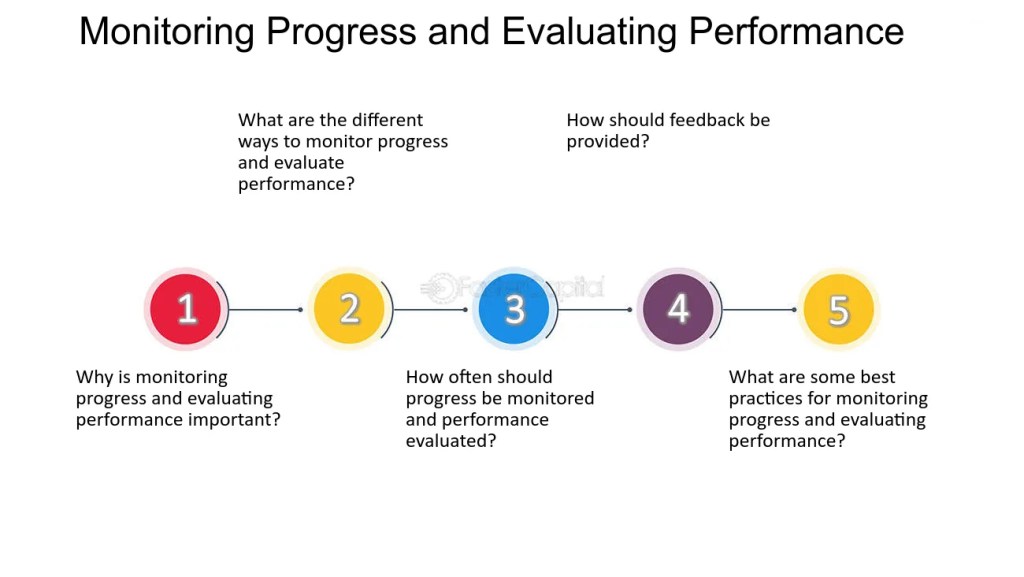
An effective way to evaluate your company’s performance and progress is by comparing current balance sheets to historical data. By tracking changes in your financial metrics over time, you can analyze trends, spot patterns, and measure the effectiveness of your financial strategies. This comparison allows you to see if your company is moving in the right direction, achieving its goals, and making consistent progress towards financial stability and growth.
Evaluating financial balance sheets can also help you assess the impact of your business decisions on your company’s bottom line. By examining key financial ratios and metrics, such as return on equity or debt-to-equity ratio, you can gain valuable insights into how your decisions are influencing your company’s financial performance. This information is crucial for making adjustments, fine-tuning strategies, and ensuring that your company stays on track towards its financial objectives.
Informing Strategic Business Decisions
Improvement Having a deep understanding of your financial balance sheet is crucial for informing strategic business decisions. Whether you are considering expanding into new markets, investing in new technologies, or acquiring a competitor, your balance sheet can provide imperative information to support these decisions. By analyzing your financial health and capacity, you can better assess risks, allocate resources effectively, and make decisions that align with your company’s long-term goals.
Identifying Financial balance sheets can also help you identify potential opportunities for growth and development within your company. By examining your assets and liabilities, you can uncover areas where you can invest resources to generate higher returns, optimize efficiency, or diversify your revenue streams. This proactive approach to decision-making, based on a thorough analysis of your balance sheet, can help you position your company for sustained success and competitive advantage in the market.
The Role of Financial Balance Sheets in Risk Management
Identifying Potential Risks and Threats
Sheets play a crucial role in risk management by helping corporate companies identify potential risks and threats. By examining the assets, liabilities, and equity on a balance sheet, you can pinpoint areas that may pose risks to the financial stability of the company. For example, high levels of debt or a significant decrease in asset values can indicate financial vulnerability. Understanding these risks is the first step in developing strategies to mitigate them.
Developing Strategies to Mitigate Risks
Role of financial balance sheets in risk management extends to developing strategies to mitigate identified risks. Once you have identified potential threats through a comprehensive analysis of the balance sheet, you can devise strategies to minimize their impact. This could involve reducing debt levels, diversifying assets, or implementing risk hedging mechanisms. By leveraging the insights gained from the balance sheet, you can proactively address risks and protect the financial health of the company.
With developing strategies to mitigate risks, it’s imperative to prioritize the most critical threats to the company’s financial stability. Not all risks will have the same potential impact, so focusing on addressing the most significant ones first can lead to more effective risk management outcomes. By allocating resources and attention to the most pressing risks, you can enhance the resilience of the company and safeguard its long-term success.
Monitoring and Reviewing Risk Management Efforts
Monitoring and reviewing risk management efforts are imperative components of leveraging financial balance sheets for effective risk management. Risk factors are dynamic and can evolve over time, making regular monitoring and review critical. By consistently reassessing the risks identified in the balance sheet and evaluating the effectiveness of mitigation strategies, you can adapt quickly to changing circumstances and ensure that the company remains resilient in the face of potential threats.
Developing a robust risk management framework that incorporates continuous monitoring and review processes is key to successfully leveraging financial balance sheets for risk management. By establishing clear protocols for monitoring, reviewing, and adjusting risk management strategies, you can enhance the agility and responsiveness of the company in navigating uncertain financial environments. Regular reviews enable you to stay proactive in managing risks and maintaining the financial health of the organization.
The Connection Between Financial Balance Sheets and Investor Confidence
Now let’s probe into the crucial link between financial balance sheets and investor confidence. One of the primary ways in which financial balance sheets impact investor confidence is through **Transparency and Accountability**.
Transparency and Accountability
Sheets that provide a clear overview of a company’s financial health instill confidence in investors. By openly sharing financial data, companies show that they have nothing to hide. This transparency breeds trust and accountability, reassuring investors that their funds are in good hands. When investors can easily access and understand a company’s financial position, they are more likely to make informed investment decisions.
Additionally, transparent balance sheets help prevent fraudulent activities and unethical behavior within the company. By regularly disclosing financial information, companies are held accountable by both investors and regulatory bodies, reducing the risk of financial misconduct that could harm investor trust.
Moreover, transparent financial reporting enhances the company’s credibility and reputation in the market. Investors gravitate towards companies that are open about their financial standing, as it demonstrates a commitment to honesty and integrity in all business practices.
Building Trust with Investors and Stakeholders

Transparency in financial balance sheets is the cornerstone of building trust with investors and stakeholders. When **trust** is established, investors feel more secure in their decision to invest in a company. They can rely on the accuracy of the financial information provided, which fosters a long-term relationship based on mutual trust and respect.
Building a strong rapport with investors and stakeholders through transparent financial reporting goes beyond numbers. It showcases a company’s commitment to ethical conduct and corporate governance, crucial aspects that form the foundation of sustainable business growth. By prioritizing transparency, companies not only attract investors but also maintain lasting partnerships built on trust and transparency.
Enhancing a Company’s Reputation
The **Connection** between financial balance sheets and a company’s reputation cannot be overstated. A transparent and accountable approach to financial reporting enhances the company’s image in the eyes of investors, stakeholders, and the general public. Companies known for their integrity in financial matters are perceived as reliable and trustworthy entities in the market.
Another critical aspect of enhancing a company’s reputation is the positive impact on brand perception. Companies that prioritize transparency in their financial operations are seen as ethical and dependable, which can attract more investors and customers who value integrity. This virtuous cycle of trust and reputation can significantly boost a company’s standing in the competitive business landscape.
Common Challenges and Limitations of Financial Balance Sheets
Many challenges and limitations can arise when dealing with financial balance sheets. These issues can impact the accuracy and reliability of the information presented, leading to potential misinterpretations and decision-making errors. **Dealing with Uncertainty and Ambiguity** is one of the primary challenges faced when working with financial balance sheets. The data presented in these sheets may not always provide a clear and precise picture of a company’s financial health. Uncertainty regarding the accuracy of figures or the interpretation of complex financial transactions can lead to challenges in making informed decisions based on the information available.
Dealing with Uncertainty and Ambiguity
One way to address this challenge is by conducting thorough research and analysis to gain a deeper understanding of the data presented in the balance sheet. **Managing** this uncertainty requires a critical eye and a willingness to dig into the details to uncover any potential discrepancies or inconsistencies. By questioning the information presented and seeking additional clarification where needed, you can enhance the reliability of the data and make more informed decisions for your company.
Managing Complexity and Data Overload
Managing the complexity and data overload present in financial balance sheets is another significant challenge. The sheer volume of information can be overwhelming, making it difficult to extract key insights and identify trends that may impact your company’s financial health. **Financial** balance sheets contain a wealth of data that requires careful analysis and interpretation to extract meaningful conclusions that can guide strategic decision-making.
Financial balance sheets can also be susceptible to biases and errors that may skew the information presented. **Addressing Potential Biases and Errors** is crucial to ensuring the accuracy and reliability of the data. Dealing with biases such as overestimating assets or underreporting liabilities requires a thorough review of the balance sheet with a critical mindset. By being aware of common biases and errors that can occur in financial reporting, you can take steps to mitigate these risks and ensure the integrity of the information presented.
Thus, **uncertainty** and ambiguity, managing complexity and data overload, and addressing potential biases and errors are common challenges and limitations that can impact the effectiveness of financial balance sheets for corporate companies. By being aware of these challenges and taking proactive steps to mitigate risks, you can enhance the reliability and accuracy of the financial information used to drive strategic decision-making for your company.
Conclusion
As a reminder, financial balance sheets are critical tools that provide a snapshot of a company’s financial health at a specific point in time. By understanding and analyzing these balance sheets, you can gain valuable insights into a company’s assets, liabilities, and equity, which can help you make informed investment decisions or assess the financial stability of your own business. Whether you are a shareholder, investor, or business owner, the information contained in a balance sheet is crucial for understanding the overall financial performance and position of a company.
Moreover, financial balance sheets impact corporate companies in various ways, influencing their ability to attract investors, secure loans, and make strategic business decisions. A strong balance sheet, with healthy levels of assets and minimal liabilities, signals financial stability and can enhance a company’s reputation in the eyes of investors and creditors. On the other hand, a weak balance sheet with high debt levels and low cash reserves can raise concerns about the company’s long-term viability and lead to decreased investor confidence.
To conclude, mastering the analysis of financial balance sheets is a valuable skill that can empower you to make informed financial decisions and better understand the inner workings of corporate companies. By delving into the numbers and deciphering the information presented in these documents, you can gain a deeper appreciation for the financial health of businesses, identify potential risks and opportunities, and ultimately, enhance your ability to navigate the complex world of corporate finance.
Q: What is a financial balance sheet?
A: A financial balance sheet is a snapshot of a company’s financial position at a specific point in time, showing assets, liabilities, and shareholders’ equity.
Q: How do financial balance sheets impact corporate companies?
A: Financial balance sheets play a crucial role in helping corporate companies assess their financial health, make informed decisions, attract investors, and secure loans.
Q: What are assets and liabilities on a financial balance sheet?
A: Assets are resources owned by a company (such as cash, inventory, and property) that provide future economic benefits, while liabilities are obligations (such as loans and accounts payable) that must be settled in the future.
Q: How does shareholders’ equity factor into a financial balance sheet?
A: Shareholders’ equity represents the company’s net worth, calculated as total assets minus total liabilities. It indicates the amount of the company’s assets that belong to its shareholders after all debts are paid off.
Q: How can financial balance sheets help in strategic decision-making for corporate companies?
A: Financial balance sheets provide insights into a company’s liquidity, solvency, and overall financial performance, enabling management to identify areas of improvement, allocate resources efficiently, and plan for future growth and expansion.
