



Many factors influence the economy, and one of the key players in this complex system is the financial market. The financial market plays a crucial role in shaping the overall economic landscape of a country, affecting everything from interest rates and investment levels to employment and consumer spending.
Understanding how the financial market impacts the economy is vital for policymakers, investors, and the general public. In this blog post, we will explore the various ways in which the financial market influences economic conditions and why it is important to pay attention to these dynamics.
Key Takeaways:
- Financial markets play a crucial role in the economy: They help in the efficient allocation of resources by matching savers with borrowers and investors with opportunities.
- Market fluctuations can affect economic stability: Sudden changes in the financial markets can have ripple effects on businesses, consumer spending, and overall economic growth.
- Interest rates set by the financial market influence borrowing and spending: Changes in interest rates impact the cost of borrowing for businesses and individuals, which in turn affects investment and consumption.
- Stock market performance can reflect economic health: The stock market is often seen as an indicator of economic health, with rising stock prices signaling a strong economy and vice versa.
- Regulation is important for market stability: Proper regulation of the financial markets is crucial to prevent fraud, maintain investor confidence, and ensure the stability of the economy.
The Structure of Financial Markets
While the financial market may seem like a complex web of institutions and transactions, it can be broadly categorized into money markets and capital markets. Money markets deal with short-term debt securities and financial instruments that are highly liquid and have a maturity period of one year or less. Capital markets, on the other hand, deal with long-term securities such as stocks and bonds, which are crucial for businesses and governments to raise funds for investments and projects.
Description of Key Financial Instruments
Financial instruments are assets that can be traded, allowing investors to buy or sell stakes in companies, debt securities, commodities, or other financial assets. Some key financial instruments include stocks (equity), bonds (debt), commodities, derivatives, and foreign exchange (forex).
Role of Stock Markets, Bond Markets, and Derivatives
Markets such as stock markets, bond markets, and derivatives play a vital role in the financial system by facilitating the flow of capital between investors and borrowers. Stock markets allow companies to raise funds by selling ownership stakes to investors, while bond markets enable governments and corporations to borrow money by issuing bonds with fixed interest rates. Derivatives provide a way for investors to hedge risks or speculate on price movements in various financial instruments.
Stock markets are where shares of publicly traded companies are bought and sold, allowing companies to raise capital to fund their operations and expansion. Bond markets involve the issuance of debt securities by governments and corporations to raise funds, with investors earning interest income on the bonds they purchase. Derivatives, such as options and futures contracts, derive their value from an underlying asset and are used for risk management or speculation in financial markets.
Financial Markets and Economic Growth
Some experts argue that financial markets play a critical role in driving economic growth. According to a publication by the Federal Reserve Bank of St. Louis, titled Financial Markets: An Engine for Economic Growth, financial markets provide the necessary infrastructure for savings to be channeled into productive investments, thus fueling economic development.
Capital Formation and Investment
With well-functioning financial markets, individuals and businesses can efficiently allocate capital to its most productive uses. This process, known as capital formation, is crucial for fostering economic growth. By facilitating the flow of funds from savers to borrowers, financial markets enable businesses to invest in new projects, expand operations, and create jobs, ultimately driving economic prosperity.
Impact on Business Expansion and Innovation
Growth in financial markets can also have a significant impact on business expansion and innovation. Access to diverse sources of funding, such as equity financing and debt instruments, allows businesses to pursue growth opportunities that may not have been possible otherwise. This access to capital not only supports existing businesses in scaling up their operations but also promotes innovation as companies invest in research and development to stay competitive in the market.
Impact on Business Expansion and Innovation
Interest Rates and Monetary Policy
Now, in order to understand how financial markets impact the economy, it is imperative to look at the relationship between interest rates and monetary policy. Interest rates play a crucial role in the functioning of financial markets and the overall economy. Changes in interest rates can impact borrowing costs, investment decisions, consumer spending, and inflation rates. To gain a deeper understanding of this relationship, please explain how financial markets may affect economic performance.
Role of Central Banks in the Economy
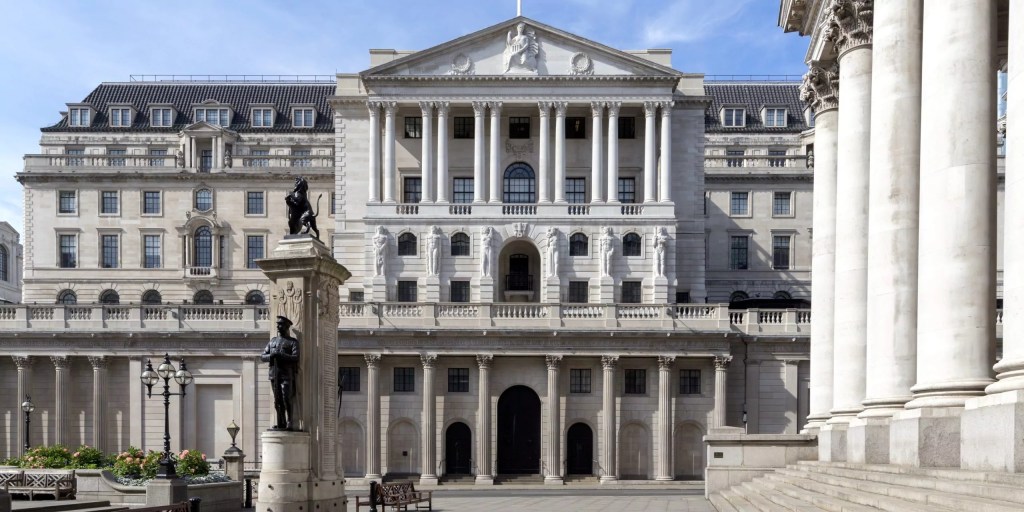
Interest rates are typically set by central banks as part of their monetary policy to achieve specific economic objectives. Central banks use interest rates as a tool to control inflation, stabilize the currency, and support economic growth. By adjusting interest rates, central banks can influence borrowing and spending behavior, which in turn impacts overall economic activity.
How Interest Rates Influence Economic Activity
Policy
For instance, when central banks lower interest rates, borrowing becomes cheaper, leading to increased spending and investment in the economy. This can stimulate economic growth and job creation. On the other hand, raising interest rates can slow down borrowing and spending, which helps to control inflation and prevent the economy from overheating. Overall, the management of interest rates through monetary policy plays a crucial role in shaping the economic landscape and influencing market dynamics.
Financial Markets and Employment
Your job is directly impacted by the movements of the financial markets. As companies seek financing to grow their businesses and invest in new initiatives, they create job opportunities that contribute to the overall economy. The availability of corporate financing through the financial markets plays a crucial role in job creation and employment growth.
Job Creation Through Corporate Financing
The issuance of stocks and bonds in the financial markets allows companies to raise capital to expand operations, develop new products, and hire more employees. This process of corporate financing directly impacts job creation across various sectors of the economy. By accessing the financial markets, companies can fuel their growth strategies and increase their workforce, leading to improved employment opportunities for individuals.
Effect of Market Performance on Consumer Confidence and Spending
Markets play a significant role in shaping consumer confidence and spending patterns. When the financial markets are performing well, with rising stock prices and strong economic indicators, consumers tend to feel more optimistic about the economy. This optimism translates into increased spending on goods and services, as consumers are more willing to make discretionary purchases and investments.
Effect of Market Performance on Consumer Confidence and Spending
Spending habits are closely linked to market performance, as consumers’ perception of the economy heavily influences their purchasing decisions. A positive trend in the financial markets can boost consumer confidence, leading to higher levels of consumption and overall economic activity. On the other hand, market downturns or instability may cause consumers to pull back on spending, impacting businesses and the broader economy.
The Role of Financial Markets in Price Stability
Influence on Inflation and Deflation
Inflation and deflation are two key economic indicators that directly impact price stability. Financial markets play a crucial role in influencing these trends. Inflation occurs when there is a sustained increase in the general price level of goods and services in an economy. This can be influenced by various factors such as demand and supply dynamics, consumer spending, and monetary policies set by central banks.
The Impact of Commodities Trading and Futures Markets
An important aspect of financial markets in maintaining price stability is the role of commodities trading and futures markets. These markets allow producers and consumers to hedge against price fluctuations in necessary commodities such as oil, wheat, and metals. By providing a platform for buying and selling contracts for future delivery of these goods at predetermined prices, commodities and futures markets help in stabilizing prices and reducing uncertainty in the market.
Another way commodities trading and futures markets impact price stability is by providing valuable information on supply and demand dynamics. Price movements in these markets reflect changing perceptions of market conditions, which can signal potential shifts in inflation or deflationary pressures. This information is crucial for policymakers and businesses to make informed decisions and adapt to changing market conditions.
Global Financial Markets and International Trade
Many aspects of the global economy are interconnected through financial markets, which serve as the backbone of international trade and investment. These markets facilitate the buying and selling of financial assets such as stocks, bonds, currencies, and commodities. They play a crucial role in determining the allocation of resources, influencing interest rates, and shaping economic development worldwide. Financial markets link investors with entities seeking capital, enabling businesses to grow, innovate, and expand beyond domestic borders.
Foreign Exchange Markets and Currency Valuation
One of the key components of global financial markets is the foreign exchange market, where currencies are traded. This market is important for determining exchange rates, which impact the cost of goods and services in international trade. Currency valuation is influenced by various factors such as interest rates, inflation, political stability, and market speculation. Fluctuations in exchange rates can have significant effects on businesses engaged in cross-border trade, affecting their competitiveness and profitability.
Cross-Border Investments and Economic Integration
Markets for cross-border investments play a vital role in promoting economic integration among countries. Foreign direct investment (FDI) and portfolio investments facilitate the flow of capital across borders, allowing businesses to access new markets and resources. Economic integration through cross-border investments can lead to increased efficiency, productivity, and specialization, benefiting both the investing countries and the host economies. Additionally, it fosters technology transfer, knowledge sharing, and cultural exchange, contributing to global economic growth and stability.
Financial markets serve as the gateway for investors to participate in cross-border investments, diversifying portfolios and mitigating risks associated with domestic markets. They provide the infrastructure and mechanisms for capital flows between countries, fostering economic interconnectedness and interdependence. As globalization continues to shape the world economy, the role of financial markets in facilitating cross-border investments will become increasingly significant in driving economic growth and development on a global scale.
Risks and Regulations
Systemic Risks and Financial Crises
One of the key aspects of the financial market’s impact on the economy is the presence of systemic risks, which can lead to financial crises. Systemic risks are risks that have the potential to destabilize the entire financial system, impacting not just individual institutions but the economy as a whole. These risks can arise from interconnectedness between financial institutions, asset price bubbles, or excessive leverage within the system.
The Role of Regulatory Bodies and Financial Oversight
One of the crucial factors in mitigating systemic risks and preventing financial crises is the role of regulatory bodies and financial oversight. Regulatory bodies such as the Securities and Exchange Commission (SEC) and the Federal Reserve play a key role in overseeing the financial markets, setting standards, and enforcing regulations to ensure the stability and integrity of the financial system. Through various regulations and supervisory measures, these bodies aim to promote transparency, fairness, and stability in the financial markets.
Financial oversight is vital in monitoring the activities of financial institutions, detecting potential risks, and taking necessary actions to prevent systemic failures. Regulatory bodies also play a vital role in enforcing compliance with laws and regulations, investigating misconduct, and imposing penalties when necessary to maintain the credibility and stability of the financial markets.
To wrap up
As a reminder, the financial market plays a crucial role in the economy by providing a platform for the buying and selling of financial instruments. The market helps allocate resources efficiently, facilitates capital formation, and influences various economic indicators such as interest rates, inflation, and unemployment. Additionally, the financial market impacts consumer spending, business investments, and overall economic growth.
In summarization, a well-functioning financial market is vital for a healthy economy. Policies and regulations that ensure transparency, stability, and fairness in the financial markets are key to maintaining confidence and trust in the system. Understanding the relationship between the financial market and the economy is important for policymakers, investors, and the general public in order to make informed decisions and promote sustainable economic growth.
FAQ
Q: What is the financial market?
A: The financial market is a broad term used to describe a marketplace where buyers and sellers participate in the trade of assets such as stocks, bonds, currencies, and derivatives.
Q: How does the financial market impact the economy?
A: The financial market plays a crucial role in the economy by facilitating the allocation of capital, influencing interest rates, affecting consumer spending, and impacting overall economic growth.
Q: What are the main ways in which the financial market impacts the economy?
A: The financial market impacts the economy through mechanisms such as providing liquidity, determining asset prices, influencing investment decisions, and transmitting economic signals.
Q: How do changes in the financial market affect businesses?
A: Changes in the financial market can impact businesses through factors such as access to capital, cost of borrowing, stock prices, and investor confidence, all of which can affect business operations and decision-making.
Q: How can individuals protect themselves from the impact of financial market fluctuations?
A: Individuals can protect themselves from the impact of financial market fluctuations by diversifying their investment portfolios, conducting thorough research before making investment decisions, seeking advice from financial professionals, and maintaining a long-term perspective on their financial goals.
This is not investment advice!
