



Many pioneers paved the way for the dawn of television, but who were the visionaries behind the inception of the very first TV show? Delving into the annals of history, we uncover the remarkable individuals who brought the magic of television into our homes for the first time, shaping the future of entertainment and communication as we know it.
Key Takeaways:
- Philo Farnsworth and Vladimir Zworykin: Are considered the trailblazing creators behind the very first TV show.
- Philo Farnsworth: Invented the first fully electronic television system.
- Vladimir Zworykin: Worked on the cathode ray tube technology that would become a key component of television sets.
- Competition and Collaboration: Farnsworth and Zworykin were in a race to develop television technology, leading to patents, disputes, and eventual collaboration.
- Legacy: The pioneering work of Farnsworth and Zworykin laid the foundation for the development of television as we know it today.
The Dawn of Television
The Early Experimentation Years
For many, the first television show that appeared on screens marked the beginning of a new era in entertainment. However, the road to this groundbreaking moment was paved with extensive experimentation and innovation. In the early 1920s, inventors and visionaries such as John Logie Baird and Philo Farnsworth were among the trailblazers who contributed to the development of television technology. Their work laid the foundation for what would eventually become the television shows we know today.
As these early pioneers tinkered with cathode ray tubes and scanning discs, they were driven by a vision of bringing moving images and sound directly into people’s homes. The challenges they faced were immense, from designing cameras and receivers to figuring out how to transmit signals over the airwaves. Despite the obstacles, their determination and ingenuity ultimately led to the birth of television as we now know it.
By the late 1920s, experimental broadcasts were taking place, marking a significant step towards the realization of regular television programming. These early broadcasts were limited in scope and reach, but they captured the imagination of the public and set the stage for the future of television. The experimentation and innovation during these formative years laid the groundwork for the television revolution that would soon follow.
The First TV Broadcasts
With the groundwork laid by early television pioneers, the stage was set for the very first TV broadcasts to take place. One of the most iconic moments in television history occurred on April 7, 1927, when Philo Farnsworth successfully transmitted the first fully electronic television image. This historic event marked a turning point in the development of television technology and paved the way for further advancements in broadcasting.
Plus, in 1930, the BBC began regular television broadcasts in the United Kingdom, solidifying television as a viable medium for entertainment and news dissemination. These early broadcasts featured a mix of programming, including live performances, news updates, and educational content. The excitement and potential of television as a new form of mass communication were palpable, sparking a wave of innovation and creativity in the industry.
John Logie Baird: The Scottish Inventor
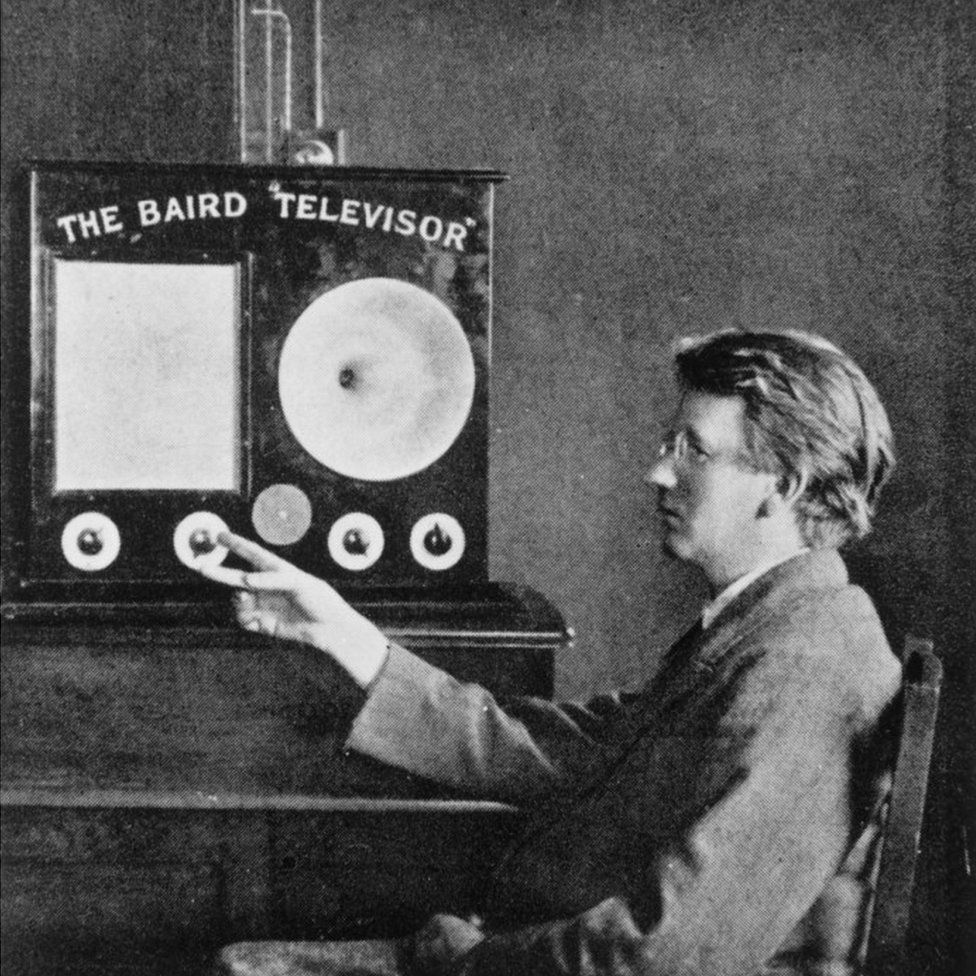
One Television’s trailblazing legend, Norman Lear: 1922-2023… who played a pivotal role in the early development of television technology was John Logie Baird. A Scottish engineer and inventor, Baird is credited with creating the world’s first working television system.
Early Life and Education
The life of John Logie Baird began in Helensburgh, Scotland, in 1888. Baird showed an early interest in technology and innovation, which led him to pursue studies in electrical engineering at the University of Glasgow. Despite facing financial constraints, Baird’s passion for experimentation and his drive to innovate eventually led him to make groundbreaking discoveries in the field of telecommunications.
Mechanical television, the precursor to modern television technology, was the result of Baird’s tireless efforts and relentless pursuit of his vision. Through his experiments, Baird was able to transmit moving images using mechanical methods, marking a significant milestone in the history of television technology.
The Development of Mechanical Television
Mechanical television relied on the scanning of images through a spinning disc with a series of holes that captured light and dark elements of the scene. Baird’s ingenuity and determination led to the successful demonstration of the world’s first working television system in 1925. This historic achievement paved the way for the future development of electronic television systems that we use today.
Scottish engineer John Logie Baird’s contributions to the field of television technology were truly revolutionary, earning him a well-deserved place in history as one of the trailblazing creators behind the very first TV shows. His legacy lives on as the foundation for the modern television systems that have become an integral part of our daily lives.
Philo Farnsworth: The American Genius
Childhood and Early Interests
American inventor and television pioneer Philo Farnsworth was born on August 19, 1906, in Beaver, Utah. Growing up on a farm, Farnsworth showed an early aptitude for innovation and mechanics. At the young age of 14, he had already designed and built an electric motor, showcasing his natural talent for engineering. These early experiences would shape his future and pave the way for his groundbreaking contributions to the world of technology.
Farnsworth’s interest in science and technology continued to flourish throughout his teenage years. He had a particular fascination with the concept of television, often sketching designs and pondering how images could be transmitted electronically. Little did he know that these early musings would lead to one of the most significant inventions of the 20th century – electronic television.
Despite facing financial struggles and personal hardships, Farnsworth’s determination never wavered. His unwavering passion for innovation and his relentless pursuit of knowledge drove him to pursue his dream of creating the world’s first electronic television system. These formative years laid the foundation for Farnsworth’s future achievements and solidified his place in history as a true pioneer of modern technology.
The Invention of Electronic Television
An ambitious young man with a vision, Farnsworth began working on his idea for electronic television in the early 1920s. By 1927, he had successfully transmitted the first image using his fully electronic television system. This groundbreaking achievement marked a major milestone in the history of communication and entertainment, revolutionizing the way people experienced visual media.
Farnsworth’s invention of electronic television was a game-changer, setting the stage for the development of modern television as we know it today. His pioneering work laid the groundwork for the television industry and paved the way for countless innovations in the decades to come. Farnsworth’s revolutionary contribution to the world of technology has left an indelible mark on society, shaping the way we connect, entertain, and inform ourselves through the power of television.
Television, as we know it today, would not exist without the visionary genius of Philo Farnsworth. His invention of electronic television revolutionized the world of media and entertainment, forever changing the way we consume visual content. Farnsworth’s legacy lives on as a testament to the power of innovation and the impact that a single individual can have on the course of history.
The First TV Shows
Many trailblazing creators played significant roles in the inception of the very first TV shows. One such prominent figure was Barbara Walters, a pioneering journalist who broke barriers and paved the way for women in television. Walters was known for her groundbreaking interviews and captivating storytelling, leaving a lasting impact on the world of broadcasting. Her legacy continues to inspire generations of journalists and TV personalities Barbara Walters, trailblazing TV icon, dies at 93 – ABC News.
Mechanical Television Demonstrations
On the journey to the first TV show, inventors and visionaries showcased the capabilities of mechanical television through public demonstrations. These demonstrations featured basic moving images transmitted through electromechanical means and laid the foundation for the development of early television technology. Pioneers like John Logie Baird and Charles Francis Jenkins played crucial roles in these early advancements, setting the stage for the future of television broadcasting.
Electronic Television Broadcasts
Shows started to transition from mechanical to electronic television broadcasts, marking a significant shift in the industry. The advent of electronic television brought higher picture quality and improved transmission methods, revolutionizing the way TV shows were produced and delivered to viewers. Innovations such as the electronic scanning system and the cathode-ray tube were instrumental in shaping the modern television landscape and setting the stage for the golden age of television.
Mechanical television paved the way for the electronic television broadcasts that would soon dominate the airwaves. The transition from mechanical to electronic technology marked a turning point in the history of television, leading to more sophisticated broadcasting methods and enhanced viewing experiences for audiences worldwide. These advancements laid the groundwork for the diverse and dynamic TV shows that would captivate viewers in the years to come.
The Collaboration and Competition
Once again, the world of television innovation was marked by both collaboration and competition as John Logie Baird and Philo Farnsworth, two of the early pioneers in television technology, crossed paths. While Baird had made significant advancements in mechanical television, Farnsworth was working on electronic television technology. Their meeting would prove to be a pivotal moment in the history of television.
Baird and Farnsworth’s Meeting
The meeting between Baird and Farnsworth took place in the early 1930s, with each inventor showcasing their respective television systems. Baird demonstrated his mechanical system, which relied on spinning disks to capture and display images, while Farnsworth showcased his electronic system, which used cathode ray tubes to transmit images. The encounter between these two visionaries highlighted the different approaches to television technology and would eventually shape the future of television broadcasting.
Despite their differences in technology, Baird and Farnsworth recognized each other’s contributions to the field of television. While Baird’s mechanical system had limitations, Farnsworth acknowledged the role Baird played in advancing television technology. This mutual respect between the two inventors paved the way for future collaborations and innovations in the television industry.
The Patent Wars
Baird and Farnsworth’s meeting was not without its tensions, as both inventors were vying for recognition and control over key patents related to television technology. The competition between the two became more intense as they fought for the rights to their respective inventions, leading to what would become known as the “Patent Wars” in the television industry.
A key turning point in the Patent Wars came when Farnsworth successfully defended his patents in a legal battle against RCA, one of the major players in the television industry at the time. This victory solidified Farnsworth’s place in television history and cemented his contributions to electronic television technology. The outcome of the Patent Wars would shape the future of television innovation and set the stage for the modern television industry as we know it today.
The Legacy of the Pioneers
Unlike the fast-paced and modern television shows of today, the very first TV show creators were true pioneers in the industry. They laid the foundation for what would become a cultural phenomenon that would span generations. Shows like ‘I Love Lucy’ and ‘The Milton Berle Show’ paved the way for the future of television entertainment. These shows are still revered today, and studying them can provide a valuable insight into the evolution of entertainment in the mid-20th century. For more information on the most influential classic shows from TV’s ‘Golden Age,’ click here.
Impact on the Entertainment Industry
With their groundbreaking concepts and innovative storytelling techniques, the pioneers of the first TV shows left an indelible mark on the entertainment industry. Their ability to captivate audiences and push the boundaries of what was possible on the small screen revolutionized the way we consume media. These early creators set a standard of excellence that continues to inspire generations of storytellers to this day. The influence of their work can be seen in everything from sitcoms to dramas, shaping the very fabric of modern television.
Recognition and Awards
One of the most significant legacies left by the pioneers of the first TV shows is their lasting impact on the awards landscape. Over the years, many of these groundbreaking creators have been recognized with prestigious accolades such as Emmys and Peabody Awards. Their contributions to the art of television have not gone unnoticed, and their names are etched in the annals of entertainment history. By pushing the boundaries of creativity and storytelling, these pioneers paved the way for future generations to strive for excellence in their craft.
To this day, the influence of these trailblazing creators can still be felt in the entertainment industry. Their pioneering spirit and dedication to their craft have helped shape the landscape of television as we know it. The next time you tune in to your favorite show, take a moment to appreciate the legacy of these early visionaries who paved the way for the golden age of television.
To wrap up
From above, the birth of television and the very first TV show would not have been possible without the trailblazing creators who pioneered this new form of entertainment. Through their dedication, creativity, and technical ingenuity, they laid the foundation for an industry that would go on to shape the way we consume media and connect with the world. Their pioneering efforts paved the way for countless others to follow in their footsteps and continue pushing the boundaries of what is possible in the world of television.
As we reflect on the origins of television and the groundbreaking work of its early creators, we are reminded of the power of human innovation and creativity. The very first TV show serves as a testament to what can be achieved when individuals are driven by a vision and a passion to bring something new and exciting into the world. It is thanks to these trailblazing creators that we have the vibrant and diverse television landscape that we enjoy today, with endless possibilities for storytelling, entertainment, and connection.
In essence, the trailblazing creators behind the very first TV show were visionaries who forever changed the landscape of entertainment. Their passion, dedication, and groundbreaking work set the stage for the television industry as we know it today. As we continue to benefit from their pioneering efforts, we must remember and celebrate the incredible impact they had on shaping the way we experience and engage with the world through the medium of television.
FAQ
Q: Who were the trailblazing creators behind the very first TV show?
A: The very first TV show was created by Philo Farnsworth, an American inventor, and Charles Francis Jenkins, an American inventor and early television pioneer.
Q: When was the very first TV show created?
A: The very first TV show was created on July 2, 1928, by Philo Farnsworth and Charles Francis Jenkins.
Q: What was the title of the very first TV show?
A: The title of the very first TV show was “The Queen’s Messenger”.
Q: What was the significance of the very first TV show in television history?
A: The creation of the very first TV show marked a significant milestone in television history, paving the way for the development of the television industry as we know it today.
Q: How did the very first TV show impact future television programming?
A: The very first TV show set the stage for future television programming, demonstrating the potential of the medium and inspiring generations of creators to continue pushing the boundaries of what could be achieved on television.
