



With the rapid advancements in technology, digital live streaming programs are poised to undergo revolutionary changes in the coming years. From enhanced interactive features to seamless integration with virtual reality, the future of digital streaming is exciting and promising. Explore how these innovations will shape your viewing experience and transform the way you engage with live content.
The Rise of Digital Live Streaming
Current State of the Industry
For a long time now, digital live streaming has been making waves in the entertainment industry. In today’s world, it has become an important part of our daily lives, helping us consume content in real-time on various platforms. From live sports events to music concerts, and even educational webinars, the options are limitless. The convenience and accessibility of digital live streaming have revolutionized how we engage with content, blurring the lines between traditional media and online platforms.
To understand the current state of the digital live streaming industry, you must recognize its rapid growth and widespread adoption. With the advancements in technology, especially in terms of internet speed and mobile devices, more and more people are turning to digital live streaming as their go-to source of entertainment. The industry is continuously evolving, with content creators, platforms, and viewers driving innovation and pushing the boundaries of what is possible.
Another aspect to consider is the impact of digital live streaming on traditional media channels. As more viewers shift towards online streaming platforms, traditional broadcasters are faced with the challenge of adapting to this new landscape. The competition is fierce, with both established players and new entrants vying for a share of the market. The future of digital live streaming looks promising, with endless possibilities for growth and development.
Key Players and Their Impact
Players in the digital live streaming industry play a crucial role in shaping the future of entertainment. From major platforms like Netflix, Amazon Prime Video, and YouTube to emerging players like Twitch and TikTok, each platform offers a unique experience for viewers. These key players invest heavily in content creation, technological advancements, and user experience to stay ahead of the competition. Your choices as a viewer are vast and varied, catering to every preference and interest.
Another pivotal factor is the influence of social media platforms on digital live streaming. With the rise of platforms like Instagram, Facebook, and Twitter, content creators have found new ways to engage with their audience and attract followers. The integration of live streaming features on these platforms has further fueled the growth of digital live streaming, making it more interactive and engaging. As a viewer, you have the power to interact with your favorite creators in real-time and be a part of the experience like never before.
Technological Advancements
If you are interested in exploring the future of digital live streaming programs, you should keep an eye on the latest technological advancements. According to Live Streaming Industry Trends in 2024: What To Keep …, the industry is expected to witness significant growth in the coming years, driven by innovations in technology.
5G Networks and Low Latency
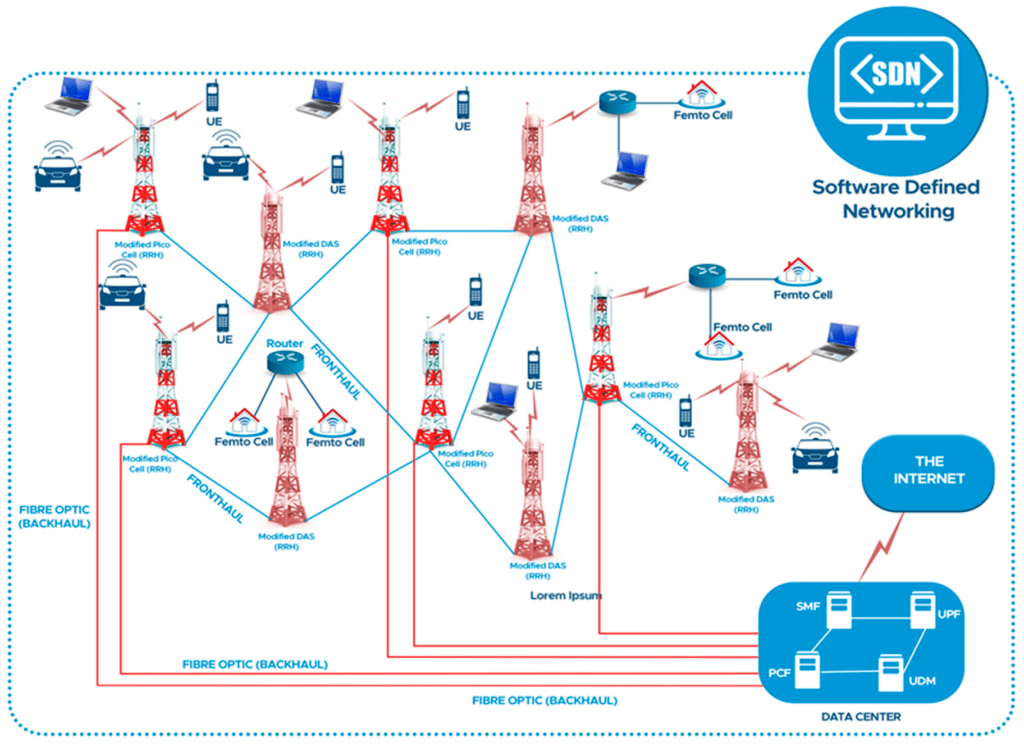
One of the key technological advancements that will shape the future of digital live streaming is the widespread adoption of 5G networks. With faster speeds and lower latency, 5G will enable smoother streaming experiences, higher quality video content, and improved interactivity for viewers. This means that you can expect to enjoy seamless live streams with reduced buffering and higher resolution, making the viewing experience more immersive and engaging.
Artificial Intelligence in Streaming
One exciting development in the digital live streaming landscape is the integration of artificial intelligence (AI) technologies. AI algorithms can analyze viewer data, preferences, and engagement patterns to personalize content recommendations and improve the overall streaming experience. By leveraging AI, streaming platforms can offer tailored content suggestions, optimized video delivery, and enhanced search functionality, ultimately enhancing viewer satisfaction and retention.
Technological advancements in AI are revolutionizing the way content is created, delivered, and consumed in the digital live streaming space. By incorporating AI-driven tools and solutions, streaming platforms can streamline workflows, automate content moderation, and enhance video analytics, leading to more efficient operations and better content curation for viewers.
Changing Consumer Behavior
Shift to Mobile-First Consumption
Your viewing habits have been evolving rapidly, with a noticeable shift towards consuming digital live streaming content on your mobile devices. As smartphones and tablets become more powerful and ubiquitous, you find it increasingly convenient to access your favorite live streams on the go. This trend towards mobile-first consumption is expected to continue growing in the coming years as technology advances and data plans become more affordable.
Consumption on mobile devices offers a level of flexibility that traditional platforms cannot match. Whether you’re watching a live concert, a gaming tournament, or a cooking show, the ability to tune in from anywhere at any time enhances your viewing experience. In response to this trend, content creators and streaming platforms are likely to optimize their formats and delivery methods to cater specifically to mobile users, ensuring a seamless and engaging viewing experience.
Furthermore, the shift towards mobile-first consumption is shaping the way content is produced and presented. Expect to see more vertical videos, interactive elements, and shorter, snackable content designed to capture and retain your attention in a mobile-centric world.
Increased Demand for Interactive Experiences
MobileFirst consumption has also fueled a growing demand for interactive experiences in digital live streaming programs. As a viewer, you no longer want to passively watch a broadcast; you want to actively participate and engage with the content in real time. Features like live chat, polls, and interactive games have become important components of many live streams, enhancing the overall viewer experience.
Interactive features not only keep you more engaged but also create a sense of community and connection with other viewers and the content creators. The ability to interact with hosts, guests, or fellow audience members in real time adds a social element to live streaming, making the experience more dynamic and immersive.
In the future, expect to see even more innovative and interactive features integrated into digital live streaming programs. From virtual reality experiences to personalized content recommendations based on your interactions, the possibilities for creating engaging and interactive content are virtually limitless.
Personalization and Niche Content
To cater to the changing preferences of viewers like you, content creators and streaming platforms are increasingly focusing on personalization and niche content. Instead of offering one-size-fits-all programming, they are leveraging data and analytics to deliver tailored recommendations and specialized content that align with your interests and viewing habits.
Personalized content not only enhances your viewing experience by ensuring that you discover content that resonates with you but also helps content creators and platforms build a loyal and dedicated audience. By catering to specific niches and interests, they can cultivate a community of like-minded viewers who are more likely to engage with the content and support the creators.
In the future, personalized and niche content will continue to play a significant role in the evolution of digital live streaming programs. Whether you’re a fan of obscure indie bands, niche cooking shows, or hyper-focused gaming content, you can expect to find a wealth of tailored programming that speaks directly to your passions and preferences.
Monetization Strategies
Not every digital live streaming program is created equal when it comes to monetization. As discussed in The Future of Streaming Technology: Key Trends and Innovations, it is crucial to have a clear strategy in place to generate revenue from your content. Let’s explore some evolving monetization strategies that you can consider for your digital live streaming programs.
Subscription-Based Models
Any digital live streaming platform looking to secure stable and recurring revenue should consider subscription-based models. Offering exclusive content, early access, or an ad-free experience can entice viewers to subscribe to your service. The key is to provide value that makes users willing to pay for a premium experience. Additionally, leveraging tiered subscription plans can cater to a wider range of audiences with varying needs and budgets. This flexibility can help you attract and retain subscribers in the long run.
Advertising and Sponsorships

Strategies incorporating advertising and sponsorships can also be lucrative for digital live streaming programs. By partnering with brands for product placements, sponsored segments, or pre-roll/post-roll ads, you can generate revenue while promoting relevant products or services to your audience. This symbiotic relationship can be beneficial for both parties, as brands gain exposure to your viewership while you monetize your content. Moreover, integrating native advertising in a seamless and non-intrusive way can enhance the viewing experience and increase engagement.
This avenue of monetization requires a delicate balance to ensure that ads do not overwhelm the viewer or detract from the content. Implementing targeted advertising based on user preferences and behavior can improve relevance and effectiveness. Engaging with sponsors that align with your brand and audience can also enhance the overall viewer experience while maximizing revenue opportunities. By striking the right balance between ads and content, you can create a sustainable monetization strategy that benefits both your viewers and your bottom line.
E-commerce and Affiliate Marketing
The integration of e-commerce and affiliate marketing into your digital live streaming programs can open up additional revenue streams. By showcasing products or services during your streams and providing direct purchase links, you can capitalize on impulse buying behaviors and drive sales. Collaborating with affiliate partners can also earn you commissions for referred sales, creating a mutually beneficial arrangement. Moreover, incorporating affiliate links in your content can provide added value to your viewers by recommending products or services that align with their interests.
The key to success in e-commerce and affiliate marketing lies in authenticity and transparency. Ensuring that your recommendations are genuine and align with your brand’s values fosters trust with your audience and increases the likelihood of conversion. By establishing yourself as a reliable source of information and products, you can cultivate a loyal following that actively engages with your recommendations. Leveraging the power of e-commerce and affiliate marketing can not only boost your revenue but also enhance the overall viewer experience by offering valuable and relevant offerings.
To fully capitalize on the potential of e-commerce and affiliate marketing, it is crucial to continuously evaluate and optimize your strategies. Monitoring performance metrics, experimenting with different approaches, and adapting to changing consumer trends can help you stay ahead of the curve and maximize revenue opportunities. By staying proactive and engaging with your audience to understand their preferences and behaviors, you can tailor your e-commerce and affiliate marketing efforts to deliver the most value to both your viewers and your bottom line.
Challenges and Opportunities
To The Evolution of Live Streaming: A Decade of Transformation in Digital Entertainment, the landscape of digital live streaming programs is continuously evolving, presenting both challenges and opportunities for content creators and consumers alike. As the industry progresses, several key areas will shape the future of live streaming, including content creation and curation, copyright and intellectual property issues, and global accessibility and localization.
Content Creation and Curation
Creation is at the heart of any successful live streaming program. The challenge lies in consistently producing engaging and innovative content that captivates your audience. With the rise of user-generated content and influencer marketing, the competition is fierce. To stand out, you must not only create high-quality streams but also curate a unique and authentic experience that resonates with your viewers.
Furthermore, as technology advances, the opportunities for creative expression are endless. From interactive live polls to immersive virtual reality experiences, there are countless ways to enhance your live streams and provide an interactive and engaging experience for your audience.
Ultimately, content creators who can adapt to new trends and technologies while staying true to their brand and voice will thrive in the ever-changing landscape of digital live streaming.
Copyright and Intellectual Property Issues
With the increasing popularity of live streaming, navigating copyright and intellectual property issues has become a critical concern. Protecting your content and respecting the rights of others is imperative to avoid potential legal issues. As a content creator, you must be aware of copyright laws and ensure that you have the necessary permissions to use any third-party content in your streams.
Plus, the rapid pace of digital innovation has made it challenging to keep up with evolving copyright regulations. As new platforms and technologies emerge, the legal landscape surrounding live streaming is constantly evolving. It’s crucial to stay informed and seek legal advice to ensure that you are in compliance with relevant laws and regulations.
Furthermore, while copyright issues present challenges, they also open up opportunities for collaboration and licensing agreements. By proactively addressing copyright concerns and establishing clear guidelines, you can foster partnerships and leverage third-party content to enhance your live streaming content.
Global Accessibility and Localization
The global accessibility and localization of live streaming programs present both challenges and opportunities in reaching a diverse audience worldwide. With the proliferation of streaming platforms and the diversity of viewers’ preferences, content creators must consider how to tailor their content to different cultural and linguistic backgrounds.
The key to success lies in understanding your audience and adapting your content to resonate with viewers from various regions. By offering subtitles, multilingual support, or localized content, you can enhance the accessibility of your live streams and attract a more diverse audience.
Moreover, embracing global accessibility not only expands your reach but also fosters a sense of community and inclusivity among your viewers. By breaking down language barriers and catering to diverse audiences, you can create a more engaging and connected live streaming experience for everyone involved.
Emerging Trends
Social Commerce and Influencer Streaming

All around you, the landscape of digital live streaming is evolving. For Social Commerce and Influencer Streaming, the future holds even more exciting possibilities. Imagine watching your favorite influencer not only showcasing products but also being able to purchase them instantly through integrated e-commerce features. This seamless shopping experience will revolutionize how brands and creators interact with their audiences, blurring the lines between content and commerce.
For businesses, collaborating with influencers for live streaming can significantly boost sales and brand engagement. The authenticity and real-time nature of live content allow for genuine connections to be formed with potential customers. Moreover, influencers will have greater opportunities to monetize their streams through affiliate marketing and sponsored content, creating a sustainable revenue stream.
For consumers, the interactive nature of social commerce live streams offers a personalized shopping experience. Being able to ask questions, see product demonstrations in real-time, and receive instant feedback from influencers can enhance the overall shopping experience. This trend is set to redefine traditional e-commerce practices and shape the future of online shopping.
Esports and Competitive Gaming
All around you, the landscape of digital live streaming is evolving. Social trends are indicating a significant shift towards Esports and Competitive Gaming. Esports tournaments and gaming competitions are garnering massive audiences worldwide, with live streaming platforms becoming the go-to destination for gaming enthusiasts looking to watch their favorite players in action.
Another aspect of the rise of Esports and Competitive Gaming is the blurring of lines between casual gaming and professional esports. With more amateurs turning to live streaming to showcase their skills, the competitive gaming scene is becoming more inclusive and diverse. This trend not only provides a platform for aspiring gamers to shine but also fuels the growth of the esports industry as a whole.
For gaming communities, live streaming offers a sense of camaraderie and connection. Viewers can interact with players in real-time, cheer for their favorite teams, and engage with fellow fans. The immersive and interactive nature of esports live streams creates a dynamic viewing experience that is reshaping the landscape of competitive gaming.
Virtual Events and Conferences
All around you, the landscape of digital live streaming is evolving. Conferences are being reimagined through Virtual Events and Conferences. As technology advances, the concept of attending conferences and events from the comfort of your own home is becoming increasingly popular. Virtual reality experiences and interactive live streams transport attendees to virtual venues, where they can network, attend talks, and participate in workshops.
Another significant benefit of Virtual Events and Conferences is increased accessibility. Attendees from all over the world can join without the constraints of travel or accommodation expenses. This opens up new opportunities for knowledge sharing and collaboration on a global scale, breaking down geographical barriers and fostering a more connected community of professionals.
Influencer participation in virtual events is also on the rise, with influencers serving as moderators, speakers, or hosts for online conferences. Their presence adds a unique perspective and draws in a larger audience, enhancing the overall experience for participants. As virtual events continue to evolve, we can expect to see innovative formats and engaging content that push the boundaries of traditional conferences.
To wrap up
As a reminder, predicting the future of digital live streaming programs involves a mix of technological advancements, consumer behavior shifts, and content creator innovations. With the rise of artificial intelligence, virtual reality, and interactive features, the digital live streaming landscape is poised for rapid evolution in the coming years. As a viewer, you can expect more personalized and immersive experiences tailored to your preferences and interests. Content creators will leverage new technologies to deliver engaging and interactive live streams that blur the lines between reality and virtual worlds.
Furthermore, the growing popularity of live streaming platforms and the increasing number of content creators entering the space will lead to a diversification of content genres and formats. From gaming and entertainment to educational and business-related content, there will be a live stream for every interest and niche. As a consumer, you will have access to a vast array of live streaming options, giving you the power to choose what, when, and how you want to engage with live content.
Hence, the future of digital live streaming programs is bright and full of exciting possibilities. As technology continues to advance and consumer preferences evolve, the live streaming experience will only become more immersive, interactive, and engaging. Whether you are a content creator looking to connect with your audience in new ways or a viewer seeking unique and personalized content, the world of digital live streaming is set to revolutionize how we consume and interact with live content in the years to come.
Q: What are some key trends expected in digital live streaming programs in the coming years?
A: One key trend expected is the increased use of interactive features such as live polling, Q&A sessions, and chat functionalities to engage viewers in real-time.
Q: How will the quality of digital live streaming programs evolve in the future?
A: The quality of digital live streaming programs is expected to improve with advances in technology, leading to higher resolution videos, better sound quality, and smoother streaming experiences.
Q: What impact will artificial intelligence have on the future of digital live streaming programs?
A: Artificial intelligence is expected to play a significant role in personalizing content recommendations, enhancing video quality in real-time, and optimizing streaming performance for viewers.
Q: How will the monetization strategies for digital live streaming programs change in the coming years?
A: Monetization strategies are likely to evolve with the introduction of subscription-based models, pay-per-view options, targeted advertising, and sponsorship opportunities for content creators and streaming platforms.
Q: What challenges may digital live streaming programs face as they continue to evolve?
A: Some challenges that digital live streaming programs may face include concerns over data privacy and security, ensuring seamless cross-platform compatibility, managing network capacity for large-scale events, and navigating regulatory issues related to online content distribution.
