


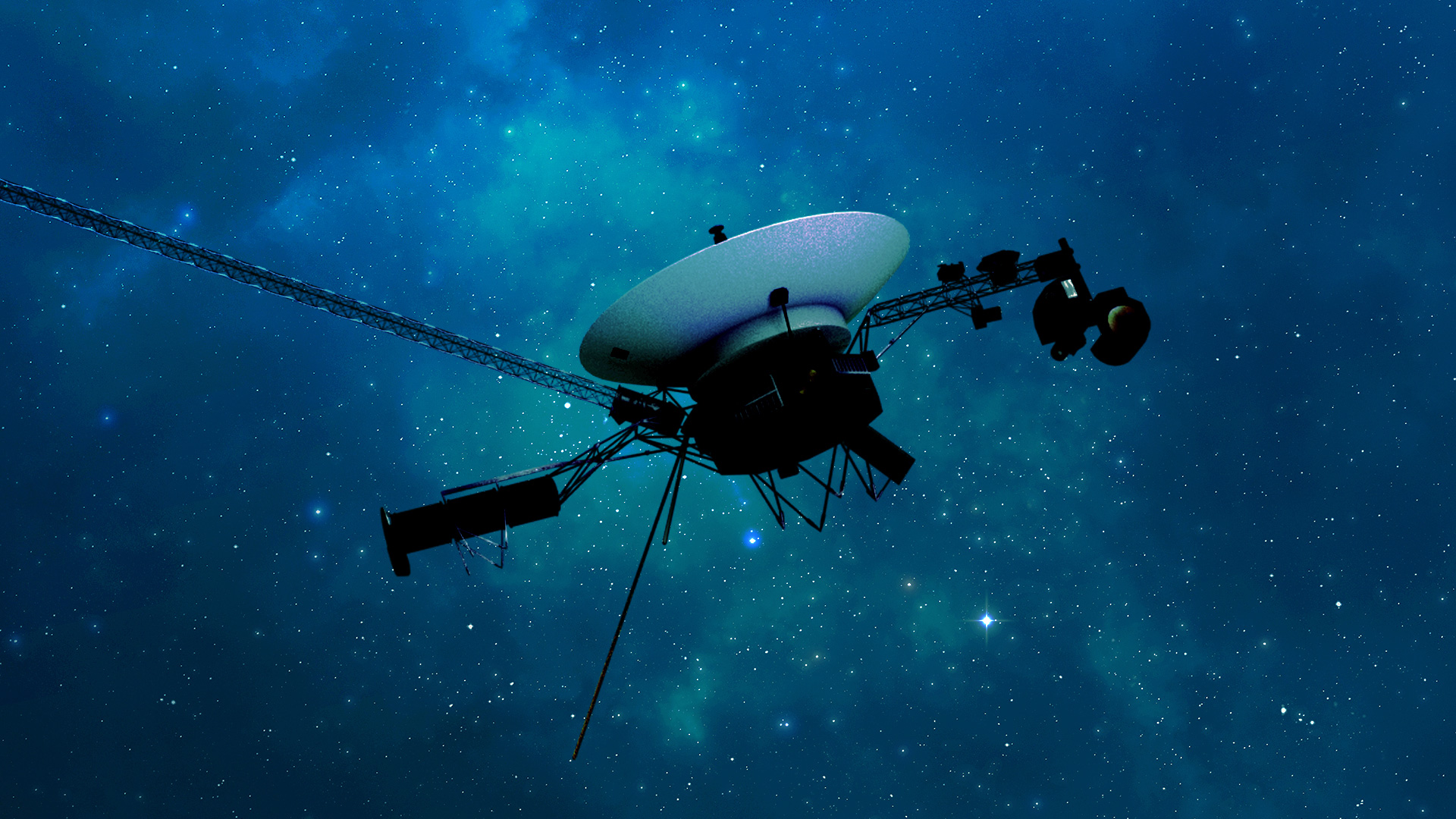
Many are fascinated by the incredible journey of Voyager 1, the farthest human-made object in space. Launched by NASA in 1977, Voyager 1 has traveled over 14 billion miles away from Earth, reaching the outer edges of our solar system. Despite its immense distance, Voyager 1 continues to astound scientists and space enthusiasts alike by still being able to communicate with Earth. How is this possible and what technology enables this communication to happen? Let’s examine into the extraordinary capabilities that allow Voyager 1 to bridge the vast expanse between itself and our home planet.
Key Takeaways:
- Voyager 1 Can Still Communicate: Despite being over 14 billion miles away from Earth, Voyager 1 can still send information back to our planet.
- Communication Delay: Due to the extreme distance, it takes over 20 hours for signals to reach Voyager 1 and for responses to come back to Earth.
- Deep Space Network: NASA’s Deep Space Network, a system of antennas around the globe, is used to communicate with Voyager 1 and other distant spacecraft.
- Low Transmission Rates: Voyager 1 transmits data at a rate of about 160 bits per second, which is much slower than a typical modern internet connection.
- Power Limitations: Voyager 1’s power supply is slowly decreasing, and by 2025, it is expected to no longer have enough power to operate its scientific instruments.
Voyager 1’s Historic Journey
Key Milestones in Voyager 1’s Voyage
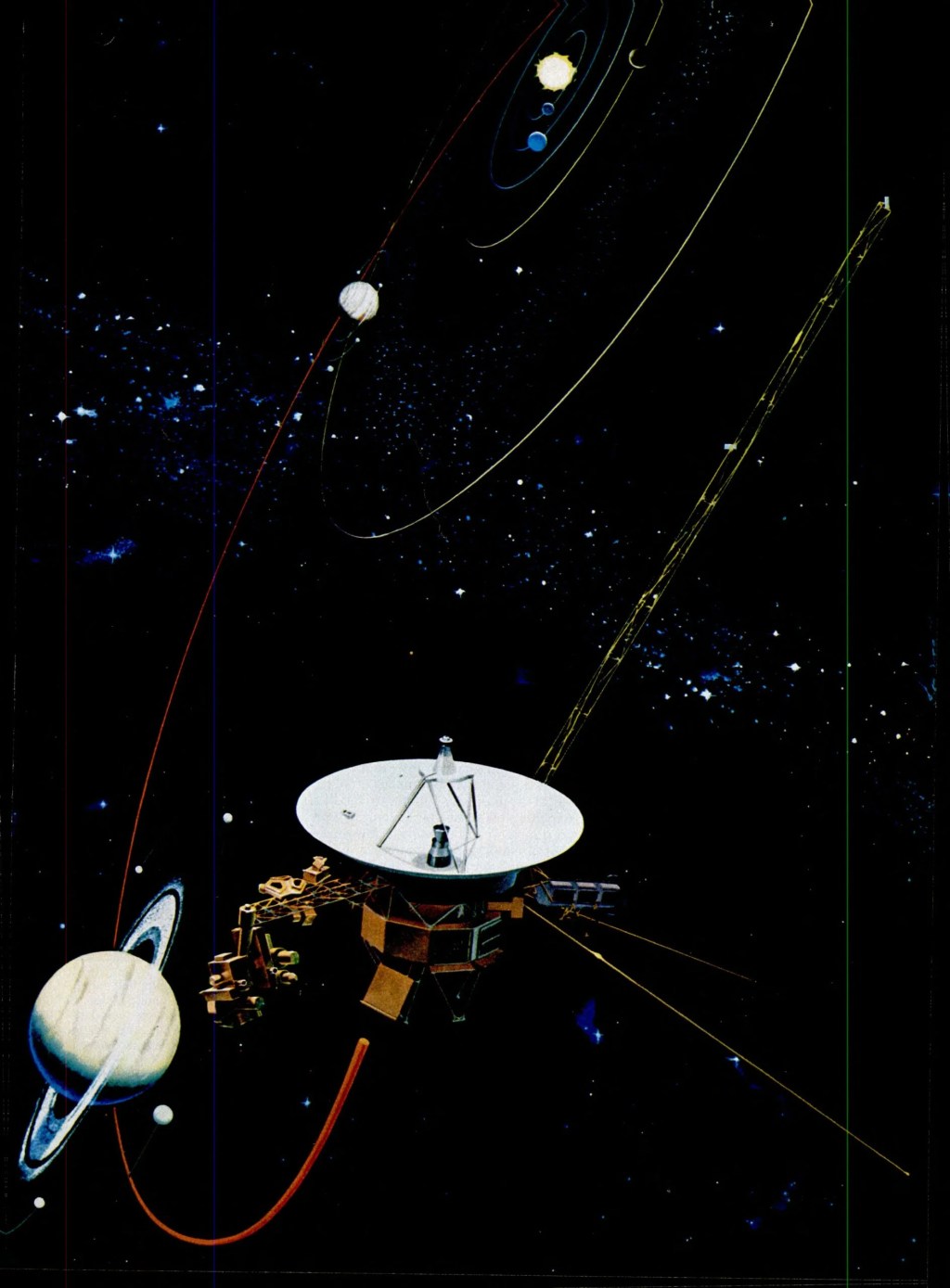
To understand the incredible feat of Voyager 1’s journey, it is vital to recognize some key milestones achieved by the spacecraft. Launched by NASA on September 5, 1977, Voyager 1 launched on a mission to explore the outer planets of our solar system. Its closest approach to Jupiter occurred in March 1979, where it captured stunning images of the gas giant and its moons. Voyager 1 then made its way to Saturn, providing unprecedented views of the planet’s rings and moons in November 1980.
Current Position in Interstellar Space
Interstellar space is the vast, empty expanse beyond our solar system where the influence of our sun diminishes. Voyager 1 crossed into interstellar space in August 2012, becoming the first human-made object to achieve this remarkable milestone. Despite its immense distance from Earth – over 14 billion miles away – the spacecraft continues to communicate with mission control through the Deep Space Network, a network of radio antennas used to track and communicate with missions in space.
As Voyager 1 ventures further into interstellar space, it provides valuable data and insights into this uncharted territory. Scientists rely on the spacecraft’s instruments to study the conditions and environment of interstellar space, expanding our understanding of the cosmos beyond our solar neighborhood.
Communication Systems on Voyager 1
The Deep Space Network (DSN)
Any successful communication between Voyager 1 and Earth is made possible by the Deep Space Network (DSN), a network of antennas and communication facilities spread across the globe. The DSN plays a crucial role in managing and tracking spacecraft like Voyager 1 as they venture into deep space. It consists of three ground stations located in California, Spain, and Australia, strategically positioned to ensure continuous coverage of spacecraft in space.
Onboard Communications Hardware
An important component of Voyager 1’s ability to communicate with Earth is its onboard communications hardware. This includes radio transmitters and receivers that send and receive signals to and from the Earth. These systems have been designed to withstand the harsh conditions of space and the extreme distances that Voyager 1 has traveled since its launch in 1977.
A key feature of this hardware is its redundancy – Voyager 1 carries backup systems to ensure that communication can be maintained even if a primary component fails. This redundancy has been critical in allowing Voyager 1 to continue transmitting valuable data back to Earth, even after decades of operation in the depths of space.
Challenges of Communicating over Vast Distances
Signal Delay and Propagation
Communicating with spacecraft like Voyager 1, now over 14 billion miles away from Earth, poses a unique set of challenges. One of the primary obstacles faced is the extensive signal delay due to the vast distances involved. Signals sent from Earth to Voyager 1 take over 21 hours to reach the spacecraft, and vice versa, which greatly impacts real-time communication.
Impact of Interstellar Medium
Communicating over such vast distances also requires consideration of the interstellar medium – the matter that exists between stars in space. This medium can affect how signals propagate, potentially causing distortions or disruptions in communications between Earth and Voyager 1.
For instance, the interstellar medium can scatter radio signals, leading to signal degradation by the time they reach their destination. Engineers and scientists have to account for these interstellar challenges when designing communication systems for deep space missions like Voyager 1.
Techniques to Maintain Contact with Voyager 1
Despite being over 14 billion miles away from Earth, Voyager 1 can still communicate with us thanks to various techniques and advancements in technology. NASA has implemented a range of methods to ensure a reliable connection with the spacecraft, allowing us to continue receiving valuable data and signals from the far reaches of our solar system.
Upgrading Ground Facilities
Voyager 1 continues to communicate with Earth through NASA’s Deep Space Network, a system of antennas located in California, Spain, and Australia. Regular upgrades and maintenance of these ground facilities are crucial to ensuring efficient communication with the spacecraft. By constantly improving the capabilities of these antennas and receivers, NASA can maintain a strong and clear link with Voyager 1, despite its vast distance from us.
Signal Processing Improvements
With advancements in signal processing technologies, NASA has been able to enhance the efficiency and accuracy of data transmission between Voyager 1 and Earth. By optimizing signal processing algorithms and systems, scientists can effectively extract valuable information from the weak signals received from the spacecraft. These improvements have significantly increased the reliability and speed of data transfer, allowing us to continue our exploration of the outer edges of our solar system with Voyager 1.
Techniques such as upgrading ground facilities and signal processing improvements are vital in maintaining contact with Voyager 1 and ensuring a continuous flow of data and signals from the spacecraft. NASA’s dedication to advancing communication technologies has enabled us to stay connected with one of the most distant man-made objects in space, further expanding our understanding of the universe.
The Lifespan of Voyager 1’s Systems
Now, as Voyager 1 continues its journey through interstellar space, there have been concerns about its ability to communicate with Earth. There was a time when Voyager 1 stopped sending usable data to Earth, as noted in discussions such as Voyager 1 stops sending usable data to Earth. However, despite these challenges, the spacecraft has demonstrated resilience in its systems.
Power Sources and Limitations
One of the critical elements of Voyager 1’s longevity is its power source. The spacecraft is powered by three radioisotope thermoelectric generators (RTGs) that convert the heat from the natural decay of plutonium-238 into electricity. These RTGs have provided a stable power source for decades, allowing Voyager 1 to operate its instruments and communication systems efficiently. However, over time, the power output of the RTGs decreases, which could eventually limit the spacecraft’s ability to communicate with Earth.
Anticipated Duration of Communication Capabilities
Voyager 1’s communication capabilities are expected to diminish over time as the power from its RTGs declines. Despite this, engineers and scientists involved in the mission have estimated that the spacecraft may be able to communicate with Earth until the mid-2020s. As Voyager 1 moves further away from the Sun, the amount of available sunlight for its solar panels decreases, affecting its power generation capacity. Additionally, the distance between Voyager 1 and Earth continues to increase, leading to weaker signal strength and longer communication delays.
The anticipated duration of Voyager 1’s communication capabilities hinges on various factors, including the health of its systems, the distance from Earth, and the availability of power. As the spacecraft ventures deeper into the galaxy, it will face increasing challenges in maintaining a stable connection with mission control. Despite these obstacles, Voyager 1 has defied expectations by continuing to beam back valuable data about the interstellar medium, providing insights into the uncharted territories beyond our solar system.
Scientific Contributions from Voyager 1’s Data
Your curiosity about how Voyager 1 and 2 can still communicate with NASA despite their immense distance is valid. The communication link between the Voyager spacecraft and NASA is a remarkable feat of engineering and technology. NASA utilizes a network of giant radio antennas, known as the Deep Space Network (DSN), strategically positioned around the globe. These antennas work in unison to track and communicate with distant spacecraft like Voyager, ensuring a reliable flow of data back to Earth. If you are interested in learning more about this fascinating process, you can check out How can Voyager 1 and 2 still communicate with NASA despite their distance? What does NASA do in order to receive and send signals?
Findings from Interstellar Space
Any data transmitted by Voyager 1 from interstellar space has offered invaluable insights into the conditions and environment beyond our solar system. The spacecraft has detected various phenomena, including cosmic rays originating from outside the solar system, helping scientists better understand the complex interstellar environment. Voyager 1’s data has also provided crucial information about the heliosphere boundary, marking the transition between the influence of the Sun and the interstellar medium.
Contribution to Understanding Outer Solar System
To investigate deeper into the understanding of the outer solar system, Voyager 1’s data has been instrumental in unveiling the mysteries of distant planets and their moons. The spacecraft conducted close flybys of Jupiter and Saturn, capturing detailed images and data that revolutionized our knowledge of these giant gas planets and their intricate ring systems. Voyager 1’s observations of moons like Titan have revealed fascinating details about their compositions and surface features, expanding our understanding of the diverse worlds that exist in our celestial neighborhood.
Space exploration continues to benefit from the trailblazing missions of Voyager 1, paving the way for future endeavors to explore the outer reaches of our solar system and beyond.
The Legacy and Future of Deep Space Exploration
Lessons Learned from the Voyager Program
For decades, the Voyager program has been a cornerstone of deep space exploration, providing invaluable lessons for future missions. One of the key takeaways from Voyager 1’s remarkable journey is the importance of robust and reliable communication systems. Despite traveling over 14 billion miles away from Earth, Voyager 1 can still communicate with mission control, showcasing the significance of resilient technology in the extreme conditions of interstellar space.
Current and Future Missions Inspired by Voyager 1
Inspired by Voyager 1’s unprecedented achievements, current and future missions continue to push the boundaries of space exploration. Missions like the New Horizons spacecraft, which flew by Pluto and is now exploring the Kuiper Belt, draw inspiration from Voyager’s groundbreaking discoveries. These missions demonstrate our ongoing commitment to exploring the vast unknowns of the universe, fueled by the legacy of Voyager 1.
Space agencies around the world are planning ambitious missions to explore distant worlds and uncover the secrets of our universe. From Mars rovers to upcoming missions to Jupiter’s moons, the spirit of exploration ignited by Voyager 1 continues to drive humanity’s quest to unravel the mysteries of the cosmos.
Conclusion
From above, we can conclude that Voyager 1 can still communicate with Earth despite its vast distance from our planet. Thanks to its advanced technology and the Deep Space Network, NASA is able to receive valuable data and signals from Voyager 1. Although the spacecraft is currently over 14 billion miles away, its communications systems are still functioning well enough to transmit information back to Earth.
As Voyager 1 continues its journey into interstellar space, NASA scientists will continue to receive data from the spacecraft, providing valuable insights into the outer reaches of our solar system. Despite the immense distance, Voyager 1 serves as a remarkable example of human ingenuity and technological achievement, demonstrating our ability to reach out and touch the stars.
FAQ
Q: Can Voyager 1 Still Communicate With Earth Despite Its Distance?
A: Yes, Voyager 1 can still communicate with Earth despite its distance. It uses radio signals to send data back to Earth, which are received by the Deep Space Network (DSN) of antennas.
Q: How far away is Voyager 1 from Earth?
A: As of [current date], Voyager 1 is over 14 billion miles away from Earth. It is the farthest human-made object from our planet.
Q: What technology allows Voyager 1 to communicate over such vast distances?
A: Voyager 1’s communication is made possible by its use of radioisotope thermoelectric generators (RTGs) to power its systems and instruments, as well as its high-gain antenna for sending data back to Earth.
Q: How long does it take for a signal from Voyager 1 to reach Earth?
A: Due to the vast distance, it takes approximately 21 hours for a signal from Voyager 1 to reach Earth. This means that any commands sent to the spacecraft require patience and meticulous planning.
Q: What kind of data does Voyager 1 still send back to Earth?
A: Voyager 1 continues to send back valuable scientific data about the space environment beyond our solar system. This includes measurements of cosmic rays, magnetic fields, and plasma density, among other things.
