


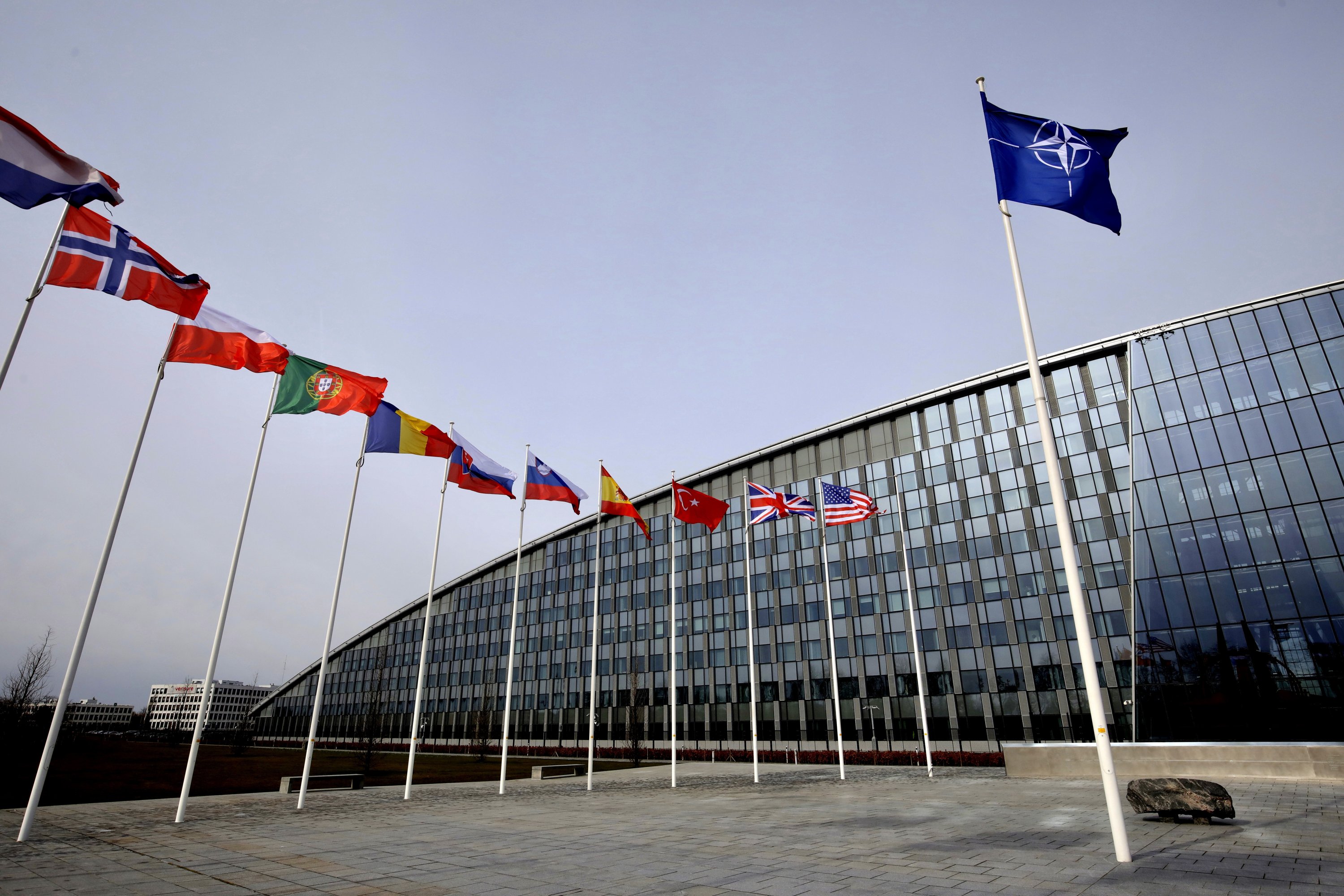
Space Operations have become imperative for modern military capacities, and NATO is at the forefront of leveraging space for defense strategies. However, with the increasing militarization and commercialization of space, current challenges facing NATO. In this article, we will investigate into the crucial obstacles NATO encounters in space operations, from satellite vulnerabilities to navigating international space laws. By understanding these complexities, you will grasp the intricate landscape NATO operates in and the critical decisions it must make to secure its space assets effectively.
Key Takeaways:
- Increased competition: NATO faces challenges from increased competition in space operations from other countries and non-state actors.
- Space debris: The proliferation of space debris poses a significant challenge for NATO’s space operations, affecting satellites and space assets.
- Cyber threats: NATO must address cybersecurity threats to its space operations, including potential attacks on its satellite systems.
- Coordination and interoperability: Ensuring coordination and interoperability among NATO members and partner countries is crucial for effective space operations.
- Sustainability and resilience: NATO needs to focus on ensuring the sustainability and resilience of its space assets to withstand potential threats and disruptions.
Historical Context of NATO’s Space Operations
The early beginnings of NATO’s space presence trace back to the Cold War era, where the alliance recognized the strategic importance of space assets for intelligence, communication, and surveillance. The United States, as a key member of NATO, led the way in developing and deploying satellites for military purposes, which laid the foundation for NATO’s future space endeavors.
Early beginnings of NATO’s space presence
Early on, NATO understood the critical role that space-based assets could play in enhancing situational awareness and strategic decision-making. This awareness led to the integration of satellite systems into NATO’s operations, enabling real-time monitoring of potential threats and enhancing communication capabilities among member states.
Evolution of space-based assets in NATO’s military strategy
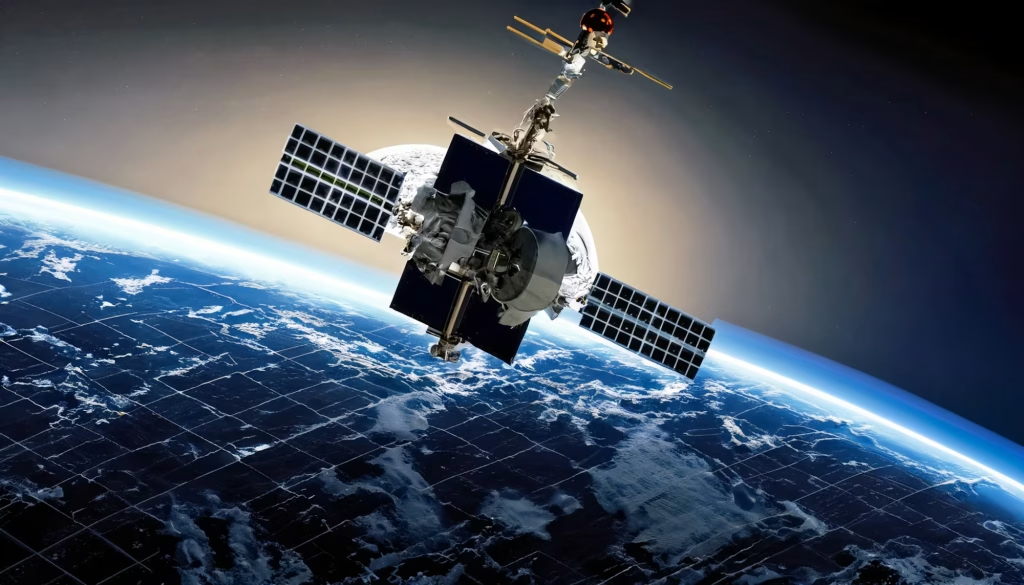
Space-based assets have become integral to NATO’s military strategy, providing crucial support for navigation, communication, missile defense, and intelligence gathering. For instance, satellite communication ensures secure and reliable transmissions in remote areas where traditional communication networks may be compromised. Additionally, satellite imagery aids in reconnaissance missions, enabling accurate and timely intelligence gathering for military operations.
Current Challenges in Space Operations
Saturation of the Orbital Environment
One of the current challenges facing NATO in space operations is the saturation of the orbital environment. To meet the increasing demands for space-based capabilities, there has been a significant influx of satellites and space debris in Earth’s orbit. This congestion poses a threat to the sustainability and security of space operations.
Increased Risk of Space Debris
With the proliferation of satellites and other spacecraft, there is an increased risk of collisions with space debris. The presence of defunct satellites, spent rocket stages, and fragments from previous space missions create a hazardous environment for operational spacecraft. As a result, the risk of damage to satellites and space missions due to collisions has escalated.
For instance, the collision between an operational Iridium satellite and a defunct Russian satellite in 2009 created thousands of pieces of debris, further exacerbating the issue of space debris. The growing amount of space debris not only poses a danger to existing space assets but also complicates future space missions and endeavors.
Growing Threat of Cyber Attacks on Space-Based Systems
Current space-based systems are increasingly vulnerable to cyber attacks, presenting a growing threat to NATO’s space operations. As satellites and other space assets rely heavily on interconnected networks and ground control systems, they are susceptible to cyber intrusions that could disrupt or disable critical space capabilities.
Systems that control satellite communications, navigation, and reconnaissance functions are **prime targets** for malicious actors seeking to undermine NATO’s space operations. The potential consequences of successful cyber attacks on these systems could range from temporary disruptions to permanent damage, highlighting the critical need for robust cybersecurity measures in space operations.
Technological Challenges

Developing resilient and adaptable space-based systems
Unlike traditional military systems, space-based systems face unique challenges due to the harsh environment of space. Developing resilient and adaptable space-based systems is crucial for NATO to ensure continuous and effective operations in this domain. Any disruption to these systems can have far-reaching consequences on NATO’s ability to gather intelligence, communicate, and navigate.
Ensuring interoperability among NATO member states
With the reliance on space-based assets growing among NATO member states, ensuring interoperability has become a critical challenge. Adaptable space systems among different nations need to work seamlessly together to support collective defense and operations. Any discrepancies in technology, protocols, or communication can hinder the efficiency and effectiveness of NATO missions.
Developing common standards and protocols for space operations is vital to ensure that all member states can effectively collaborate in a space environment. Additionally, establishing strong communication channels and sharing information on space operations can enhance NATO’s overall capabilities in this domain.
Addressing the gap in space-based surveillance and reconnaissance capabilities
With the increasing proliferation of anti-satellite weapons and other advanced technologies, the need for enhanced surveillance and reconnaissance capabilities in space has never been more critical. NATO must address this gap to effectively monitor potential threats, protect its assets, and ensure the security of its member states. Any vulnerabilities in this area could leave NATO susceptible to attacks and intelligence gaps.
Strategic Challenges
Defining NATO’s role in space operations
Defining NATO’s role in space operations is crucial for ensuring a cohesive and coordinated approach among member states. As space becomes increasingly contested and congested, clarifying NATO’s responsibilities in this domain is important to effectively leverage space capabilities for the alliance’s defense and security.
Balancing national interests with collective defense goals
For NATO, balancing national interests with collective defense goals in space operations presents a significant challenge. Each member state has its own priorities and objectives in space activities, which can sometimes conflict with the alliance’s overarching security objectives. Navigating these divergent interests while fostering cooperation is important to maintain unity and effectiveness within NATO.
Strategically, finding common ground among member states to align individual space strategies with the collective defense goals is imperative. This requires a delicate balance between respecting national interests and ensuring the security and resilience of NATO’s space assets collectively.
Managing the risk of escalation in space
To effectively address the challenge of managing the risk of escalation in space, NATO must develop clear protocols and mechanisms to de-escalate potential conflicts. Enhancing situational awareness and promoting transparency among member states are key to preventing misunderstandings that could lead to unintended hostilities in space.
Goals: By establishing robust communication channels and mechanisms for crisis management, NATO can mitigate the risk of escalation in space operations. Cooperation with other space-faring nations and organizations is also important to promote responsible behavior and prevent any destabilizing actions in space.
Operational Challenges
Integrating space-based assets into NATO’s operational planning
The integration of space-based assets into NATO’s operational planning poses a significant challenge due to the complex nature of space operations. Not only do space assets provide critical capabilities for communication, intelligence, surveillance, and reconnaissance, but they also play a crucial role in missile warning and tracking. Not integrating these assets effectively into operational planning could result in gaps in situational awareness and hinder NATO’s ability to respond effectively to threats.
Enhancing situational awareness in space
Integrating space-based assets for enhancing situational awareness is crucial for NATO to detect, identify, and track objects in space. With the increasing congestion and competition in space, awareness of activities in orbit is necessary to prevent collisions, interference, or attacks on critical satellites. NATO must improve its ability to monitor the space environment and respond swiftly to any potential threats.
Developing tactics, techniques, and procedures for space operations
One of the key challenges facing NATO is the development of tactics, techniques, and procedures for space operations. As space becomes more contested and congested, NATO must establish clear guidelines for operating in this domain, including rules of engagement, coordination with allies and partners, and rapid response protocols. One critical aspect is ensuring interoperability among member states and enhancing coordination to effectively utilize space assets for collective defense and security.
International Cooperation and Governance
After NATO’s Role in Space becoming more prominent, international cooperation and governance are crucial aspects for the alliance in its space operations. Strengthening partnerships with non-NATO space-faring nations is imperative for enhancing collective security and interoperability. Cooperation with countries like Australia, Japan, and others can provide valuable contributions to NATO’s space capabilities through information sharing, technology exchange, and joint activities. This collaboration can also help in addressing common challenges such as space debris mitigation and satellite collision avoidance.
Strengthening partnerships with non-NATO space-faring nations

With the growing number of countries venturing into space exploration and utilization, forging alliances beyond NATO borders is imperative. Collaborating with non-NATO space-faring nations can lead to a more comprehensive and inclusive approach to space governance, ensuring that activities in space are conducted in a safe and secure manner.
Addressing the lack of international norms and regulations in space
With the proliferation of space activities by both state and non-state actors, there is a pressing need to establish clear international norms and regulations governing space operations. Lack of a universally accepted framework poses challenges such as the potential weaponization of space, interference with satellite communications, and the risk of space debris collisions.
Understanding the current gaps in international space law and fostering dialogue among nations are imperative steps in addressing the regulatory vacuum. By working towards consensus on norms regarding responsible behavior in space, countries can mitigate risks and prevent conflicts that could escalate into space warfare.
Promoting transparency and confidence-building measures in space
Transparency and confidence-building measures play a critical role in enhancing predictability and trust among space-faring nations. Sharing information on space activities, including satellite trajectories, conjunction warnings, and intentions behind maneuvers, can reduce misunderstandings and miscalculations that may lead to tensions or conflicts in space.
A multilateral approach to promoting transparency through initiatives like the United Nations Committee on the Peaceful Uses of Outer Space and bilateral agreements can foster cooperation and mutual understanding. By building trust and reducing uncertainties, confidence-building measures contribute to a more stable and secure space environment for all stakeholders.
Summing up
Now that you are more informed about the current challenges facing NATO in space operations, it is evident that the rapid advancements in space technology have brought about increased competition and threats in this domain. NATO faces obstacles such as the militarization of space, potential conflicts over satellite frequencies, and the need for improved collaboration among its member states and partners.
As NATO works towards addressing these challenges and strengthening its space capabilities, it will be vital for member countries to invest in innovative technologies, establish clear protocols for space operations, and foster international cooperation to ensure the security and sustainability of space activities. By understanding and adapting to the evolving space environment, NATO can better protect its interests and strengthen its deterrence capabilities in this crucial domain.
Q: What are the current challenges facing NATO in space operations?
A: The current challenges facing NATO in space operations include increasing competition and militarization of space, the need for improved space situational awareness, potential vulnerabilities of space assets to cyber attacks, the presence of space debris, and the need for coordination among NATO members in space activities.
Q: How does increasing competition and militarization of space impact NATO’s operations?
A: The increasing competition and militarization of space lead to a crowded and contested space environment, making it challenging for NATO to ensure the security and stability of its space assets. This competition also raises concerns about the risk of conflicts escalating into space.
Q: Why is improved space situational awareness important for NATO?
A: Improved space situational awareness is crucial for NATO to accurately monitor and track objects in space, including potential threats such as anti-satellite weapons. This helps NATO to better protect its space assets and respond effectively to any hostile actions in space.
Q: How are space assets vulnerable to cyber attacks, and what are the implications for NATO?
A: Space assets are vulnerable to cyber attacks that can disrupt or disable satellite communication and navigation systems, posing a significant threat to NATO’s operations. Such attacks can compromise NATO’s ability to gather intelligence, conduct surveillance, and communicate with forces on the ground.
Q: Why is coordination among NATO members important for space activities?
A: Coordination among NATO members is imperative to avoid duplication of efforts, enhance interoperability, and share the burden of developing and maintaining space capabilities. By working together, NATO members can maximize the effectiveness of their space operations and strengthen the alliance’s overall security.
