


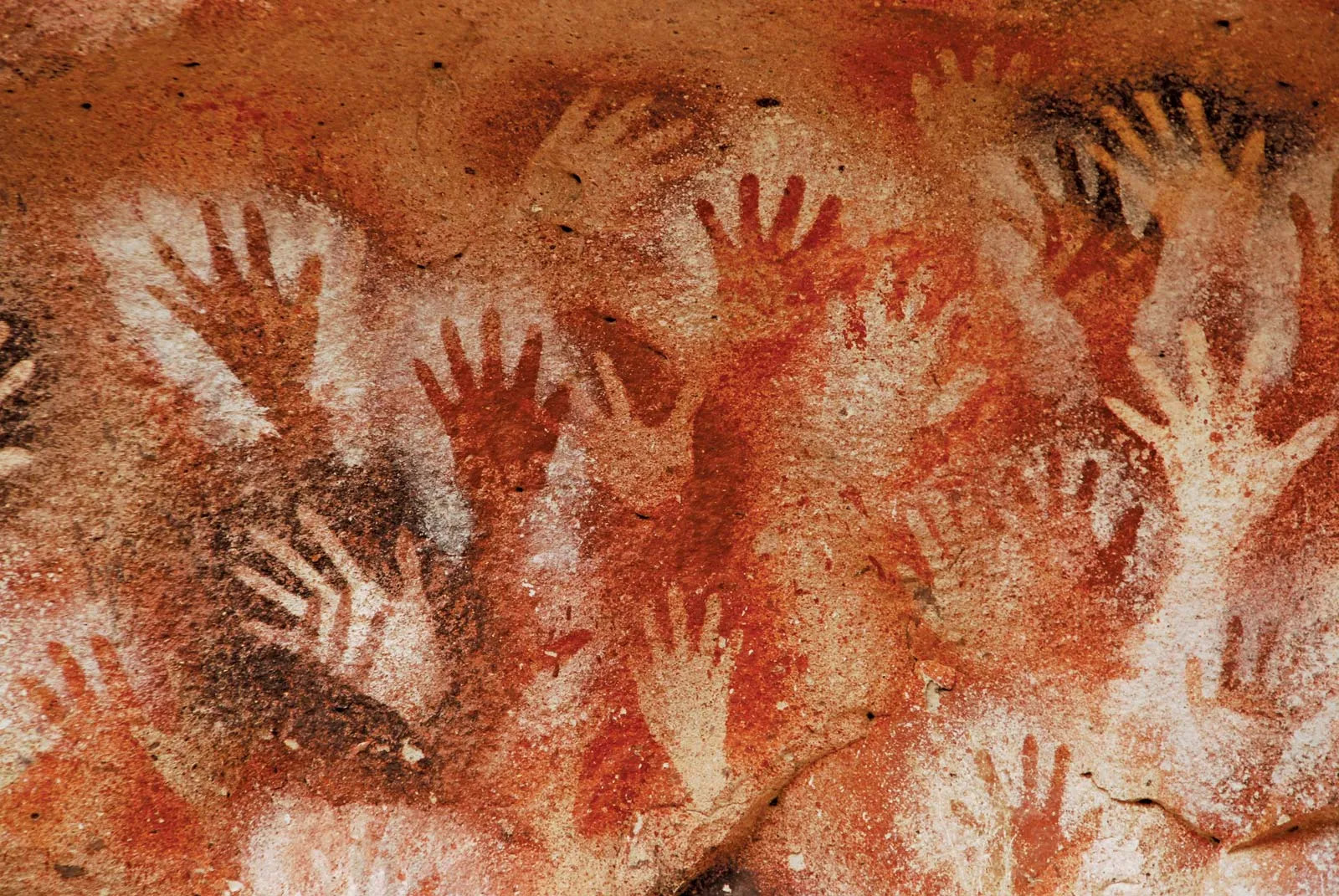
You may be curious to know when exactly early humans began creating rock art. The oldest known example of this ancient form of expression dates back to around 40,000 years ago, but some experts believe it could be even older. These intriguing discoveries offer a glimpse into the artistic abilities and cultural practices of our prehistoric ancestors.
Key Takeaways:
- Rock art dates back tens of thousands of years: Early humans started creating rock art around 40,000 years ago, making it one of the earliest forms of artistic expression.
- Locations of rock art: Rock art can be found all over the world, from Europe to Africa to Australia, indicating its significance in various ancient cultures.
- Purposes of rock art: Rock art served different purposes, including storytelling, religious or spiritual practices, communication, and recording of events such as hunting scenes.
- Techniques used in rock art: Early humans used various techniques to create rock art, such as painting, engraving, and carving, often using natural pigments like ochre.
- Understanding ancient societies: Studying rock art provides insights into the beliefs, daily life, and social structures of early human societies, helping us understand our ancestors better.
The Emergence of Rock Art
Defining Rock Art
Before we explore into the early evidence of rock art, it’s imperative to understand what exactly constitutes rock art. Rock art refers to any human-made markings on natural stone surfaces. These markings can range from simple engravings and carvings to elaborate paintings. Rock art can be found in various forms across the globe, providing insights into the artistic expression, cultural practices, and beliefs of early humans.
Rock art is a crucial form of archaeological evidence that helps us understand the social, cultural, and symbolic lives of our ancestors. By studying rock art, archaeologists can glean information about ancient societies, their rituals, beliefs, and interactions with the environment. The study of rock art offers a unique window into the past, allowing us to connect with the artistic expressions of early humans.
Despite the diversity in styles and forms, rock art shares a common thread of human creativity and expression. These ancient artworks serve as a testament to the enduring nature of the human spirit, transcending time and connecting us to our ancestors’ worldviews and experiences.
Early Evidence of Rock Art

Any discussion about the emergence of rock art must consider the earliest known examples of this ancient practice. The earliest evidence of rock art dates back tens of thousands of years, with some of the oldest known artworks found in caves across Europe. These early depictions often feature animals, human figures, and abstract symbols, showcasing the artistic abilities and cultural significance of our early ancestors.
An intriguing aspect of early rock art is its widespread presence across different continents. From the intricate cave paintings of Lascaux in France to the petroglyphs of Australia’s Kakadu National Park, early humans left their mark on stone surfaces around the world. This global dispersion of rock art highlights the universal human impulse to create, communicate, and express meaning through art.
Another fascinating aspect of early rock art is the techniques and materials used by our ancestors. Stone tools, mineral pigments, and natural dyes were commonly employed to create these intricate artworks, showcasing the resourcefulness and artistic sophistication of early humans. The preservation of these ancient masterpieces provides valuable insights into the creativity and ingenuity of our early ancestors.
The Upper Paleolithic Period
Climate Change and Human Migration
Some of the most significant rock art creations by early humans date back to the Upper Paleolithic Period, around 50,000 to 10,000 years ago. During this time, there were dramatic shifts in climate, with glacial periods causing colder temperatures and ice sheets to expand. These changes had a profound impact on early human populations, forcing them to adapt and migrate to new areas in search of food and shelter.
Any anthropologists believe that the rock art found in caves and rock shelters from this period served as more than just decorative expressions. They argue that these artworks were linked to beliefs in animism and shamanism, reflecting early humans’ spiritual practices. The migration patterns of these ancient peoples and the challenges they faced due to climate change likely influenced the themes and styles of their art.
As early humans roamed across different landscapes, their art might have served as a way to assert their connection to the environment and establish a sense of cultural identity. The depictions of animals, humans, and abstract symbols found in Upper Paleolithic rock art suggest a sophisticated form of communication and expression that transcended mere decoration.
Development of Symbolic Expression
Period. The Upper Paleolithic Period marked a crucial stage in the development of symbolic expression among early humans. This era saw a proliferation of intricate cave paintings, petroglyphs, and portable art objects that hinted at a complex symbolic language and cultural system. The widespread distribution of these artworks across different regions indicates a shared symbolic heritage among diverse human groups.
Another fascinating aspect of this period is the emergence of symbolic expression as a form of cultural transmission. Through their art, early humans could pass down knowledge, beliefs, and rituals to future generations, contributing to the continuity and evolution of human culture. The symbolic motifs and themes found in Upper Paleolithic rock art provide valuable insights into the minds of our ancestors and their creative capacities.
The Origins of Rock Art in Africa
Keep in mind that Africa is home to some of the earliest known rock art sites in the world. The continent boasts a rich history of rock art that dates back tens of thousands of years. These ancient artworks provide us with a glimpse into the lives and beliefs of early humans who inhabited Africa long ago.
Earliest Known Rock Art Sites
Africa is abundant with rock art sites that offer insight into the cultural practices of ancient civilizations. The oldest known rock art in Africa can be found in regions like Namibia and South Africa, with some paintings dating back over 20,000 years. The art forms vary from intricate rock engravings to vibrant paintings depicting animals, human figures, and geometric patterns. These sites serve as a testament to the creativity and artistic abilities of our early ancestors.
Symbolism and Storytelling in African Rock Art
African rock art is not merely decorative; it serves as a means of communication, ***symbolism***, and storytelling. The images depicted on rock surfaces often convey important messages about hunting practices, spiritual beliefs, and cultural traditions of the ancient societies. ***Some researchers believe that these artworks were used in rituals or ceremonies to ensure a successful hunt or to depict important creation narratives.*** The intricate details and the choice of subjects in the rock art reveal a deep connection to the natural world and a profound sense of spirituality among early African civilizations.
This form of rock art was not just a superficial representation but held deep ***symbolic*** meanings for the communities that created them. The art reflects the cultural significance of certain animals, plants, and symbols to these ancient societies. By studying African rock art, archaeologists and anthropologists can unravel the mysteries of the past and gain a better understanding of the cultural and spiritual practices of early humans.
The Spread of Rock Art Across Continents
Migration and Cultural Exchange
Not all rock art was created by the same group of people in different parts of the world. As early humans migrated across continents, they carried their artistic traditions with them, leading to the exchange of ideas and styles. This interaction between different cultures played a significant role in the spread of rock art.
Regional Styles and Themes
Regional styles and themes in rock art varied greatly depending on the location and cultural influences. Each group of early humans developed distinctive artistic expressions that were often influenced by the environment they inhabited and their belief systems.
Regional styles and themes in rock art were also shaped by the available materials in the area. For example, in regions with abundant red ochre, early humans used this pigment extensively in their rock art, creating vivid and colorful images on the rock surfaces.
To understand the diversity of rock art around the world, it is crucial to explore the regional styles and themes that emerged as early humans spread across continents. Each cultural group left behind a unique artistic legacy that provides valuable insights into ancient societies and their belief systems.
The Purpose of Rock Art
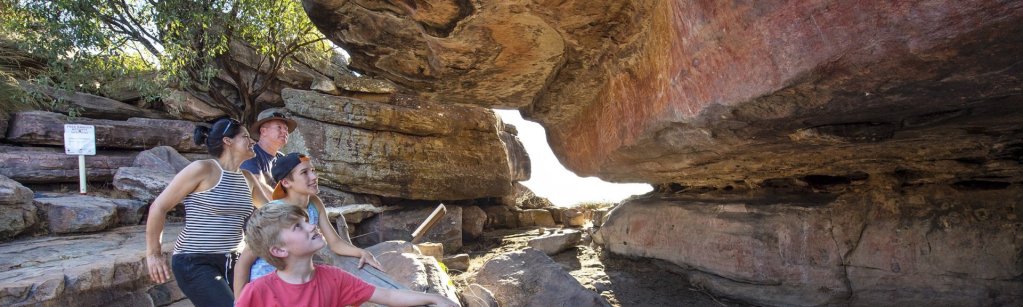
Many scholars and researchers have debated the reasons behind the creation of rock art by early humans. The purpose of rock art can be attributed to various factors, including spiritual and ritual significance, as well as communication and storytelling.
Spiritual and Ritual Significance
Significance in rock art can be linked to spiritual beliefs and rituals of early humans. These ancient artworks, found in caves and rock shelters, often depict scenes of hunting, dancing, or supernatural beings. It is believed that these images served as a way for early humans to connect with the spiritual realm, seek protection, or even communicate with ancestors. The act of creating these intricate artworks may have been a form of worship or a means to ensure successful hunts or bountiful harvests.
Early humans viewed these rock art creations as sacred, imbued with mystical powers that could influence their daily lives. The intricate details and symbolism in the art suggest a deep connection to spiritual beliefs and rituals, shaping the culture and identity of these ancient societies.
Communication and Storytelling
To early humans, rock art was not just a form of self-expression but also a mode of communication and storytelling. These ancient artworks could have served as visual aids in narrating important stories, passing down cultural traditions, or even recording historical events. The images etched on cave walls could convey warnings about dangerous animals, maps of hunting grounds, or genealogical information.
Through rock art, early humans were able to communicate complex ideas and narratives visually, transcending language barriers and preserving their cultural heritage for future generations. The ability to convey detailed information through images showcases the cognitive abilities and creativity of our ancestors.
Storytelling
In essence, the purpose of rock art goes beyond mere decoration; it is a window into the spiritual, social, and cognitive world of early humans. By examining these ancient artworks, you can unravel the mysteries of our past and gain insight into the beliefs, practices, and stories that shaped the lives of our ancestors. The artistry and symbolism in rock art serve as a testament to the rich cultural tapestry of humanity’s history.
Dating Rock Art
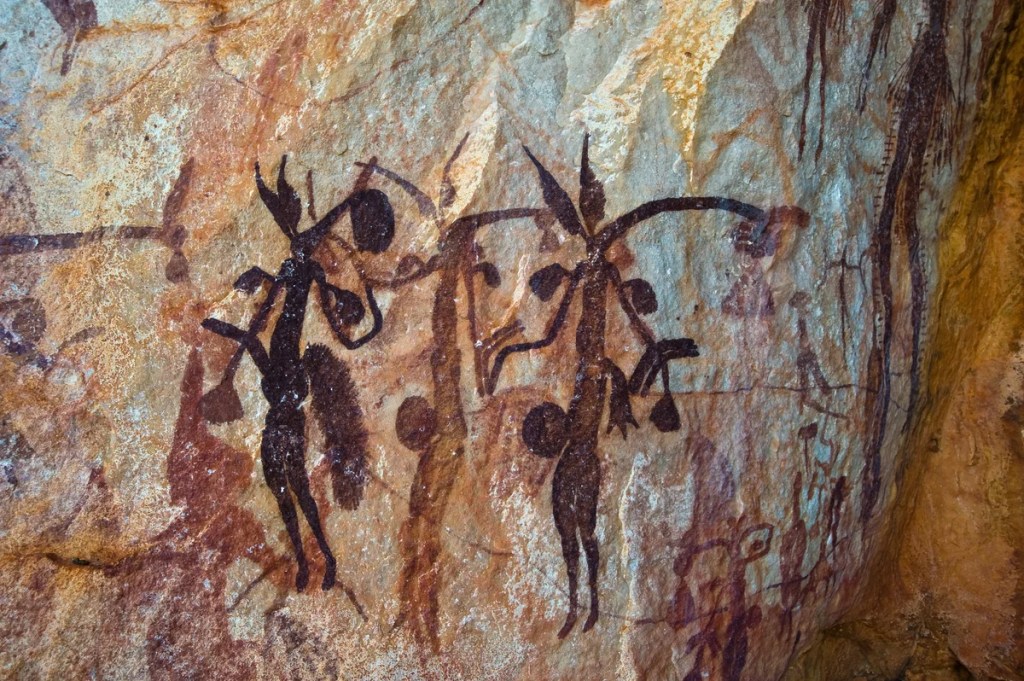
Radiocarbon Dating and Other Methods
To determine the age of rock art, archaeologists use various dating methods. Radiocarbon dating is one of the most common techniques employed. This method relies on measuring the decay of carbon isotopes in a sample, providing a date range for when the organic material was last alive. However, rock art itself often lacks organic material, making direct radiocarbon dating challenging. In these cases, archaeologists may opt for indirect dating methods by dating nearby materials such as charcoal from a hearth or sediment layers above or below the rock art.
Thermoluminescence dating is another technique used to date rock art, especially when it involves fired materials like ceramics. It measures the amount of light released from crystals in the sample when heated, indicating how long it has been since the material was last exposed to heat. Additionally, optically stimulated luminescence dating can determine when minerals in the rock art were last exposed to sunlight.
Another method is the study of weathering processes on the rock surface surrounding the art. By analyzing the build-up of mineral deposits or erosion patterns, archaeologists can estimate the relative age of the rock art. Combining multiple dating techniques can provide a more comprehensive understanding of when the rock art was created.
Challenges and Limitations of Dating Rock Art
One of the major challenges in dating rock art is the lack of organic material suitable for direct radiocarbon dating. Rock surfaces do not preserve organic remains well, making it difficult to obtain reliable dates. Additionally, some rock art may have been created over a long period, with different layers representing various time periods, complicating the dating process.
Radiocarbon dating can also be limited by contamination or the presence of younger carbon that can skew the results. Moreover, certain minerals used in rock art can absorb carbon from the environment, further complicating the dating process. Another challenge is that rock art conservation efforts can restrict sampling, limiting the available materials for dating.
In light of these challenges, archaeologists must carefully select suitable dating methods and consider the limitations of each technique when attempting to determine the age of rock art. While dating rock art presents unique obstacles, ongoing advancements in dating technologies and cross-disciplinary approaches continue to improve our understanding of the timeline of early human artistic expressions.
Summing up
Hence, it is fascinating to learn about the origins of rock art and the timeline of when early humans started creating these intricate designs. As you explore into the history of human creativity and expression, you can appreciate the ingenuity and artistic abilities of our ancestors. The evidence found in caves and rock shelters around the world provides a glimpse into the minds of early humans and their connection to the natural world.
By exploring the techniques and materials used by early humans to create rock art, you can gain a deeper understanding of their cultural practices and belief systems. The intricate patterns and symbols found in these ancient artworks reveal the rich tapestry of human history and the universal desire to communicate and express oneself through art. As you reflect on the significance of rock art in the development of human civilization, you can marvel at the creativity and innovation of our ancestors.
In the final account, the study of rock art offers valuable insights into the evolution of human cognition and creativity. By examining the intricate designs and motifs created by early humans, you can appreciate the deep-rooted connection between art, culture, and spirituality. As you ponder the mysteries of rock art and its role in shaping human history, you can’t help but feel a sense of wonder and awe at the timeless beauty and symbolism captured in these ancient artworks.
FAQ
Q: When did early humans start creating rock art?
A: Early humans started creating rock art as far back as 40,000 years ago.
Q: Why did early humans create rock art?
A: Early humans likely created rock art for various reasons, including religious or spiritual practices, communication within their community, and recording and preserving their culture and history.
Q: Where have some of the oldest examples of rock art been found?
A: Some of the oldest examples of rock art have been found in caves in Europe, such as the famous cave paintings in Lascaux, France, dating back over 17,000 years.
Q: What techniques did early humans use to create rock art?
A: Early humans used various techniques to create rock art, including painting, engraving, and carving into rock surfaces using tools like sticks, bones, and stones.
Q: What can we learn from studying early human rock art?
A: Studying early human rock art can help us understand their beliefs, lifestyles, and cultural practices, as well as provide insights into the development of human creativity and artistic expression.
