


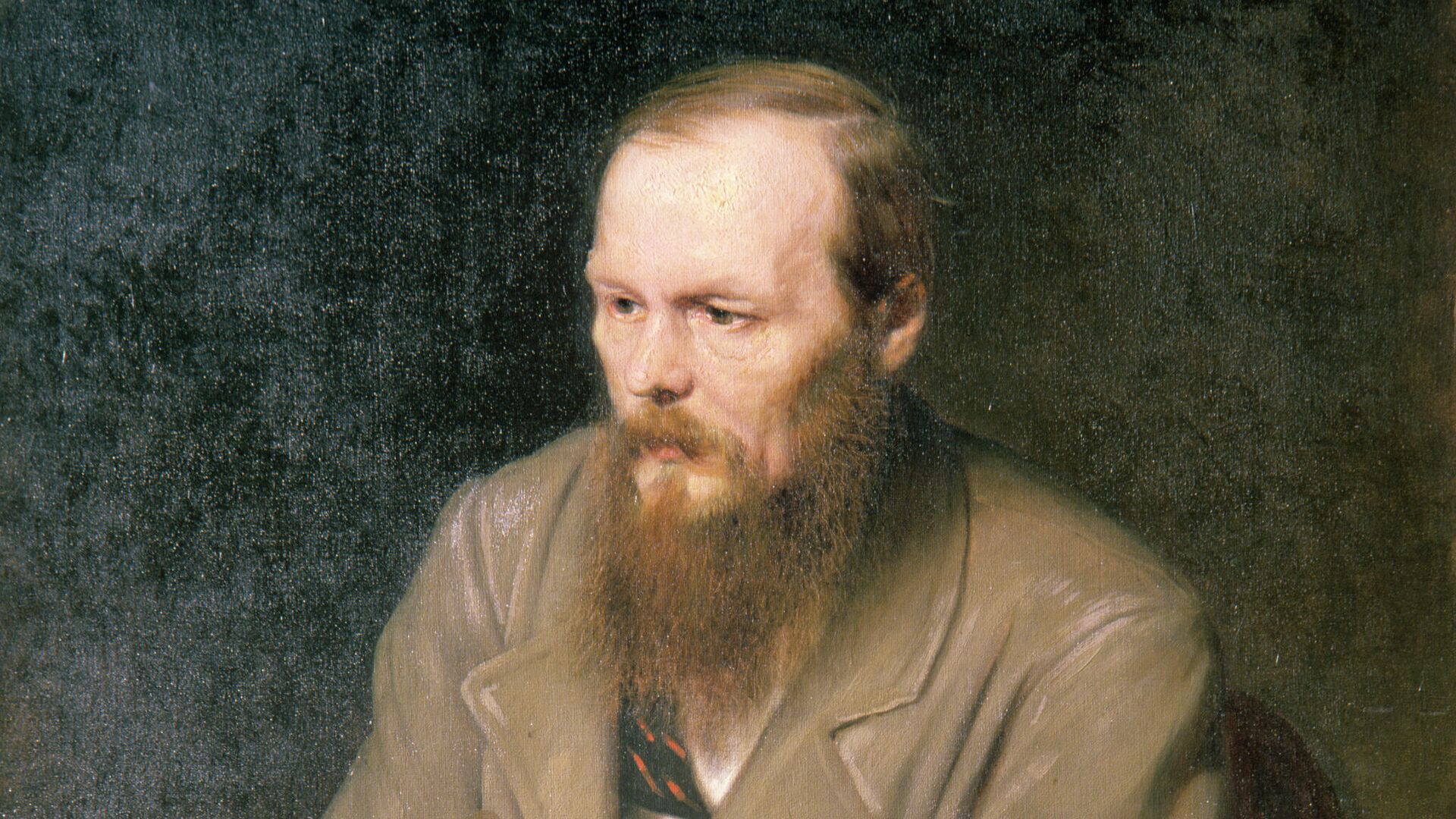
Many literary enthusiasts are familiar with Fyodor Dostoevsky’s renowned works such as “Crime and Punishment” and “The Brothers Karamazov.” However, the lesser-known yet equally compelling tale of how Dostoevsky came to write “The Gambler” is a fascinating story that sheds light on the author’s personal struggles and creative process. As Dostoevsky grappled with his own gambling addiction and financial woes, he found himself under a tight deadline to deliver a new novel to his publisher. The result was “The Gambler,” a captivating exploration of obsession, addiction, and the destructive power of gambling that showcases Dostoevsky’s unparalleled storytelling prowess and deep psychological insights. This blog post probes into the background of this iconic work and offers a glimpse into Dostoevsky’s tumultuous journey in writing “The Gambler.”
Key Takeaways:
- Inspiration from a deadline: Dostoevsky was pushed to write The Gambler within a month to fulfill a gambling debt, showcasing how pressure and constraints can sometimes lead to great creative output.
- Personal connection: The novel is influenced by Dostoevsky’s own gambling addiction, providing a raw and authentic portrayal of the destructive nature of gambling and addiction.
- Artistic triumph under duress: Despite the challenging circumstances surrounding its creation, The Gambler is hailed as a masterpiece, highlighting Dostoevsky’s ability to transform personal struggles into enduring works of literature.
Dostoevsky’s Inspiration for “The Gambler”
Personal experiences with gambling
One of the central themes in Dostoevsky’s novel “The Gambler” is the author’s personal experiences with gambling. Dostoevsky was known to have a passionate and tumultuous relationship with gambling throughout his life, often leading to significant financial losses and emotional distress.
Financial pressures and deadlines
On top of his personal struggles with gambling, Dostoevsky also faced severe financial pressures and tight deadlines when he decided to write “The Gambler”. The author was in a desperate situation, as he had signed a contract that stipulated he would deliver a new novel within a short timeframe or else risk losing the rights to his works.
Dostoevsky’s precarious financial situation was further exacerbated by his own gambling habits, which often left him in dire straits. In a race against time, and with the looming threat of financial ruin, Dostoevsky found himself under immense pressure to not only come up with a compelling story but also to complete it within the strict confines of his contract.
Personal experiences and external pressures intertwined in Dostoevsky’s life, providing the perfect backdrop for the creation of “The Gambler” and adding a layer of authenticity to the novel’s portrayal of the highs and lows of the gambling world.
The Creative Process
It Do you think it’s a true story that Dostoevsky started writing …
The writing marathon at Saxon Les Bains
The creative process for Dostoevsky during the writing of “The Gambler” was intense and fueled by a sense of urgency. It is said that he initiateed on a relentless writing marathon while staying in the resort town of Saxon Les Bains. This period of intense literary output was spurred by his dire need to complete the novel in order to settle his gambling debts and regain financial stability.
Grigorievna Role of stenographer Anna Grigorievna Snitkina
Grigorievna Anna Snitkina played a crucial role in Dostoevsky’s creative process during the writing of “The Gambler.” As his stenographer, she diligently transcribed his dictations, allowing him to focus solely on the narrative. Her support and dedication helped Dostoevsky overcome the challenges he faced during this tumultuous period in his life.
Saxon Les Bains served as a backdrop for Dostoevsky’s intense writing sessions, providing a quiet and contemplative environment where he could immerse himself in his work. The scenic beauty and tranquil surroundings of the resort town likely contributed to his creative inspiration and allowed him to channel his thoughts and emotions into the characters and plot of “The Gambler.”
Main Themes and Characters
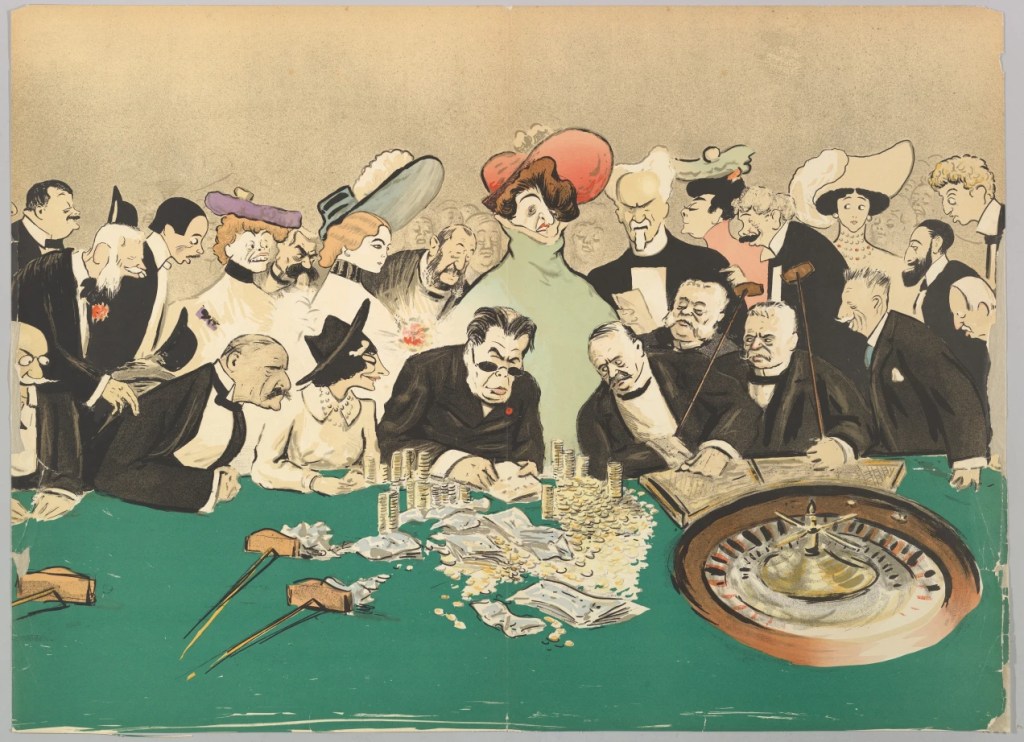
Your exploration of The Gambler (novel) probes into the intricate themes and complex characters crafted by Fyodor Dostoevsky.
Analysis of the protagonist, Alexei Ivanovich
One of the central figures in ‘The Gambler’ is Alexei Ivanovich, a young tutor who finds himself entangled in the world of gambling. He represents the internal conflict between rationality and impulse, as well as the struggles of self-control and addiction.
Exploring the motif of addiction
The motif of addiction in ‘The Gambler’ is a powerful and recurring theme that underscores the destructive nature of compulsive behavior. It serves as a metaphor for the characters’ emotional turmoil and existential crises, showcasing the consequences of succumbing to one’s vices.
Analysis
Delving deeper into the motif of addiction reveals Dostoevsky’s profound insights into human nature and society. Through the characters’ experiences with gambling and other addictive behaviors, the author sheds light on the darker aspects of the human psyche, illustrating the complexities of desire and the pursuit of fulfillment.
Reception and Legacy
Critical reception at the time of publication
One of the most controversial aspects of Dostoevsky’s “The Gambler” was its depiction of the protagonist, Alexei Ivanovich, and his struggles with gambling addiction. Critics at the time were divided in their opinions, with some praising Dostoevsky’s raw and intense portrayal of human weakness, while others criticized the novel for its bleak and pessimistic view of society.
Influence on modern literature and culture
Influence: This novella has had a lasting impact on modern literature and culture, particularly in its exploration of themes such as addiction, greed, and the destructive nature of gambling. Many writers and filmmakers have drawn inspiration from “The Gambler” in their own works, reflecting the enduring relevance of Dostoevsky’s insights into the darker aspects of human nature.
To wrap up
The story of Dostoevsky’s experience writing The Gambler offers a fascinating glimpse into the inner turmoil and creative process of one of the greatest writers in Russian literature. Through his own struggles with gambling addiction and financial troubles, Dostoevsky was able to create a timeless work that explores into themes of obsession, fate, and the complexities of human nature. The parallels between the protagonist Alexei and Dostoevsky himself add an extra layer of depth to the narrative, showcasing the author’s ability to draw from personal experiences to create compelling characters and stories. Overall, Dostoevsky’s story of writing The Gambler serves as a testament to the power of creativity in overcoming personal demons and transforming struggles into art.
FAQ
Q: Who wrote The Gambler and what is it about?
A: The Gambler was written by Fyodor Dostoevsky, a renowned Russian author. It is a semi-autobiographical novel that explores themes of addiction, gambling, and the complexities of human nature.
Q: What inspired Dostoevsky to write The Gambler?
A: Dostoevsky wrote The Gambler in a hurry to pay off his own gambling debts. He was under a strict deadline and facing financial ruin if he didn’t deliver the manuscript on time. This personal experience with the destructive nature of gambling heavily influenced the themes and characters in the novel.
Q: How did The Gambler impact Dostoevsky’s writing career?
A: The Gambler was not only a critical and commercial success, but it also marked a turning point in Dostoevsky’s writing career. The novel showcased his unique style and deep psychological insights, setting the stage for his later masterpieces like Crime and Punishment and The Brothers Karamazov.
