


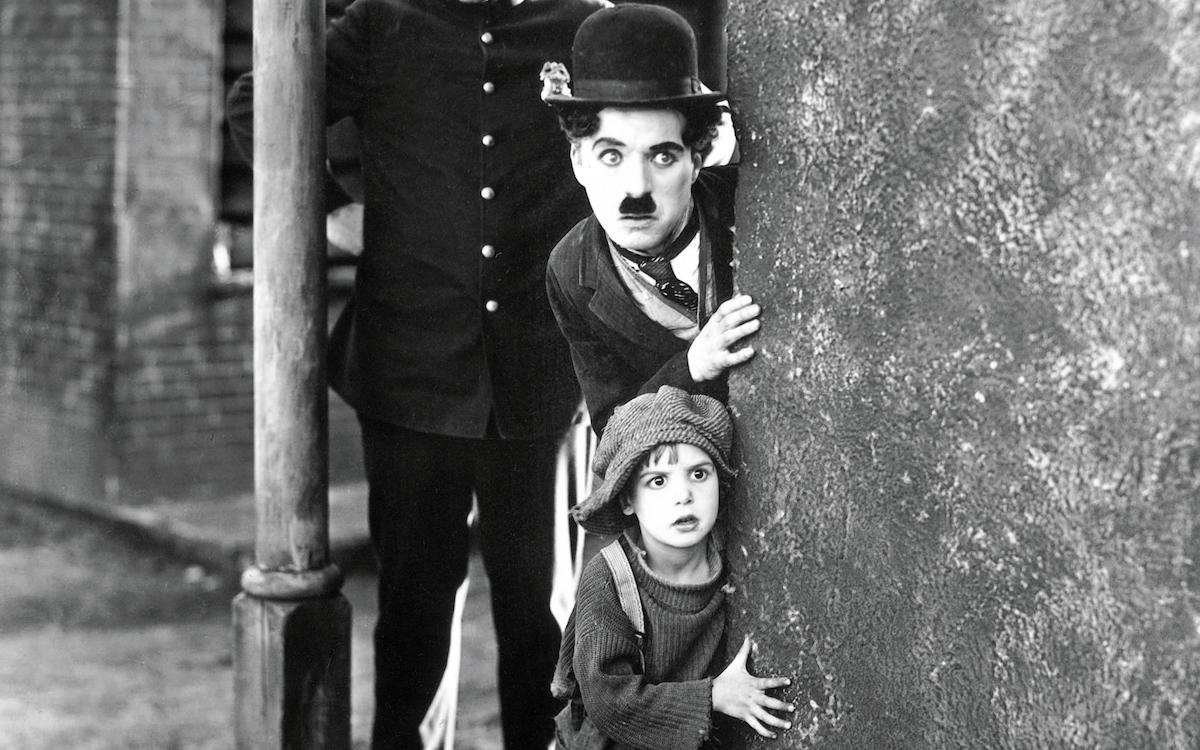
Father of silent film and comedy legend, Charlie Chaplin, continues to captivate audiences worldwide with his iconic performances. But have you ever considered the possibility that he could be the father of a different kind of art form – performance art? In this article, we will explore Chaplin’s innovative techniques and enduring influence on modern performers, inviting you to ponder whether his genius extends beyond the silver screen into performance art.
Key Takeaways:
- Early Influence: Charlie Chaplin is considered one of the pioneers in blending comedy with social commentary, laying the foundation for performance art.
- Innovative Approach: Chaplin’s use of physicality, mime, and storytelling through actions without the need for words showcases his innovative approach to performance art.
- Social Critique: Many of Chaplin’s works, such as “Modern Times” and “The Great Dictator,” used humor to satirize societal issues, making a powerful statement through performance.
- Emotional Connection: Chaplin’s ability to evoke a range of emotions from his audience, from laughter to tears, demonstrates the power of performance art in engaging and connecting with viewers.
- Legacy: While Chaplin may not have been explicitly labeled as a performance artist during his time, his impact on the art form is undeniable, inspiring generations of performers to use their craft as a means of storytelling and social commentary.
The Birth of Performance Art
Defining Performance Art
An crucial starting point to understanding the roots of performance art is to distinguish it from traditional forms of theater and visual art. Performance art is characterized by its live nature, where the artist’s actions or presence become the medium of artistic expression. It often blurs the lines between various art forms, incorporating elements of theater, dance, music, and visual arts into a unique and unconventional presentation.
Early Experimentation in the Late 19th and Early 20th Centuries
Performance art as we know it today has roots in the avant-garde movements of the late 19th and early 20th centuries. Artists during this time began to challenge conventional artistic practices and sought new ways to engage with their audiences. Experimentation with live performances, happenings, and actions that were not confined to traditional art spaces marked the beginnings of what would later be recognized as performance art.
Centuries before performance art gained its official recognition, artists were already pushing boundaries and exploring unconventional ways to communicate their ideas. From the Dadaists’ absurd and provocative performances to the Surrealists’ exploration of the unconscious mind through live actions, the early 20th century was a fertile ground for the germination of what would become the rich and diverse field of performance art.
Charlie Chaplin: A Pioneering Figure
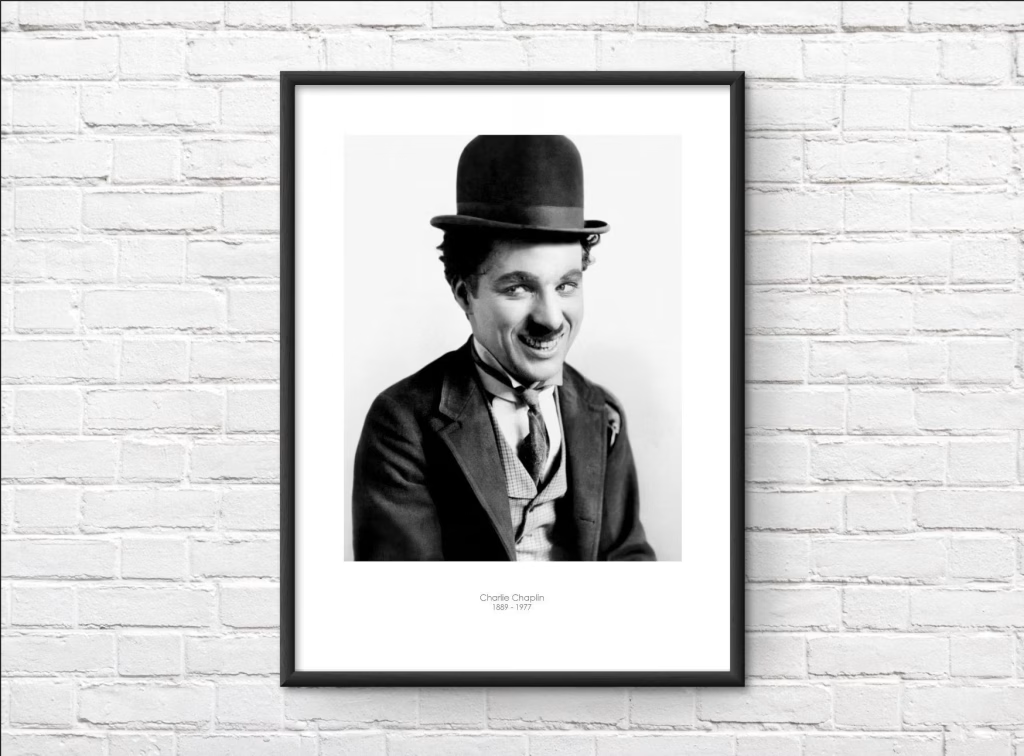
It’s undeniable that Charlie Chaplin was a pioneering figure in the world of entertainment. His innovative approach to storytelling and performance continues to captivate audiences worldwide. As you examine into his life and work, you’ll discover how Chaplin’s early career laid the foundation for what would later be recognized as performance art.
Chaplin’s Early Career and Experimentation with Silent Film
Chaplin began his career in the era of silent film, where he honed his craft as a performer and filmmaker. His early experiments with physical comedy, nuanced facial expressions, and storytelling without words set him apart from his contemporaries. By pushing the boundaries of what was possible in silent cinema, Chaplin paved the way for a new form of artistic expression that transcended language barriers.
The Tramp Character: A Proto-Performance Artist?
Artist Charlie Chaplin’s most iconic persona, the Tramp, is a character that embodies the essence of performance art. Through the Tramp, Chaplin was able to explore themes of social critique, empathy, and resilience in a way that resonated with audiences across different cultures and generations. The Tramp’s physicality, costume, and mannerisms all contributed to the character’s status as a timeless symbol of the human experience.
Chaplin’s Influence on Performance Art
Once again, examining Charlie Chaplin’s impact on performance art reveals the depth of his influence. In the book Charlie Chaplin vs. America: When Art, Sex, and Politics …, the intersection of Chaplin’s work with societal norms is explored, showcasing how his art challenged and transcended boundaries in a politically charged environment.
The Intersection of Theater and Film
Influence can be seen in the seamless blending of theater and film in Chaplin’s work. Chaplin’s performances not only pushed the boundaries of what was considered acceptable on-screen but also brought a theatricality and physicality to his acting that resonated deeply with audiences. His ability to convey complex emotions without uttering a single word demonstrated a profound understanding of the power of performance.
The Rise of Avant-Garde and Experimental Art
AvantGarde
Chaplin’s innovative approach to storytelling and performance laid the groundwork for the rise of avant-garde and experimental art forms. By challenging traditional narrative structures and embracing the unconventional, Chaplin paved the way for artists to explore new ways of expressing themselves. The daring nature of his work encouraged future generations to push boundaries and defy expectations, shaping the evolution of performance art as we know it today.
Theater
Chaplin’s influence on theater extended beyond just film. His iconic character, the Tramp, became a symbol of resilience and defiance, inspiring countless performers to bring their own unique flair to the stage. In embracing vulnerability, humor, and humanity, Chaplin created a template for future generations of performers to connect with audiences on a deeply emotional level.
Chaplin’s Innovative Storytelling Techniques
Many consider Charlie Chaplin to be a pioneer in storytelling through silent cinema. His ability to convey complex narratives without the use of words was truly revolutionary.
The Use of Mime and Physical Comedy
Mime was a key element in Chaplin’s storytelling arsenal. Through exaggerated movements and facial expressions, he was able to communicate emotions, actions, and even entire plotlines to the audience. His mastery of physical comedy added layers of depth and hilarity to his performances, captivating audiences worldwide.
Social Commentary through Satire and Irony
An astute observer of society, Chaplin used his films to provide social commentary through satire and irony. His iconic character, the Tramp, often found himself in absurd and comical situations that reflected the struggles of the working class during the early 20th century. Chaplin cleverly used humor to shed light on issues such as poverty, inequality, and the dehumanizing effects of industrialization.
To truly appreciate the brilliance of Chaplin’s social commentary, one must look beyond the laughter and investigate into the underlying messages woven throughout his films. Each comedic moment served a dual purpose, entertaining audiences while also prompting reflection on the human condition and societal norms of the time.
The Legacy of Chaplin’s Work
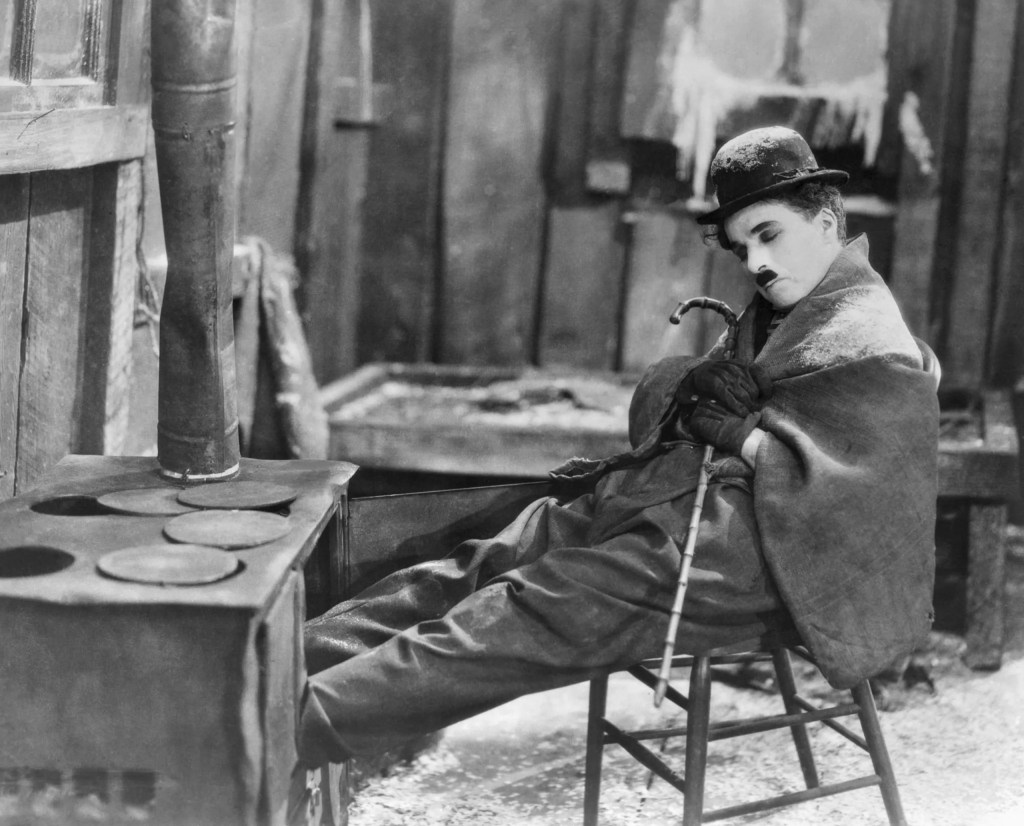
Keep exploring the legacy of Charlie Chaplin by delving into his life journey. If you want to learn more about the iconic figure that is Charlie Chaplin and how his work continues to inspire artists today, check out Charlie Chaplin: A Journey Through the Life of an Iconic ….
Inspiring Future Generations of Artists
On top of his timeless humor and unforgettable characters, Chaplin’s impact on the art world is immeasurable. He paved the way for future generations of artists by pushing boundaries and redefining the possibilities of performance. His ability to evoke deep emotions while delivering social commentary continues to resonate with artists across various mediums, inspiring them to create thought-provoking work that challenges the status quo.
The Evolution of Performance Art in the 20th Century
To understand the evolution of performance art in the 20th century, one must acknowledge Chaplin’s groundbreaking contributions. His innovative approach to blending comedy with social commentary laid the foundation for performance artists to use their craft as a means of self-expression and cultural critique. Chaplin’s ability to captivate audiences without uttering a single word revolutionized the way we perceive art and paved the way for future generations of performers to push boundaries and explore new artistic territory.
This groundbreaking evolution in performance art allowed artists to break free from conventional norms and experiment with new forms of expression. Through their work, they challenge societal norms, provoke thought, and evoke powerful emotions in their audiences.
Critiques and Counterarguments
Despite the many accolades and recognition Charlie Chaplin has received for his contributions to performance art, some critics argue that he may not be the sole contender for the title of “Father of Performance Art.” If you research into an Overview of His Life, you’ll see that while Chaplin was undoubtedly a trailblazer in combining comedy and social commentary, there were other artists who also pushed the boundaries of performance art in their time.
Alternative Candidates for the Title of “Father of Performance Art”
Alternative candidates for the title of “Father of Performance Art” could include avant-garde artists like Marcel Duchamp, who challenged traditional notions of art with his readymades, or Dadaists such as Hugo Ball, known for their radical performances and anti-establishment stance. These artists, among others, were also pioneers in redefining the boundaries of art and performance during the early 20th century.
Limitations and Criticisms of Chaplin’s Work
Any discussion about Chaplin’s status as the “Father of Performance Art” should consider the limitations and criticisms of his work. While Chaplin’s iconic character, the Tramp, resonated with audiences worldwide, some argue that his reliance on physical comedy and sentimentality could be seen as one-dimensional compared to the complexities of other performance artists.
This suggests that while Chaplin undoubtedly made significant contributions to performance art, there are valid criticisms to consider when evaluating his place in the history of this art form.
Conclusion
Considering all points, it is clear that Charlie Chaplin made significant contributions to the world of performance art with his iconic character, the Tramp. His physical comedy, storytelling through actions, and ability to evoke emotions without words have influenced many performers across different genres. While some may argue that Chaplin may not be the definitive father of performance art, there is no denying the impact he has had on the art form and the legacy he has left behind.
So, the next time you watch a silent film or a physical comedy performance, remember the influence of Charlie Chaplin and his timeless work. Whether or not you believe he is the father of performance art, there is no doubt that his artistry and innovation have paved the way for generations of performers to come.
Q: Who is Charlie Chaplin?
A: Charlie Chaplin was a legendary British actor, comedian, and filmmaker who rose to fame during the silent film era.
Q: What is performance art?
A: Performance art is a form of art in which the artist uses their body as a medium to convey a message or express their emotions to an audience.
Q: Is Charlie Chaplin considered the father of performance art?
A: While Charlie Chaplin was a trailblazer in physical comedy and storytelling through movement, he is not typically considered the father of performance art.
Q: Who is considered the father of performance art?
A: German artist and sculptor Joseph Beuys is often credited as the father of performance art for his influential and pioneering works in the medium during the 1960s and 1970s.
Q: How did Charlie Chaplin influence performance art?
A: Charlie Chaplin’s innovative use of physicality, facial expressions, and body language in his performances certainly paved the way for future artists to explore the boundaries of performance art, but his influence on the actual development of the genre is not as direct as with other artists like Joseph Beuys.
